

Happiness & Success
Achieving Happiness Through Acceptance of Life
The quest for happiness often leads to frustration, as many fail to realize that the...









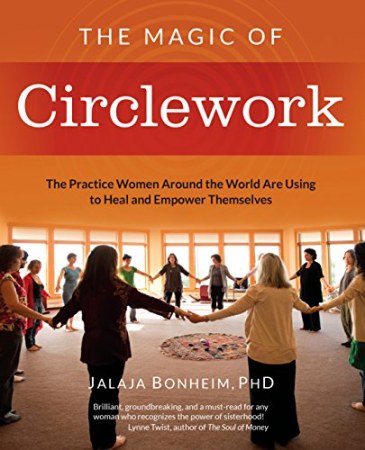
Women around the world face a complex web of internal and external barriers that hold them back from achieving their full potential in professional and personal spheres. This groundbreaking exploration of gender dynamics in the workplace and beyond offers both a candid examination of these obstacles and a practical roadmap for overcoming them through personal empowerment and systemic change.
At the heart of this work lies a powerful truth: while significant progress has been made toward gender equality, women continue to be underrepresented in leadership positions across virtually every industry and sector. Rather than accepting this reality as inevitable, readers are invited to examine both the societal structures that perpetuate inequality and the internal voices that cause women to hold themselves back. Through a combination of personal narrative, research-based insights, and actionable strategies, a compelling case emerges for why women must advocate for themselves more forcefully while simultaneously working to transform workplace cultures.
One of the most valuable aspects of this exploration is its honest examination of the "confidence gap" that affects so many women. Research reveals that women systematically underestimate their own abilities and potential, holding themselves to higher standards before seeking advancement while being more likely to attribute success to external factors rather than their own competence. Readers will discover how these internal barriers manifest in everyday situations, from hesitating to speak up in meetings to declining opportunities for fear of not being "ready." By recognizing these patterns, individuals can begin to challenge the self-limiting beliefs that have been internalized through years of subtle and not-so-subtle messaging about women's capabilities and proper roles.
Read more ▼
Helene Segura

Ted Steinberg
The quest for happiness often leads to frustration, as many fail to realize that the...

Reaching sixty can evoke complex emotions, blending relief with ongoing ambition. This...

The quest for life's purpose often leads to unsatisfactory answers. This article...

Romantic love is a complex emotion shaped by historical, cultural, and biological...

Imagine going through one of the most physically and emotionally demanding experiences...

Have you ever argued over something that wasn't actually said? From cultural differences...

Daily actions often conflict with personal beliefs due to past experiences. By utilizing...

Therapists often use dream interpretation to delve into patients' emotions, but true...