
Happiness & Success
Achieving Happiness Through Acceptance of Life
The quest for happiness often leads to frustration, as many fail to realize that the...









Imagine waking up in a world where your fundamental rights have vanished overnight. Your bank account is frozen, your job is gone, and your very identity has been stripped away, reduced to a single biological function. This dystopian vision serves as a powerful mirror reflecting the fragility of freedoms we often take for granted and the eternal vigilance required to protect them.
Set in the near-future theocratic Republic of Gilead, formerly the United States, this narrative plunges readers into a society where environmental disasters and plummeting birth rates have created a crisis of survival. The response is a totalitarian regime that has transformed women into property, categorized by their utility: those who can bear children, those who keep house, those who serve as wives to commanders, and those deemed unworthy altogether. Through the eyes of a woman forced into reproductive servitude, we experience the systematic dismantling of human dignity and the desperate strategies people employ to maintain their sense of self in the face of absolute oppression.
What makes this exploration so relevant for personal empowerment is its unflinching examination of how power operates, how quickly normalcy can shift, and how individuals find or lose themselves within oppressive systems. Readers gain profound insights into the mechanisms of control—the careful use of language to reshape reality, the isolation that prevents solidarity, the small privileges that create complicity, and the religious justifications that make cruelty seem righteous. These observations extend far beyond fiction, offering a framework for recognizing patterns of manipulation and control in our own lives and societies.
Read more ▼
Barbara Reid
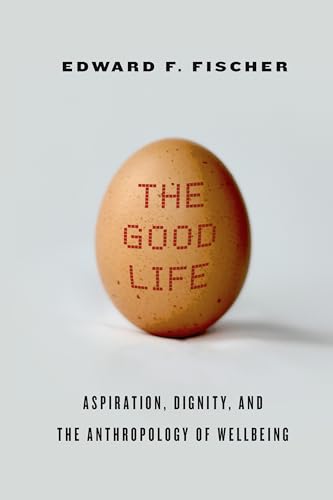
Edward F. Fischer
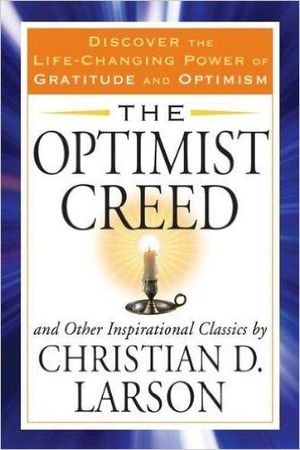
Christian Daa Larson
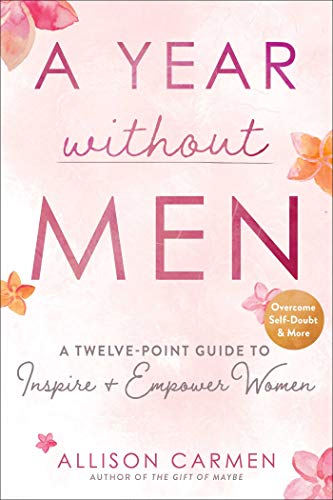
Allison Carmen
The quest for happiness often leads to frustration, as many fail to realize that the...

Reaching sixty can evoke complex emotions, blending relief with ongoing ambition. This...

The quest for life's purpose often leads to unsatisfactory answers. This article...

Imagine going through one of the most physically and emotionally demanding experiences...

Romantic love is a complex emotion shaped by historical, cultural, and biological...

Daily actions often conflict with personal beliefs due to past experiences. By utilizing...

Have you ever argued over something that wasn't actually said? From cultural differences...

Therapists often use dream interpretation to delve into patients' emotions, but true...