
Happiness & Success
Achieving Happiness Through Acceptance of Life
The quest for happiness often leads to frustration, as many fail to realize that the...









Set against the backdrop of 1920s Paris, this profound work of literary fiction offers readers an unflinching examination of vulnerability, independence, and the precarious nature of self-worth in a world structured by power imbalances. Through the intimate portrayal of a woman finding herself completely adrift after her husband's imprisonment, the narrative becomes a powerful meditation on what happens when we lose the external structures that have defined our identity and must confront who we are at our core.
The story follows a woman in her most vulnerable state, navigating the harsh realities of survival without financial resources, social connections, or the relationship that had previously anchored her existence. What emerges is a brutally honest exploration of dependency—not just economic, but emotional and psychological. Readers will find themselves confronting uncomfortable questions about autonomy, dignity, and the ways society conditions us, particularly women, to seek validation and security through others rather than from within.
For those on a journey of personal empowerment, this narrative serves as a stark cautionary tale about the dangers of outsourcing one's sense of self to external circumstances. The protagonist's descent into deeper dependency, even as she recognizes the toxicity of her situation, illuminates patterns that many readers will recognize in their own lives or in the lives of people around them. The dynamics portrayed—the seductive appeal of being "rescued," the gradual erosion of boundaries, the rationalization of situations that compromise personal integrity—offer profound insights into how power operates in intimate relationships.
Read more ▼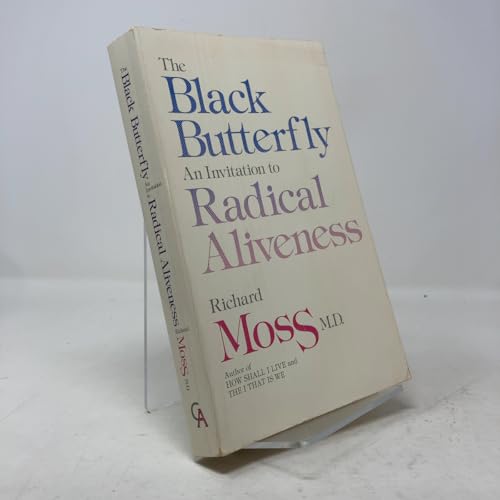
Richard M. Moss

2013: The End of Days or a New Beginning
Marie D. Jones
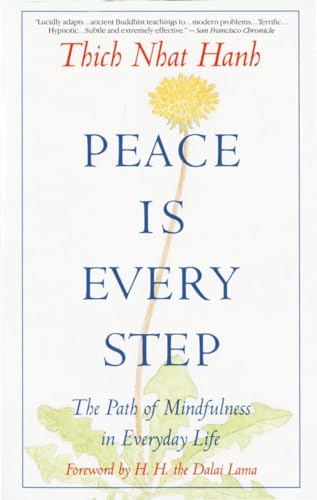
Thích Nhất Hạnh
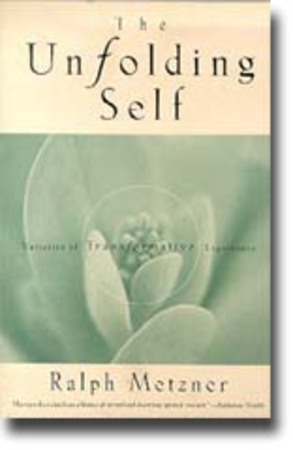
Ralph Metzner
The quest for happiness often leads to frustration, as many fail to realize that the...

Reaching sixty can evoke complex emotions, blending relief with ongoing ambition. This...

The quest for life's purpose often leads to unsatisfactory answers. This article...

Romantic love is a complex emotion shaped by historical, cultural, and biological...

Imagine going through one of the most physically and emotionally demanding experiences...

Have you ever argued over something that wasn't actually said? From cultural differences...

Daily actions often conflict with personal beliefs due to past experiences. By utilizing...

Therapists often use dream interpretation to delve into patients' emotions, but true...