
Happiness & Success
Achieving Happiness Through Acceptance of Life
The quest for happiness often leads to frustration, as many fail to realize that the...








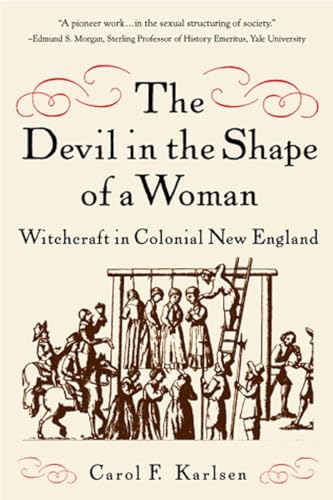
Deep within the shadowed corners of American colonial history lies a profound story about the persecution of women who dared to live differently, think independently, or simply exist outside the narrow confines of patriarchal expectations. This groundbreaking historical examination reveals how accusations of witchcraft in seventeenth-century New England were far from random acts of collective hysteria, but rather systematic attacks on women who threatened the social, economic, and religious order of their time.
Through meticulous research spanning decades of court records, personal testimonies, and community documents, readers discover that the women targeted as witches shared striking commonalities. They were often economically independent, without male protection through marriage or family. They inherited property that would traditionally pass to men. They spoke their minds, challenged authority, or practiced healing arts that positioned them as competitors to male physicians and ministers. They were midwives, herbalists, and women with intuitive knowledge passed down through generations of female wisdom keepers.
This exploration illuminates how deeply intertwined gender, power, and spiritual persecution became during a formative period of American history. The patterns revealed demonstrate that witch hunts served multiple purposes: controlling female sexuality, limiting women's economic autonomy, suppressing alternative spiritual practices, and reinforcing male dominance in both the household and the public sphere. Women who exhibited independence, assertiveness, or non-conformity found themselves vulnerable to accusations that could result in imprisonment, public humiliation, or execution.
Read more ▼
Patricia L. Garfield
Julie Tallard Johnson
Lisa K.
Bruce Scofield
The quest for happiness often leads to frustration, as many fail to realize that the...

Reaching sixty can evoke complex emotions, blending relief with ongoing ambition. This...

The quest for life's purpose often leads to unsatisfactory answers. This article...

Romantic love is a complex emotion shaped by historical, cultural, and biological...

Imagine going through one of the most physically and emotionally demanding experiences...

Daily actions often conflict with personal beliefs due to past experiences. By utilizing...

Have you ever argued over something that wasn't actually said? From cultural differences...

Therapists often use dream interpretation to delve into patients' emotions, but true...