
Happiness & Success
Achieving Happiness Through Acceptance of Life
The quest for happiness often leads to frustration, as many fail to realize that the...








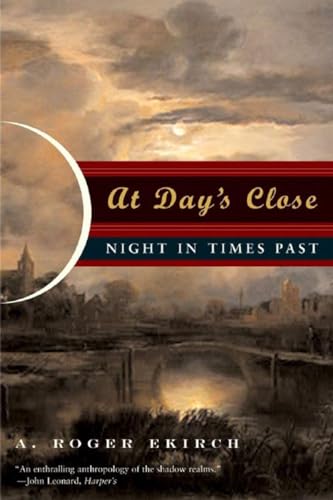
Journey into the forgotten world of nighttime before the age of electric light, and discover how fundamentally different our ancestors' relationship with darkness shaped their consciousness, communities, and inner lives. This groundbreaking historical exploration reveals how pre-industrial peoples experienced the night hours not as empty time to sleep through, but as a rich, complex realm filled with unique social customs, spiritual practices, and modes of awareness that have vanished from modern experience.
For thousands of years, nightfall marked a profound transition into an alternate reality. Without the flick of a switch to banish shadows, evening descended gradually, transforming familiar landscapes into mysterious territories. Families and communities developed elaborate rituals around this daily passage into darkness, creating intimate gatherings around hearths where storytelling, prayer, and quiet contemplation flourished. The night became a canvas for activities impossible during the demanding work of daylight hours, from whispered conversations that strengthened bonds to solitary reflection that nourished the soul.
Perhaps most fascinating is the revelation about historical sleep patterns that challenges everything modern society believes about rest. Evidence from diaries, medical texts, legal documents, and literature across Western Europe and early America reveals that people once enjoyed two distinct periods of slumber each night, separated by an hour or more of peaceful wakefulness. This interval between "first sleep" and "second sleep" was not considered insomnia or disruption, but rather a natural, treasured time when people would pray, meditate, interpret dreams, converse intimately with bed partners, or simply lie in quiet reflection. This segmented sleep pattern, which disappeared only with industrialization and artificial lighting, suggests our modern expectation of eight continuous hours may actually work against our natural rhythms.
Read more ▼
Joel Fuhrman
Doc Childre and Howard Martin with Donna Beech.

Tom Paugh

Penelope Przekop
The quest for happiness often leads to frustration, as many fail to realize that the...

Reaching sixty can evoke complex emotions, blending relief with ongoing ambition. This...

The quest for life's purpose often leads to unsatisfactory answers. This article...

Romantic love is a complex emotion shaped by historical, cultural, and biological...

Imagine going through one of the most physically and emotionally demanding experiences...

Have you ever argued over something that wasn't actually said? From cultural differences...

Daily actions often conflict with personal beliefs due to past experiences. By utilizing...

Therapists often use dream interpretation to delve into patients' emotions, but true...