
Happiness & Success
Achieving Happiness Through Acceptance of Life
The quest for happiness often leads to frustration, as many fail to realize that the...








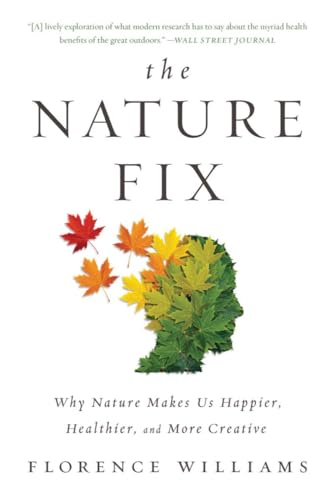
Have you ever noticed how a walk in the woods makes you feel more alive? How the sight of a mountain vista or the sound of ocean waves seems to wash away stress and mental fatigue? There's profound science behind these experiences, and a growing body of research reveals that our connection to the natural world isn't just pleasurable—it's essential to our mental, physical, and emotional wellbeing.
Drawing on cutting-edge research from scientists, psychologists, and public health experts around the globe, this eye-opening exploration takes readers on a journey from the forests of Korea to the coastlines of Scotland, from urban parks in Finland to the mountains of Utah. What emerges is a compelling case for what might be called "nature therapy"—the idea that regular, meaningful contact with the outdoors can measurably improve our health, sharpen our thinking, boost our creativity, and restore our sense of wonder and connection.
The evidence is startling. Studies show that spending time in natural settings can lower cortisol levels, reduce blood pressure, strengthen immune function, and even change our brain activity in ways that promote better mental health. Hospital patients with views of trees recover faster than those facing brick walls. Children with ADHD concentrate better after green time. Office workers report increased productivity and job satisfaction when they have access to natural light and views of vegetation. Even brief exposures—a five-minute walk among trees, a few minutes gazing at nature photographs—can trigger beneficial physiological changes.
Read more ▼
Margaret Smith Peet, Shoshana Zimmerman

Carol Peppe Hewitt

Douglas J. Mason

Know Your Blood, Know Your Health
Kristin Grayce McGary
The quest for happiness often leads to frustration, as many fail to realize that the...

Reaching sixty can evoke complex emotions, blending relief with ongoing ambition. This...

The quest for life's purpose often leads to unsatisfactory answers. This article...

Romantic love is a complex emotion shaped by historical, cultural, and biological...

Imagine going through one of the most physically and emotionally demanding experiences...

Daily actions often conflict with personal beliefs due to past experiences. By utilizing...

Have you ever argued over something that wasn't actually said? From cultural differences...

Therapists often use dream interpretation to delve into patients' emotions, but true...