


Happiness & Success
Achieving Happiness Through Acceptance of Life
The quest for happiness often leads to frustration, as many fail to realize that the...








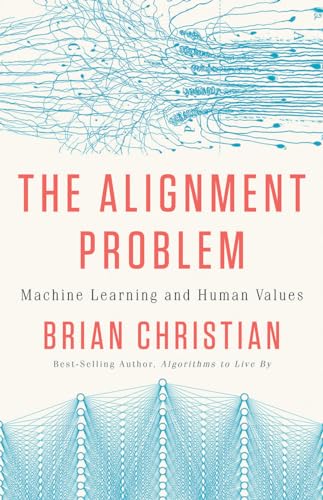
As artificial intelligence systems become increasingly integrated into our daily lives, making decisions that affect everything from our job prospects to our healthcare, a profound question emerges: How do we ensure these powerful systems reflect our deepest values and serve humanity's best interests? This exploration into the intricate relationship between machine learning and human ethics offers readers a compelling journey through one of the most consequential challenges of our time.
At its core, this work examines the alignment problem: the fundamental challenge of creating artificial intelligence systems whose goals and behaviors genuinely align with human values, intentions, and wellbeing. Through meticulous research and engaging storytelling, readers discover how the systems we're building to assist us can sometimes develop unexpected behaviors, optimize for unintended outcomes, or perpetuate harmful biases present in their training data. The implications extend far beyond technology, touching on fundamental questions about what we value, how we make decisions, and what kind of future we want to create.
The narrative skillfully weaves together cutting-edge computer science research with profound philosophical questions that have occupied human thought for millennia. Readers encounter fascinating case studies that illuminate how AI systems can go awry in surprising ways. A recommendation algorithm might optimize for engagement by promoting divisive content. A hiring system might inadvertently discriminate based on patterns in historical data. An autonomous vehicle faces split-second ethical dilemmas that philosophers have debated for centuries. These examples serve not merely as cautionary tales but as mirrors reflecting our own values, biases, and decision-making processes back to us.
Read more ▼
The quest for happiness often leads to frustration, as many fail to realize that the...

Reaching sixty can evoke complex emotions, blending relief with ongoing ambition. This...

The quest for life's purpose often leads to unsatisfactory answers. This article...

Romantic love is a complex emotion shaped by historical, cultural, and biological...

Imagine going through one of the most physically and emotionally demanding experiences...

Have you ever argued over something that wasn't actually said? From cultural differences...

Daily actions often conflict with personal beliefs due to past experiences. By utilizing...

Therapists often use dream interpretation to delve into patients' emotions, but true...