
Happiness & Success
Achieving Happiness Through Acceptance of Life
The quest for happiness often leads to frustration, as many fail to realize that the...









Depression isn't simply a chemical imbalance to be corrected with medication, nor is it just a matter of negative thinking that can be wished away. It's a complex condition that affects how we think, feel, and act in the world, creating destructive patterns that become deeply ingrained in our daily lives. This groundbreaking work offers a comprehensive, integrated approach to understanding and overcoming depression by addressing it as a disease of the self that requires active engagement and lifestyle changes rather than passive treatment.
At the heart of this approach is a fundamental truth: those struggling with depression must become active participants in their own recovery. The conventional medical model often positions patients as passive recipients of treatment, whether through medication or traditional talk therapy. While these interventions have their place, they often fail to address the behavioral patterns, thought processes, and life choices that perpetuate depressive states. Real healing requires learning new skills, changing destructive habits, and rebuilding a life that supports mental health and wellbeing.
Readers will discover how depression creates what can be described as "assumptive worlds" – distorted lenses through which everything is viewed with pessimism, hopelessness, and self-criticism. These cognitive patterns become so automatic that they feel like truth rather than symptoms of illness. The work provides concrete strategies for identifying these distortions and developing more balanced, realistic ways of thinking. Rather than simply replacing negative thoughts with positive ones, the focus is on developing genuine flexibility in perspective and learning to question the depression's narrative.
Read more ▼
Eileen Campbell

Mark Coleman
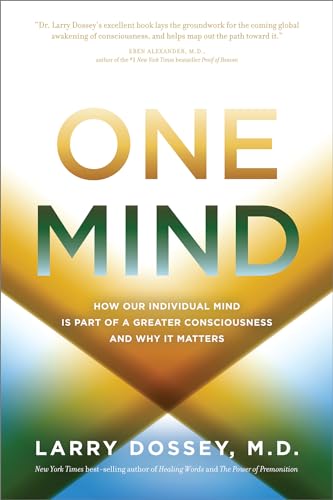
Larry Dossey
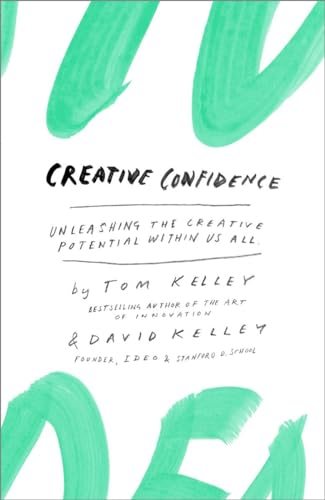
Creative Confidence: Unleashing the Creative Potential Within Us All
Tom Kelley, David Kelley, David Kelley, Tom Kelley, David Kelley
The quest for happiness often leads to frustration, as many fail to realize that the...

Reaching sixty can evoke complex emotions, blending relief with ongoing ambition. This...

The quest for life's purpose often leads to unsatisfactory answers. This article...

Romantic love is a complex emotion shaped by historical, cultural, and biological...

Imagine going through one of the most physically and emotionally demanding experiences...

Daily actions often conflict with personal beliefs due to past experiences. By utilizing...

Have you ever argued over something that wasn't actually said? From cultural differences...

Therapists often use dream interpretation to delve into patients' emotions, but true...