
Happiness & Success
Achieving Happiness Through Acceptance of Life
The quest for happiness often leads to frustration, as many fail to realize that the...








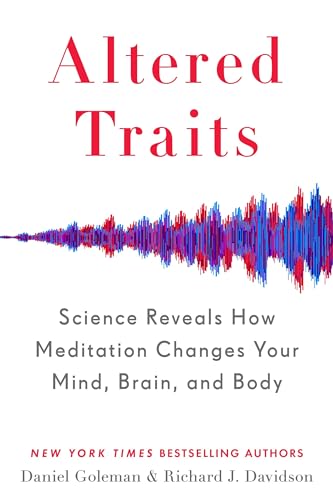
For decades, meditation has been promoted as a path to inner peace, stress reduction, and spiritual awakening. Yet amid all the promises and testimonials, a crucial question remains largely unanswered: What does science actually tell us about meditation's effects on the human mind and body? This groundbreaking work cuts through the hype, misconceptions, and wishful thinking to reveal what rigorous scientific research has discovered about contemplative practices.
Drawing on cutting-edge neuroscience and decades of research, this exploration reveals a fascinating distinction between the temporary states we experience during meditation and the lasting traits that can develop through sustained practice. While a single meditation session might leave you feeling calm and centered, these "state effects" typically fade within hours. The real transformation lies in what researchers call "altered traits"—fundamental changes in how our brains function and how we respond to life's challenges, even when we're not meditating.
The evidence presented demonstrates that consistent meditation practice can literally reshape the brain. Through neuroplasticity, regular meditators show measurable differences in brain regions associated with attention, emotional regulation, and compassion. These aren't just temporary shifts but enduring alterations that persist throughout daily life. Long-term practitioners display reduced activity in the amygdala, the brain's alarm system, meaning they experience less reactivity to stressors. They show enhanced connectivity in networks related to attention and self-awareness. Perhaps most remarkably, advanced meditators demonstrate neural signatures of compassion and concern for others that appear both spontaneously and powerfully.
Read more ▼
Nicholas Pearson

Michelle Schoffro Cook

Stuart Wilde

John F. Demartini
The quest for happiness often leads to frustration, as many fail to realize that the...

Reaching sixty can evoke complex emotions, blending relief with ongoing ambition. This...

The quest for life's purpose often leads to unsatisfactory answers. This article...

Romantic love is a complex emotion shaped by historical, cultural, and biological...

Imagine going through one of the most physically and emotionally demanding experiences...

Daily actions often conflict with personal beliefs due to past experiences. By utilizing...

Have you ever argued over something that wasn't actually said? From cultural differences...

Therapists often use dream interpretation to delve into patients' emotions, but true...