
Happiness & Success
Achieving Happiness Through Acceptance of Life
The quest for happiness often leads to frustration, as many fail to realize that the...








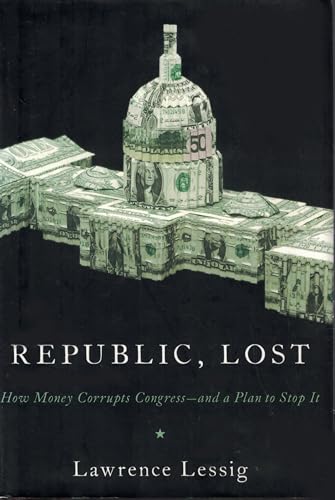
Democracy stands at a crossroads, and understanding the systemic forces that have compromised representative government has become essential for anyone seeking to reclaim their power as citizens. This groundbreaking work reveals how the fundamental relationship between voters and their representatives has been corrupted by a dependence on funding that distorts the entire political process, creating a crisis that touches every aspect of our collective and individual lives.
At its core, this exploration unveils a disturbing truth: elected officials now serve two masters. While they must appeal to voters to win elections, they must first appeal to funders to make those campaigns viable. This dual dependency has created what could be called an economy of influence, where those with resources to fund campaigns gain disproportionate access and attention. The result is a government increasingly responsive to the demands of the few rather than the needs of the many, fundamentally undermining the promise of democratic representation.
Readers will discover how this corruption operates not through traditional bribery or quid pro quo arrangements, but through a more insidious process of dependency. Campaign funding requirements have grown exponentially, forcing even well-intentioned representatives to spend enormous amounts of time courting donors rather than serving constituents or crafting thoughtful policy. This reality shapes not just who wins elections, but what issues receive attention, how legislation gets written, and ultimately whose interests government serves.
Read more ▼
Dick Van Dyke

Lex Hixon
Elizabeth Grossman
The quest for happiness often leads to frustration, as many fail to realize that the...

Reaching sixty can evoke complex emotions, blending relief with ongoing ambition. This...

The quest for life's purpose often leads to unsatisfactory answers. This article...

Imagine going through one of the most physically and emotionally demanding experiences...

Romantic love is a complex emotion shaped by historical, cultural, and biological...

Daily actions often conflict with personal beliefs due to past experiences. By utilizing...

Have you ever argued over something that wasn't actually said? From cultural differences...

Therapists often use dream interpretation to delve into patients' emotions, but true...