
Happiness & Success
Achieving Happiness Through Acceptance of Life
The quest for happiness often leads to frustration, as many fail to realize that the...








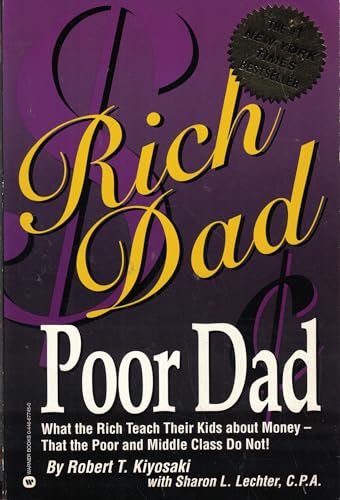
Money and financial literacy represent one of the most powerful yet overlooked paths to personal empowerment. Most people navigate their entire lives without truly understanding how wealth is created, preserved, and multiplied. This groundbreaking work challenges conventional wisdom about money, work, and success by presenting two contrasting philosophies embodied by two father figures—one highly educated but financially struggling, the other a high school dropout who became one of Hawaii's wealthiest men.
At its core, this is a narrative about breaking free from limiting beliefs about money that are passed down through generations. Through personal story and practical wisdom, readers discover why traditional advice about getting good grades, finding a secure job, and working hard for forty years may actually be a roadmap to financial mediocrity rather than prosperity. The fundamental premise challenges what most people have been taught: that a high-paying job and frugal living are the keys to wealth. Instead, a completely different approach to thinking about assets, liabilities, income, and expenses is presented.
One of the most transformative concepts introduced is the critical distinction between assets and liabilities, defined not by accounting textbooks but by cash flow. An asset puts money in your pocket; a liability takes money out. This simple yet profound reframing helps readers understand why many middle-class families struggle despite good incomes—they accumulate things they believe are assets (like expensive homes and cars) that actually drain their resources month after month. True financial intelligence means building a collection of income-generating assets that work for you, creating wealth whether you're actively working or not.
Read more ▼
Rich Rahn

Matt Taibbi
Ernest Holmes

Al Weatherhead, Al Weatherhead, Fred Feldman
The quest for happiness often leads to frustration, as many fail to realize that the...

Reaching sixty can evoke complex emotions, blending relief with ongoing ambition. This...

The quest for life's purpose often leads to unsatisfactory answers. This article...

Imagine going through one of the most physically and emotionally demanding experiences...

Romantic love is a complex emotion shaped by historical, cultural, and biological...

Daily actions often conflict with personal beliefs due to past experiences. By utilizing...

Have you ever argued over something that wasn't actually said? From cultural differences...

Therapists often use dream interpretation to delve into patients' emotions, but true...