
Happiness & Success
Achieving Happiness Through Acceptance of Life
The quest for happiness often leads to frustration, as many fail to realize that the...








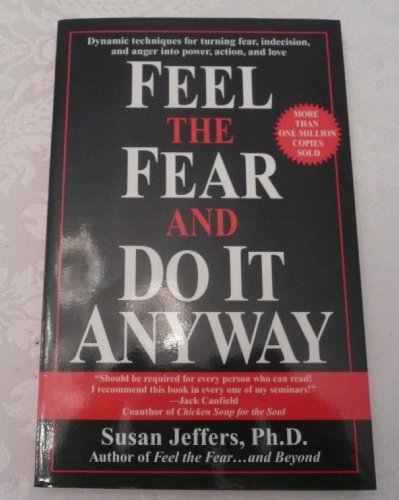
Fear stands as one of the most universal human experiences, yet it remains one of the least understood forces shaping our daily choices and long-term life trajectory. Whether it manifests as anxiety about changing careers, reluctance to end unhealthy relationships, hesitation to speak our truth, or paralysis in the face of new opportunities, fear keeps countless individuals trapped in lives far smaller than they're capable of living. This groundbreaking work revolutionizes our relationship with fear by offering a radical yet profoundly practical framework for moving forward despite our anxieties rather than waiting for them to disappear.
At the heart of this transformative approach lies a simple but powerful truth: fear is not the enemy we've been conditioned to believe it is. Rather than viewing fear as a stop sign or evidence that something is wrong, readers discover how to recognize it as a natural companion to growth and expansion. The central premise challenges conventional wisdom by asserting that feeling afraid doesn't mean we're inadequate or unprepared. Instead, fear signals that we're stretching beyond our comfort zones into territories where genuine growth occurs. This reframing alone liberates countless individuals who have spent years waiting to feel confident before taking action, only to realize that confidence follows action rather than preceding it.
The methodology presented here introduces readers to five fundamental truths about fear that shift everything. These truths dismantle common misconceptions and replace them with empowering perspectives that make forward movement possible even when anxiety persists. Understanding that fear will never completely go away as long as we continue growing provides immense relief to those who've been waiting for perfect courage. Recognizing that everyone experiences fear when facing unfamiliar territory normalizes an experience that often feels isolating and shameful.
Read more ▼
Jane Austen

Beverly Seaton
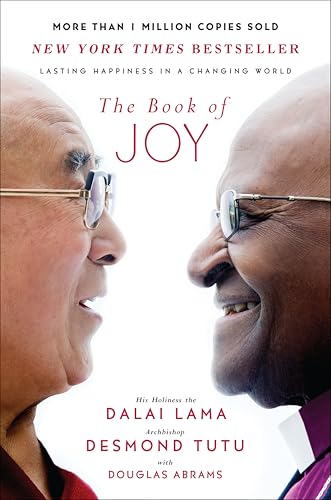
His Holiness Tenzin Gyatso the XIV Dalai Lama

Dan Millman
The quest for happiness often leads to frustration, as many fail to realize that the...

Reaching sixty can evoke complex emotions, blending relief with ongoing ambition. This...

The quest for life's purpose often leads to unsatisfactory answers. This article...

Romantic love is a complex emotion shaped by historical, cultural, and biological...

Imagine going through one of the most physically and emotionally demanding experiences...

Daily actions often conflict with personal beliefs due to past experiences. By utilizing...

Have you ever argued over something that wasn't actually said? From cultural differences...

Therapists often use dream interpretation to delve into patients' emotions, but true...