
Happiness & Success
Achieving Happiness Through Acceptance of Life
The quest for happiness often leads to frustration, as many fail to realize that the...








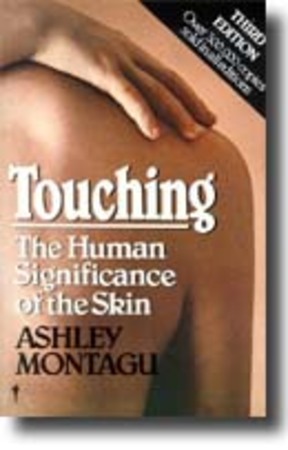
Human skin is the largest organ of the body, yet the profound importance of tactile communication and physical contact remains one of the most overlooked aspects of human development and wellbeing. This groundbreaking exploration into the science and significance of touch reveals how essential physical contact is to our survival, emotional health, and ability to form meaningful connections throughout our lives.
Drawing from extensive research in anthropology, psychology, biology, and cross-cultural studies, this work demonstrates that touch is not merely a pleasant sensation but a fundamental biological need as critical as food and shelter. From the moment of birth, the quality and quantity of tactile stimulation we receive shapes our physical development, emotional capacity, and even our ability to thrive. Studies of infants in institutions who received adequate nutrition but minimal physical contact showed alarming rates of failure to thrive, while babies who were held, stroked, and carried developed robust health and secure attachments.
The examination extends far beyond infancy to explore how touch deprivation affects people across the entire lifespan. Modern Western societies, particularly in North America, have developed into what might be called touch-phobic cultures, where physical contact outside of intimate relationships is viewed with suspicion or deemed inappropriate. This cultural prohibition against touching creates a population starved for one of the most basic human needs, contributing to increased rates of anxiety, depression, aggression, and difficulty forming intimate bonds.
Read more ▼
Muller, Wayne

Dr. Steven Gardner
Richard H. Thaler, Cass R. Sunstein
The quest for happiness often leads to frustration, as many fail to realize that the...

Reaching sixty can evoke complex emotions, blending relief with ongoing ambition. This...

The quest for life's purpose often leads to unsatisfactory answers. This article...

Romantic love is a complex emotion shaped by historical, cultural, and biological...

Imagine going through one of the most physically and emotionally demanding experiences...

Daily actions often conflict with personal beliefs due to past experiences. By utilizing...

Have you ever argued over something that wasn't actually said? From cultural differences...

Therapists often use dream interpretation to delve into patients' emotions, but true...