
Happiness & Success
Achieving Happiness Through Acceptance of Life
The quest for happiness often leads to frustration, as many fail to realize that the...








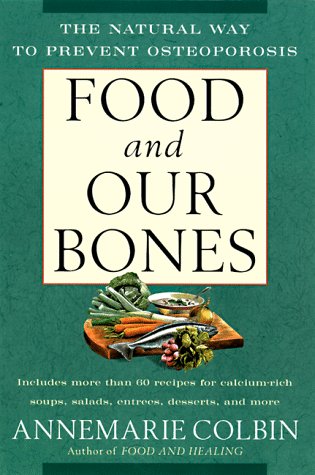
Understanding the intricate relationship between what we eat and the strength of our skeletal system opens up a revolutionary approach to bone health that goes far beyond the conventional wisdom of simply consuming more calcium. This comprehensive exploration reveals how the entire dietary picture—not just isolated nutrients—determines whether our bones remain strong and resilient throughout our lives or become increasingly fragile and prone to fracture.
The foundation of this work rests on a holistic nutritional philosophy that examines how different foods create either acidic or alkaline conditions in the body, and how these conditions directly impact bone density and integrity. When we consume foods that create acidic conditions, our bodies must buffer that acidity to maintain proper pH balance. The skeleton serves as a mineral bank, releasing calcium and other minerals to neutralize excess acidity. Over time, this continual mineral withdrawal can lead to weakened bones, regardless of how much calcium we might be consuming in supplements or dairy products.
Readers discover a paradigm-shifting perspective on osteoporosis, moving away from the simplistic "calcium deficiency" model that dominates mainstream medical thinking. Instead, a more nuanced understanding emerges: bone health depends on the complex interplay of various minerals, the body's acid-alkaline balance, hormone levels, physical activity, and the overall quality and balance of one's diet. This systems-based approach recognizes that isolated interventions rarely succeed when the underlying dietary and lifestyle patterns remain problematic.
Read more ▼
C. Norman Shealy, Caroline Myss
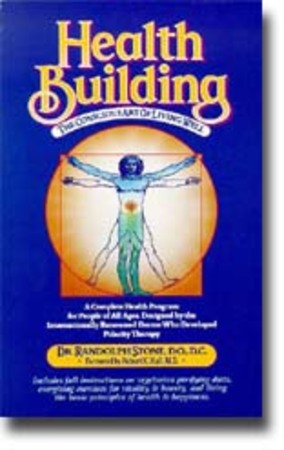
Randolph Stone

Larry Clapp
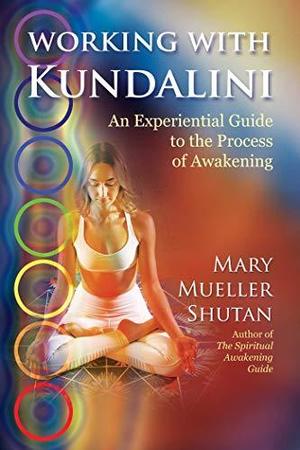
Mary Mueller Shutan
The quest for happiness often leads to frustration, as many fail to realize that the...

Reaching sixty can evoke complex emotions, blending relief with ongoing ambition. This...

The quest for life's purpose often leads to unsatisfactory answers. This article...

Romantic love is a complex emotion shaped by historical, cultural, and biological...

Imagine going through one of the most physically and emotionally demanding experiences...

Daily actions often conflict with personal beliefs due to past experiences. By utilizing...

Have you ever argued over something that wasn't actually said? From cultural differences...

Therapists often use dream interpretation to delve into patients' emotions, but true...