
Happiness & Success
Achieving Happiness Through Acceptance of Life
The quest for happiness often leads to frustration, as many fail to realize that the...








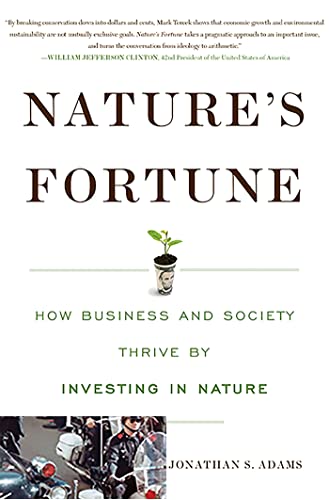
Imagine standing at the crossroads where environmental preservation meets economic prosperity, where protecting nature isn't just about moral obligation but about recognizing the invaluable services our planet provides to sustain human life and prosperity. This groundbreaking work invites readers to completely reimagine how we think about conservation, moving beyond the traditional narrative of nature versus progress toward a revolutionary understanding that protecting the natural world makes profound economic sense.
At the heart of this exploration lies a simple yet transformative concept: nature provides services worth trillions of dollars to humanity every single day. Forests purify our water, wetlands protect coastal communities from storms, insects pollinate crops that feed billions, and healthy ecosystems regulate climate patterns. These aren't merely poetic observations but quantifiable benefits that sustain our economy, health, and wellbeing. By learning to recognize and value these "ecosystem services," we can make smarter decisions that benefit both people and the planet simultaneously.
Readers will discover compelling stories from around the globe that demonstrate how this new approach to conservation is already creating positive change. From innovative partnerships between businesses and environmental organizations to communities discovering that protecting mangrove forests costs far less than building seawalls, these real-world examples illustrate how aligning economic incentives with environmental protection creates win-win solutions. The narrative takes us from corporate boardrooms to remote wilderness areas, showing how diverse stakeholders are finding common ground through the language of value and shared prosperity.
Read more ▼
Alan Seale

Jim Donovan

Dr. Timothy Johnson's oncall guide to men's health
G. Timothy Johnson

Mary Mueller Shutan
The quest for happiness often leads to frustration, as many fail to realize that the...

Reaching sixty can evoke complex emotions, blending relief with ongoing ambition. This...

The quest for life's purpose often leads to unsatisfactory answers. This article...

Imagine going through one of the most physically and emotionally demanding experiences...

Romantic love is a complex emotion shaped by historical, cultural, and biological...

Daily actions often conflict with personal beliefs due to past experiences. By utilizing...

Have you ever argued over something that wasn't actually said? From cultural differences...

Therapists often use dream interpretation to delve into patients' emotions, but true...