
Happiness & Success
Achieving Happiness Through Acceptance of Life
The quest for happiness often leads to frustration, as many fail to realize that the...








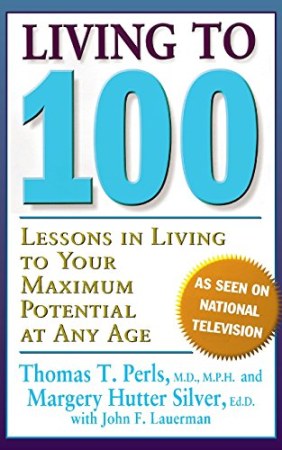
Longevity isn't simply a matter of luck or genetics. The science behind living a vibrant, active life well into your tenth decade reveals a fascinating interplay of factors that are largely within your control. Drawing from the groundbreaking New England Centenarian Study, one of the most comprehensive investigations of people who have reached age one hundred and beyond, this work illuminates the pathways to not just living longer, but living better.
What makes centenarians truly remarkable isn't just the number of years they've accumulated, but the quality of life they maintain. Contrary to popular assumptions, most people who live to one hundred aren't bedridden or incapacitated for decades. Instead, they typically remain independent and engaged well into their nineties, often experiencing relatively brief periods of disability before death. This compression of morbidity represents a paradigm shift in how we think about aging and challenges the notion that extreme longevity necessarily comes with prolonged suffering.
Through systematic research involving hundreds of centenarians and their families, patterns emerge that offer profound insights into the aging process. While genetics certainly play a role, particularly for those who reach extreme old age, the choices made throughout life prove equally significant. The research demonstrates that approximately seventy percent of how well and how long you age depends on lifestyle factors rather than hereditary ones. This empowering revelation means that taking charge of your health destiny isn't just possible—it's essential.
Read more ▼
Anodea Judith
Deepak Chopra

Daniel L. Schacter

Jay Frankston
The quest for happiness often leads to frustration, as many fail to realize that the...

Reaching sixty can evoke complex emotions, blending relief with ongoing ambition. This...

The quest for life's purpose often leads to unsatisfactory answers. This article...

Imagine going through one of the most physically and emotionally demanding experiences...

Romantic love is a complex emotion shaped by historical, cultural, and biological...

Daily actions often conflict with personal beliefs due to past experiences. By utilizing...

Have you ever argued over something that wasn't actually said? From cultural differences...

Therapists often use dream interpretation to delve into patients' emotions, but true...