
Happiness & Success
Achieving Happiness Through Acceptance of Life
The quest for happiness often leads to frustration, as many fail to realize that the...









Higher education in America has long been celebrated as the great equalizer, the pathway through which anyone with talent and determination can rise to prosperity and success. Yet beneath this cherished narrative lies a troubling reality that challenges our most fundamental beliefs about opportunity, merit, and the American Dream. An incisive examination of the modern college system reveals how our universities have transformed from engines of social mobility into mechanisms that actually amplify and perpetuate inequality across generations.
The landscape of American higher education has undergone a dramatic transformation over the past several decades, one that has profound implications for social justice and economic opportunity. What emerges from careful analysis is a system increasingly stratified between elite institutions serving the privileged and under-resourced colleges struggling to serve everyone else. This bifurcation matters immensely because education remains the primary vehicle through which Americans seek upward mobility, yet the system itself has become rigged in ways that advantage those already born into prosperity while creating obstacles for those seeking to transcend their circumstances.
Readers will discover how policy decisions made at the federal and state levels have fundamentally reshaped who has access to quality education and what that education costs. The shift from grants to loans, the defunding of public universities, and the rising importance of expensive test preparation and application consulting have created barriers that disproportionately affect students from working-class and middle-class families. Meanwhile, wealthy students benefit from legacy admissions, well-funded high schools, extensive extracurricular opportunities, and social networks that provide insider knowledge about navigating the complex college application process.
Read more ▼
Margaret Wolff

Brian M. Barry
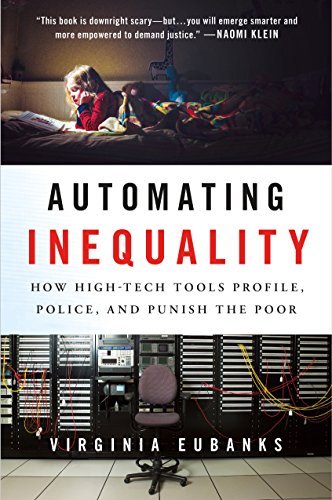
Virginia Eubanks, Eubanks
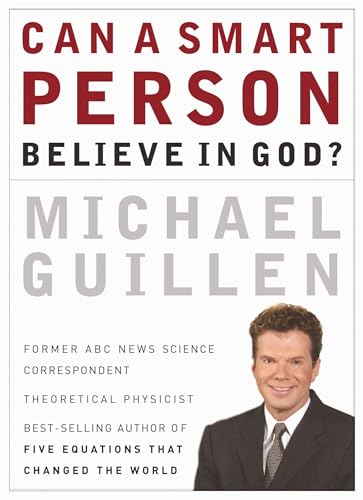
Can a Smart Person Believe in God?
Michael Guillen
The quest for happiness often leads to frustration, as many fail to realize that the...

Reaching sixty can evoke complex emotions, blending relief with ongoing ambition. This...

The quest for life's purpose often leads to unsatisfactory answers. This article...

Imagine going through one of the most physically and emotionally demanding experiences...

Romantic love is a complex emotion shaped by historical, cultural, and biological...

Daily actions often conflict with personal beliefs due to past experiences. By utilizing...

Have you ever argued over something that wasn't actually said? From cultural differences...

Therapists often use dream interpretation to delve into patients' emotions, but true...