
Happiness & Success
Achieving Happiness Through Acceptance of Life
The quest for happiness often leads to frustration, as many fail to realize that the...








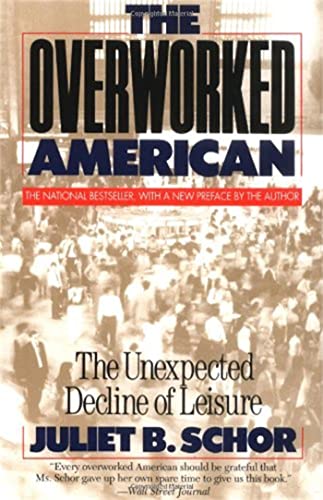
Americans face a paradox that touches every aspect of modern life: despite living in one of the world's wealthiest nations with access to unprecedented technological advancement, people find themselves working longer hours, enjoying less leisure time, and feeling more pressured than previous generations. This groundbreaking examination challenges the widespread assumption that progress naturally leads to more free time and explores why the promise of technology liberating us from endless toil has remained largely unfulfilled.
Through meticulous research and compelling economic analysis, readers discover that the average American works nearly a full month more per year than they did two decades earlier. This trend runs counter to predictions made throughout the twentieth century that automation and increased productivity would usher in an era of abundance and leisure. Instead, work has intensified, vacation time has shrunk, and the boundaries between professional and personal life have become increasingly blurred.
The exploration delves deep into the historical context of work in America, comparing contemporary patterns with those of medieval peasants, who surprisingly enjoyed more time off than many modern workers. This startling comparison illuminates how cultural values, economic structures, and employer practices have conspired to create what has become a treadmill of overwork. The analysis reveals how consumer culture and the pressure to maintain ever-rising standards of living trap families in cycles of work and spend, making it nearly impossible to step back and reconsider priorities.
Read more ▼
Neal Barnard
Salt Sugar Fat: How the Food Giants Hooked Us
Michael Moss

David R. Montgomery, David R. Montgomery, Anne Biklé
Douglas J. Mason
The quest for happiness often leads to frustration, as many fail to realize that the...

Reaching sixty can evoke complex emotions, blending relief with ongoing ambition. This...

The quest for life's purpose often leads to unsatisfactory answers. This article...

Romantic love is a complex emotion shaped by historical, cultural, and biological...

Imagine going through one of the most physically and emotionally demanding experiences...

Have you ever argued over something that wasn't actually said? From cultural differences...

Daily actions often conflict with personal beliefs due to past experiences. By utilizing...

Therapists often use dream interpretation to delve into patients' emotions, but true...