
Happiness & Success
Achieving Happiness Through Acceptance of Life
The quest for happiness often leads to frustration, as many fail to realize that the...








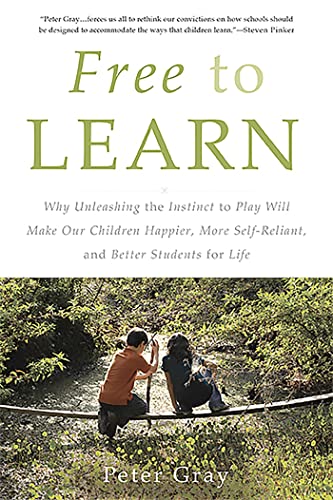
What if the key to raising happier, more capable, and better-adjusted children lies not in more structure, supervision, and educational intervention, but in stepping back and allowing natural learning instincts to flourish? This groundbreaking exploration challenges nearly everything modern parents and educators have come to believe about childhood development, offering a radically different vision rooted in evolutionary biology, anthropological research, and decades of careful observation.
At its heart lies a simple yet revolutionary premise: children are biologically designed to educate themselves through play and exploration. For hundreds of thousands of years, young humans learned everything they needed to know without formal instruction, standardized curricula, or adult-directed activities. They watched, imitated, experimented, and played—developing not just practical skills but also emotional resilience, social competence, and creative problem-solving abilities. This innate drive to learn through self-directed activity remains as powerful today as it was in our ancestral past, yet our modern approach to childhood systematically suppresses it.
The evidence presented draws from hunter-gatherer societies where children grow up with remarkable freedom yet develop into highly competent adults, from alternative educational settings where student-directed learning produces extraordinary outcomes, and from psychological research documenting the costs of our current approach. When children spend their days in adult-controlled environments, following predetermined schedules and working toward externally imposed goals, something essential is lost. The natural joy of learning transforms into drudgery. Anxiety and depression rates soar. Young people become increasingly dependent on external motivation and validation rather than developing internal drive and self-confidence.
Read more ▼
Elizabeth Gilbert
Peter Ralston
Jack Angelo
Linda Carroll
The quest for happiness often leads to frustration, as many fail to realize that the...

Reaching sixty can evoke complex emotions, blending relief with ongoing ambition. This...

The quest for life's purpose often leads to unsatisfactory answers. This article...

Romantic love is a complex emotion shaped by historical, cultural, and biological...

Imagine going through one of the most physically and emotionally demanding experiences...

Daily actions often conflict with personal beliefs due to past experiences. By utilizing...

Have you ever argued over something that wasn't actually said? From cultural differences...

Therapists often use dream interpretation to delve into patients' emotions, but true...