

Happiness & Success
Achieving Happiness Through Acceptance of Life
The quest for happiness often leads to frustration, as many fail to realize that the...








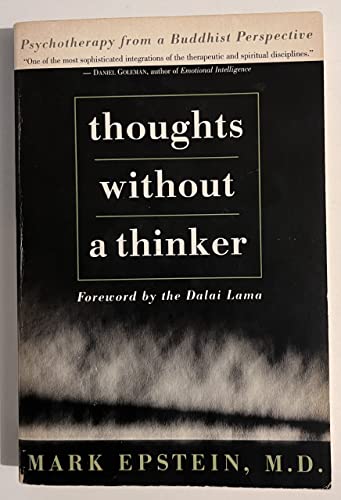
At the intersection of Eastern Buddhist philosophy and Western psychotherapy lies a profound exploration of human consciousness that challenges our most basic assumptions about the nature of self. This groundbreaking work bridges two seemingly disparate traditions, demonstrating how ancient meditation practices and modern psychological understanding can inform and enhance each other in remarkable ways.
The central premise revolves around a paradox that has puzzled spiritual seekers and therapists alike: if Buddhist meditation reveals that there is no permanent, unchanging self, how can Western psychology, which depends on strengthening the ego, offer genuine healing? Rather than viewing these approaches as contradictory, readers discover how they actually complement each other, creating a more complete path toward emotional freedom and psychological well-being.
Drawing from extensive clinical experience as a practicing psychiatrist and dedicated Buddhist practitioner, the narrative weaves together case studies, personal experiences, and teachings from both Freudian psychoanalysis and Theravada Buddhism. The exploration demonstrates how meditation practice can deepen psychotherapeutic work, while psychological insights can help practitioners navigate the challenges that arise during spiritual practice. This synthesis offers a middle way that honors both the reality of psychological wounds that need healing and the liberating insight that our sense of a solid, permanent self is ultimately an illusion.
Read more ▼
Jonathan Parker

Scotty McLennan
Doriel Hall
The quest for happiness often leads to frustration, as many fail to realize that the...

Reaching sixty can evoke complex emotions, blending relief with ongoing ambition. This...

The quest for life's purpose often leads to unsatisfactory answers. This article...

Romantic love is a complex emotion shaped by historical, cultural, and biological...

Imagine going through one of the most physically and emotionally demanding experiences...

Daily actions often conflict with personal beliefs due to past experiences. By utilizing...

Have you ever argued over something that wasn't actually said? From cultural differences...

Therapists often use dream interpretation to delve into patients' emotions, but true...