
Happiness & Success
Achieving Happiness Through Acceptance of Life
The quest for happiness often leads to frustration, as many fail to realize that the...








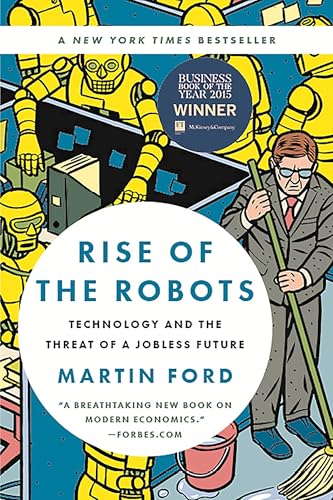
Technology has always transformed the workplace, but the accelerating pace of automation and artificial intelligence is creating an unprecedented shift that demands our immediate attention and understanding. The convergence of advanced robotics, machine learning, and sophisticated algorithms is fundamentally reshaping not just individual jobs, but entire industries and the very foundation of our economic system.
Deep dive into one of the most critical challenges facing modern society: the rapid displacement of human workers across virtually every sector of the economy. Unlike previous technological revolutions that created new opportunities even as they eliminated old jobs, the current wave of automation threatens to be fundamentally different. White-collar professionals, once considered immune to technological displacement, now find themselves just as vulnerable as factory workers. Lawyers, journalists, financial analysts, and even healthcare professionals are discovering that sophisticated software can perform many of their duties faster, more accurately, and at a fraction of the cost.
Discover comprehensive analysis of how machine intelligence is moving beyond routine, repetitive tasks to take on work requiring judgment, pattern recognition, and even creative thinking. The implications extend far beyond individual career concerns. As automation accelerates, the fundamental relationship between productivity, employment, and income is breaking down. Companies are achieving unprecedented profits with fewer employees, while a growing segment of the population struggles to find meaningful work that provides economic security.
Read more ▼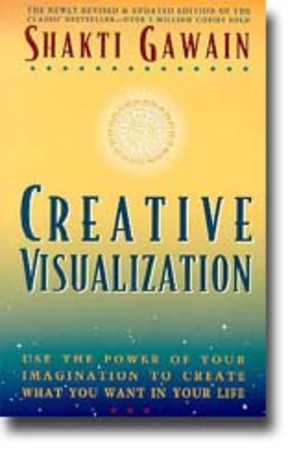
Shakti Gawain, Marci Shimoff
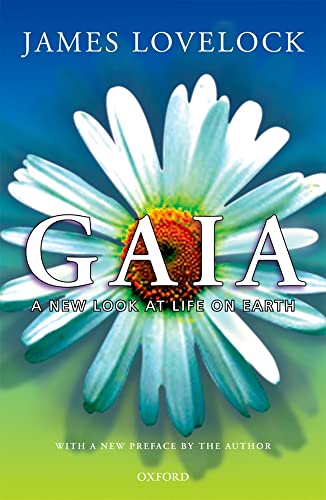
James Lovelock, Christel Rollinat, Paul Couturiau
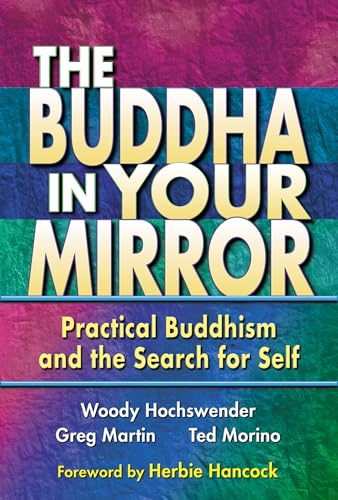
Woody Hochswender, Greg Martin, Ted Morino

Rachel Maddow
The quest for happiness often leads to frustration, as many fail to realize that the...

Reaching sixty can evoke complex emotions, blending relief with ongoing ambition. This...

The quest for life's purpose often leads to unsatisfactory answers. This article...

Imagine going through one of the most physically and emotionally demanding experiences...

Romantic love is a complex emotion shaped by historical, cultural, and biological...

Daily actions often conflict with personal beliefs due to past experiences. By utilizing...

Have you ever argued over something that wasn't actually said? From cultural differences...

Therapists often use dream interpretation to delve into patients' emotions, but true...