

Happiness & Success
Achieving Happiness Through Acceptance of Life
The quest for happiness often leads to frustration, as many fail to realize that the...








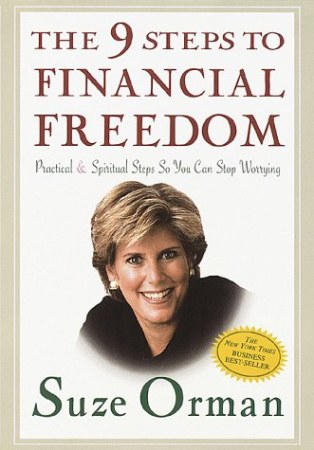
Money carries far more than numerical value in our lives. It represents security, freedom, choice, and power. Yet for most people, financial matters remain shrouded in fear, shame, and confusion—emotions that prevent us from achieving true independence and participating fully in shaping our communities and our democracy. This groundbreaking guide approaches wealth-building not merely as an exercise in accounting, but as a spiritual and emotional journey toward personal liberation and civic engagement.
The foundation rests on a revolutionary premise: financial freedom begins with examining our deepest beliefs, fears, and childhood experiences around money. Before spreadsheets and investment strategies comes the essential work of understanding why we make the financial choices we do. Why do we overspend? Why do we avoid looking at bank statements? Why does discussing money create such anxiety? These questions lead to profound self-discovery, revealing how our relationship with money mirrors our relationship with power, self-worth, and our ability to effect change in the world.
The pathway presented here consists of nine progressive steps, each building upon the last, creating a comprehensive transformation that touches every aspect of financial life. Readers journey from confronting past financial mistakes and releasing shame, through practical matters like creating safety nets and eliminating debt, to ultimately achieving the kind of financial stability that allows for generous giving and meaningful participation in causes that matter. Each step addresses both the practical mechanics and the emotional underpinnings of financial decisions.
Read more ▼
Smedley D. Butler

Jason Stanley

Brandon Bays
The quest for happiness often leads to frustration, as many fail to realize that the...

Reaching sixty can evoke complex emotions, blending relief with ongoing ambition. This...

The quest for life's purpose often leads to unsatisfactory answers. This article...

Romantic love is a complex emotion shaped by historical, cultural, and biological...

Imagine going through one of the most physically and emotionally demanding experiences...

Daily actions often conflict with personal beliefs due to past experiences. By utilizing...

Have you ever argued over something that wasn't actually said? From cultural differences...

Therapists often use dream interpretation to delve into patients' emotions, but true...