
Happiness & Success
Achieving Happiness Through Acceptance of Life
The quest for happiness often leads to frustration, as many fail to realize that the...








 A new study with worms may help explain how diseases like Alzheimer’s and Parkinson’s spread in the brain. Sometimes when neurons dispose of toxic waste, neighboring cells get sick.
 When we feel criticized (by others or by ourselves), it is often the psoas that reacts by contracting or hardening and becoming rigid. Taoists refer to the psoas as the muscle of the soul because of its connection to our deepest essence and core identity.
 Are you stressed-out, overweight, overworked, uninspired, or plagued by negative emotions? Don't worry — anyone can achieve greater health and happiness by trying out some new behaviors and attitudes, and working at it step-by-step. Here are nine proven ways to get there.
 There have been lots of studies on marriage that focus on younger women, so researchers wanted to take a closer look at the health effects of marriage and divorce on older women.
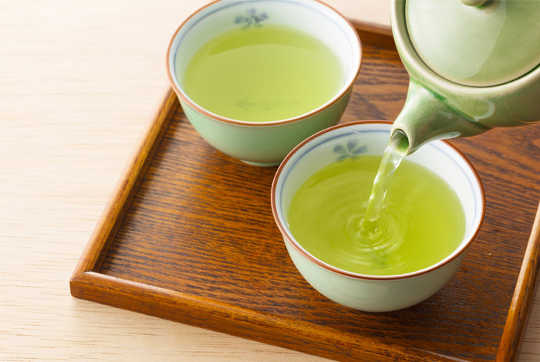 Scientists are investigating a compound found in green tea for often-fatal medical complications associated with bone-marrow disorders.
 We all know and hear a lot about postnatal depression, but what about depression and anxiety during pregnancy?
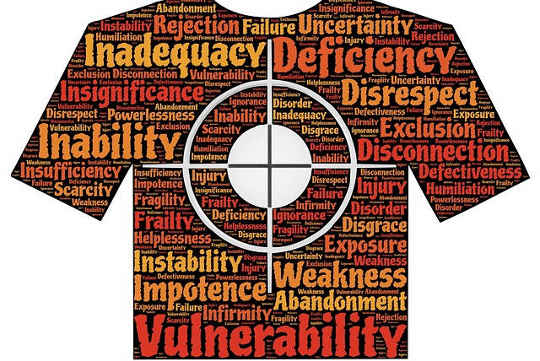 Under emotional distress, the brain may signal the adrenal glands to produce chemicals called corticosteroids. Cancer-related processes are accelerated in the presence of these chemicals. Certain cancers have also been associated with distressing life events.
 Healing can include dramatic, sudden physical cures, but is not confined to the 'miraculous' or the spectacular. Perhaps for most people, the healing power of faith involves a healing of the mind and emotions, the intangible spirit, and of relationships with others.
 Recent reports that cancer rates in UK women are set to rise six times faster than in men over the next two decades will have alarmed many.
 How’s your back? About a quarter of Australia’s population experience a back pain episode at any point in time, and nearly all of us (around 85%) will have at least one lifetime experience with back pain.

As the baby boomer generation begins to age, the prevalence of both eye and ear disease will rise exponentially, as there is a strong correlation between vision loss, hearing loss and ageing.
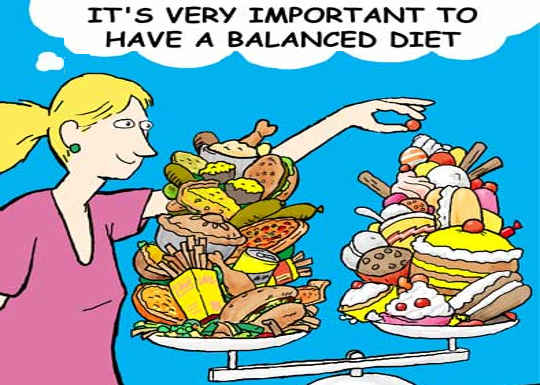 I was recently asked: If my eating habits are half good and half bad, does that make my overall diet balanced?
 Many of us do things we wish we would not do. We may compulsively eat sugary or fatty things, drink too much alcohol, become a zombie in front of the TV, or whatever. We may judge ourselves as “weak” or “lacking in willpower”, because of this. Maybe we...
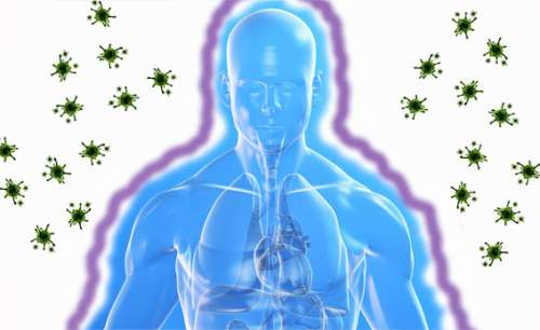 The rise in recent decades of diseases such as inflammatory bowel disease and rheumatoid arthritis suggests that factors in the environment are contributing.
 Pleasure and pain are always coming and going, fluctuating to and fro, sometimes only five minutes apart, doing “their thing” to this flesh-and-bone vehicle, inspiring all kinds of crazy thoughts in our thinking organ—the brain.
 More than a half-million people have lost over 5 million pounds by learning to conquer their food cravings. For many people, food choices have little to do with physical hunger. Instead, they are driven by an emotional hunger and they eat to satisfy some kind of longing.
 New research reveals a new, menopause-specific indicator of heart disease risk—and suggests possible ways to reduce it.
 A highly toxic form of mercury could jump by 300 to 600 percent in zooplankton—tiny animals at the base of the marine food chain—if land runoff increases by 15 to 30 percent, according to a new study.
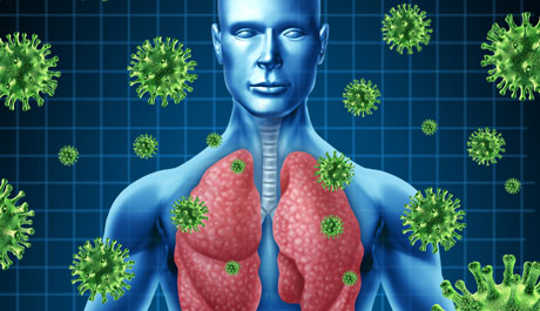 Many infectious diseases are one and done—people get sick once and then they are protected from another bout of the same illness.
 Most living things appear to be vitalized by the bright reds, oranges, and yellows of daylight -- and calmed and rejuvenated by the blues, indigos, and violets of the night. The origins of healing with color can be traced back to the mythology of Ancient Egypt and Greece.
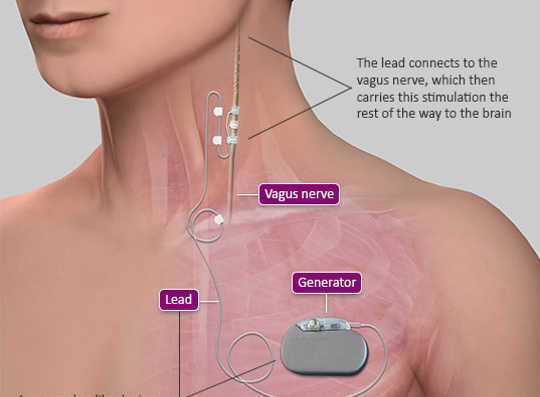 An implanted device—a bit like a pacemaker—electrically stimulates the vagus nerve, while inhibiting unwanted nerve activity in a targeted way.
The quest for happiness often leads to frustration, as many fail to realize that the...

Reaching sixty can evoke complex emotions, blending relief with ongoing ambition. This...

The quest for life's purpose often leads to unsatisfactory answers. This article...

Have you ever argued over something that wasn't actually said? From cultural differences...

Romantic love is a complex emotion shaped by historical, cultural, and biological...

Imagine going through one of the most physically and emotionally demanding experiences...

Daily actions often conflict with personal beliefs due to past experiences. By utilizing...

Therapists often use dream interpretation to delve into patients' emotions, but true...