
Happiness & Success
Achieving Happiness Through Acceptance of Life
The quest for happiness often leads to frustration, as many fail to realize that the...








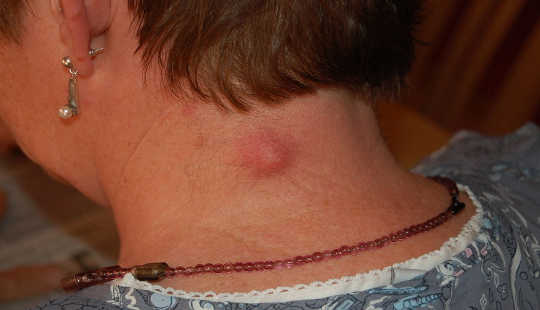 As we age, the smooth skin of childhood gives way to all sorts of mysterious lumps and bumps. In a high-UV environment like Australia, we need to be very alert to the possibility of skin cancers. But most of the skin lumps we develop will be benign. Here are some of the most common, and how to tell them apart.
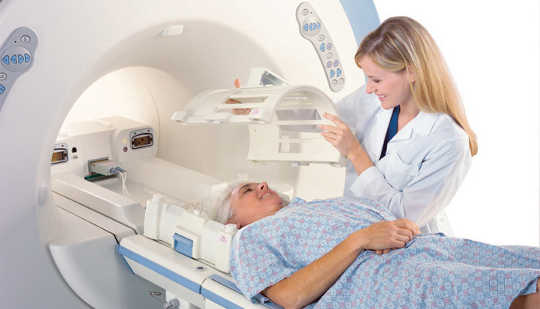 Researchers are testing a non-invasive way to determine if treatments for Parkinson’s slow or stop the progression of the disease.
People who have both hepatitis B and HIV may have a greater chance of developing liver cancer at a young age, according to our new study.
 We all know the score: current trends predict there will be 9.7 billion mouths to feed by 2050. Producing enough food without using more land, exacerbating climate change or putting more pressure on water, soil and energy reserves will be challenging.
 It is well recognised that increasing rates of type 2 diabetes are mainly driven by obesity and lifestyle factors. But that’s not the whole story. Genetics and epigenetics – changes in gene expression – also play an important role.
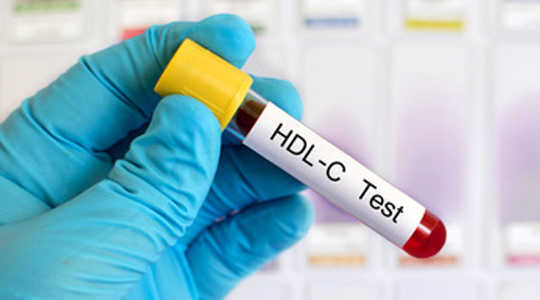
Commonly touted as “good cholesterol” for helping reduce risk of stroke and heart attack, both high and low levels of high-density lipoprotein (HDL) cholesterol may increase a risk of premature death, a new study suggests.
 From vitamin C and echinacea to warm clothes and antibacterial soap, there’s no shortage of ideas about how to prevent and manage colds and flu. Unfortunately, many of these are not based on solid scientific evidence.
 It’s well-known that those with autism spectrum disorders including Asperger’s syndrome develop difficulties with social communication and show stereotyped patterns of behaviour.
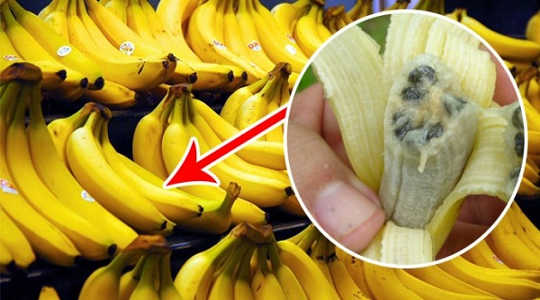 Researchers have discovered how three fungal diseases have evolved into a lethal threat to the world’s bananas.
 They have identified the neural networks that connect the cerebral cortex to the adrenal medulla, which is responsible for the body’s rapid response in stressful situations.
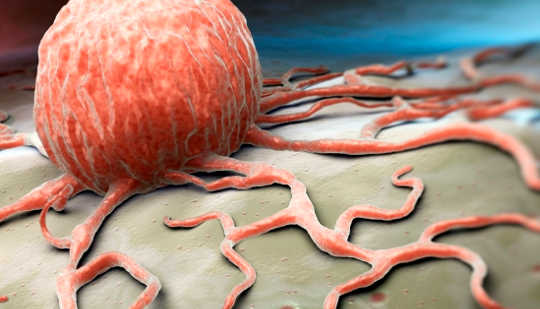 Essential organs tasked with keeping us alive and reproducing – such as the heart, brain or uterus – may have evolved better protection against cancer than larger and paired organs, we have proposed.
 The most common question I get asked is “Will my child get Alzheimer’s disease?” In my experience, this concern is one of the biggest worries for sufferers, and given the devastating effects of the disease, it is not hard to see why it is a difficult thought to contemplate.
 Specific aspects of the Amish environment are associated with changes to immune cells that appear to protect children from developing asthma, report researchers.
 Most Eastern styles of medicine pay just as much attention to the patient’s state of mind as to the state of his or her tissues and organs. This insight and acknowledgment of the whole person rather than reducing us to our individual body parts is based on healing methods centuries old that survive because they work.
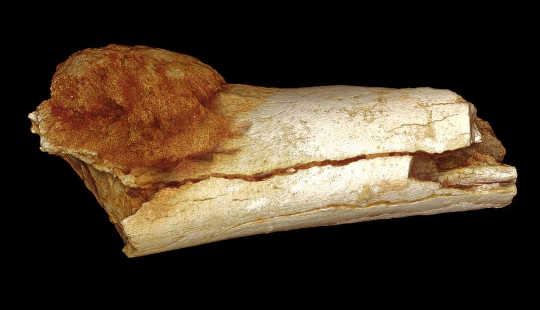 In late July, an international team of researchers announced that they had identified evidence of cancer in the fossilized remains of a biological relative of human beings who lived about 1.7 million years ago.
 The sight of the determined, lycra-clad jogger has become a familiar feature of urban parks around the world. Jogging – defined as “the activity of running at a steady, gentle pace”
 Ever wondered what happens inside your brain when you stay awake for a day, a night and another day, before you finally go to sleep? Well, we just found out.
 At least 15 percent of people with depression don’t get relief from conventional treatments such as antidepressant medications and psychotherapy.
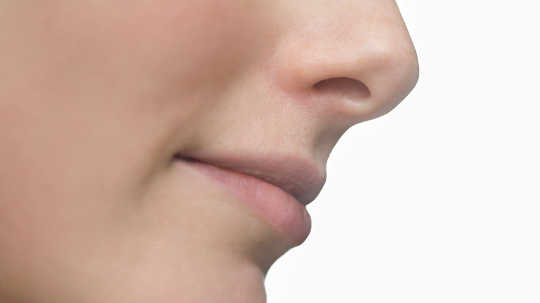 Alexander Fleming discovered penicillin in 1928 and revolutionised the treatment of bacterial infections. Ever since then we have been searching for new antibiotics to address the myriad of infections humans encounter and the growing risk of resistance to them.
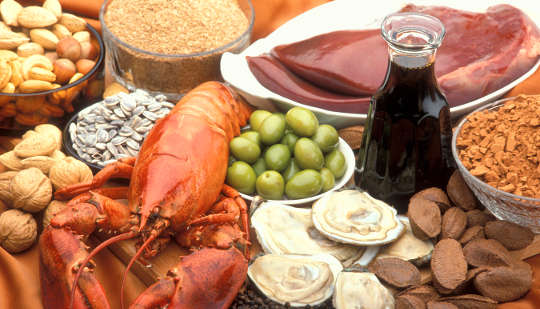 Food, nutrition and human health institutes around the world have been fighting to reduce the risks associated with consuming detrimental fatty acids that are linked to cardiovascular diseases.
 The demands of being a presidential candidate take a toll on sleep. And the demands are not likely to lessen for whomever is elected.
The quest for happiness often leads to frustration, as many fail to realize that the...

Reaching sixty can evoke complex emotions, blending relief with ongoing ambition. This...

The quest for life's purpose often leads to unsatisfactory answers. This article...

Have you ever argued over something that wasn't actually said? From cultural differences...

Romantic love is a complex emotion shaped by historical, cultural, and biological...

Imagine going through one of the most physically and emotionally demanding experiences...

Daily actions often conflict with personal beliefs due to past experiences. By utilizing...

Therapists often use dream interpretation to delve into patients' emotions, but true...