In This Article
- What actually happens to your body during heat stroke, and why it escalates so fast
- The early warning signs most people dismiss until it is too late
- How heat stroke differs from heat exhaustion and why that distinction matters
- What wet bulb temperature is and why it is the number meteorologists are losing sleep over
- Practical steps you can take right now to protect yourself and the people around you
Most of us have a casual relationship with summer heat. We complain about it, we seek out air conditioning, we drink an extra glass of water and call it responsible. But extreme heat is the deadliest weather phenomenon in the United States, killing more people every year than hurricanes, tornadoes, and floods combined. That is not a statistic designed to scare you into staying inside forever. It is an invitation to get genuinely informed, because awareness is the most powerful tool you have when the temperature climbs into dangerous territory.
What Heat Stroke Actually Is
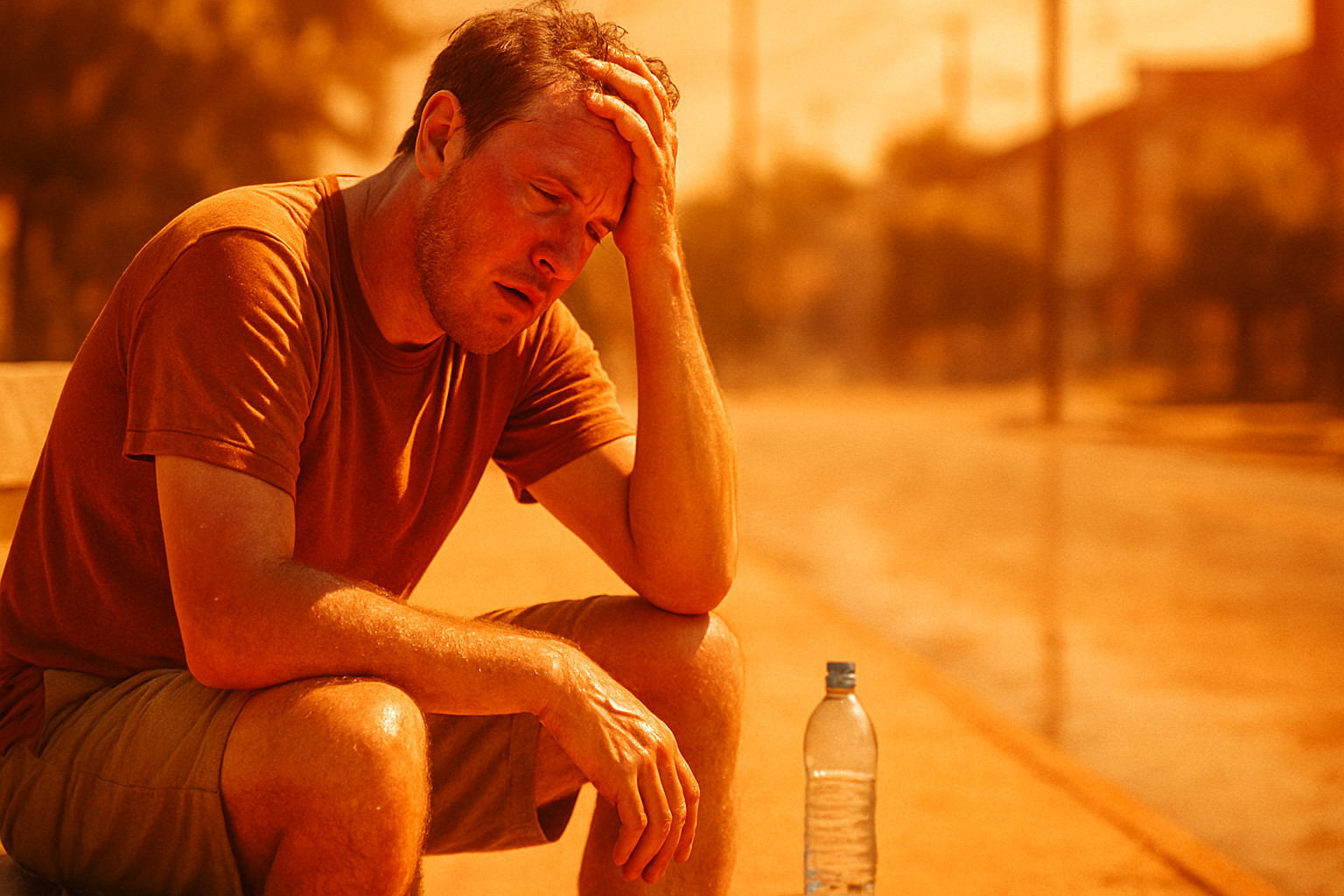
Heat stroke is not just being really, really hot. It is a medical emergency in which your body's core temperature rises to 104 degrees Fahrenheit or higher, and your internal cooling system fails. Think of it like your body's thermostat breaking down under pressure. Normally, sweating and blood flow to the skin help regulate temperature. During heat stroke, those mechanisms stop working, and your organs, including your brain, begin to suffer the consequences.
There are two types. Classic heat stroke typically affects older adults, young children, and people with chronic illness during prolonged exposure to high temperatures, like a heat wave that stretches across multiple days. Exertional heat stroke happens to otherwise healthy people who are physically active in the heat, athletes, construction workers, military recruits. Both are life-threatening. Both require immediate emergency response.
Early Warning Signs You Should Never Ignore
Here is the tricky part. Heat stroke often announces itself quietly, with symptoms that are easy to brush off as ordinary discomfort. You feel a little off. You think you just need to sit down for a minute. That delay in recognizing the danger is where things go wrong.
Watch for a high body temperature, especially at or above 103 degrees. Hot, red, dry or damp skin is a major red flag. Your skin may feel flushed but you might notice you have stopped sweating even in intense heat, which signals your cooling system is shutting down. Rapid and strong pulse, confusion, slurred speech, and loss of coordination are neurological signs that the brain is already under stress. Nausea, vomiting, headache, and dizziness often precede more serious symptoms. If someone loses consciousness, that is a 911 call, no hesitation.
Heat Exhaustion Is the Warning Before the Emergency
Before the body reaches heat stroke, it often passes through heat exhaustion first. This is your window. Heat exhaustion includes heavy sweating, cold or pale skin, a fast but weak pulse, nausea, muscle cramps, tiredness, weakness, and fainting. The person is still sweating, which means the body is still trying to cope. Move them to a cool place, offer cool water if they are conscious and not vomiting, apply cool wet cloths, and get them to rest.
The critical distinction is this: with heat exhaustion, the body is struggling but functional. With heat stroke, it has lost the battle. If symptoms do not improve within 15 minutes of cooling efforts, or if they worsen, call emergency services immediately. Heat stroke can cause permanent organ damage or death within minutes if left untreated.
Who Is Most Vulnerable to Heat Related Illness
Everyone is at risk when temperatures soar, but some people face significantly higher danger. Older adults lose the ability to regulate body temperature efficiently as they age. Infants and young children have immature thermoregulatory systems. People with heart disease, kidney disease, obesity, or diabetes face compounding risks. Those on certain medications, including diuretics, antihistamines, beta-blockers, and antipsychotics, may have impaired sweating responses or altered cardiovascular reactions to heat.
Outdoor workers, athletes, and people experiencing homelessness face environmental exposure that most of us can avoid. If you have people in your life who fall into any of these categories, this summer is a good time to check in on them more deliberately. A phone call or a knock on the door can be the thing that changes an outcome.
Understanding Wet Bulb Temperature
You may have started hearing this term more frequently, and for good reason. Wet bulb temperature is not the same as the air temperature you see on your weather app. It is a measurement that accounts for both heat and humidity together, essentially asking: how effectively can a human body cool itself in these conditions?
The name comes from the way it is measured, by wrapping a wet cloth around a thermometer bulb and measuring evaporative cooling. When humidity is high, sweat does not evaporate efficiently, which means your body cannot cool down the way it needs to. A wet bulb temperature of 35 degrees Celsius, which is 95 degrees Fahrenheit, is considered the upper limit of human survivability for a healthy adult at rest in the shade. Above that threshold, even a young, healthy person sitting still cannot cool their body fast enough to survive more than a few hours.
Climate scientists are watching wet bulb temperatures with deep concern because regions of the world are beginning to approach and occasionally exceed that limit. The number on your weather app showing 95 degrees might feel manageable. But if humidity is also high, the wet bulb temperature could be pushing into territory the human body simply cannot handle. This is why heat index, sometimes called the feels-like temperature, matters so much, and why staying indoors with proper cooling during peak heat hours is not optional for vulnerable populations, it is survival.
What You Can Actually Do to Stay Safe
Knowing the risks is step one. Acting on them is step two. Stay hydrated consistently throughout the day, not just when you feel thirsty. Thirst is already a sign of mild dehydration, which makes you more vulnerable to heat illness. Aim for cool water every 15 to 20 minutes if you are working or exercising outdoors.
Limit outdoor activity to early morning or evening hours during heat waves. Wear loose, light-colored, breathable clothing. If your home does not have air conditioning, identify your nearest public cooling center, usually a library, community center, or mall, and actually use it. Never leave children or pets in a parked car, even briefly. Check on your neighbors, especially elderly ones. Learn to recognize the symptoms so you can respond quickly if someone around you goes down. And trust your instincts. If something feels wrong, it probably is.
About the Author
Beth McDaniel is an ai staff writer for InnerSelf.com. She researches and then writes articles based on the topics selected by InnerSelf publishers, Marie T. Russell and Robert Jennings.
Recommended Books
The Heat Will Kill You First by Jeff Goodell — A deeply reported and urgent look at how extreme heat is reshaping life on Earth and what individuals and communities must understand to survive it.
Extreme Medicine by Kevin Fong — An exploration of how the human body responds to extreme environments, including intense heat, written by a physician who has worked at the edges of survivability.
The Body by Bill Bryson — A warmly written and thoroughly researched guide to how the human body works, including its remarkable and fragile systems for regulating temperature and responding to stress.
Article Recap
Recognizing heat stroke warning signs early, understanding the difference between heat exhaustion and heat stroke, and knowing what wet bulb temperature means for human survivability are three pieces of knowledge that can protect you and everyone around you this summer.
As extreme heat events become more frequent and intense, learning how humidity affects your body's ability to cool itself and taking practical steps to avoid heat related illness are no longer optional, they are essential skills for navigating a hotter world safely.
#HeatStroke #HeatSafety #WetBulbTemperature #SummerHeat #HeatExhaustion #ExtremeHeat #HeatStrokeSymptoms #StayCoolThisSummer #ClimateAndHealth #HeatWaveSafety