
Happiness & Success
Achieving Happiness Through Acceptance of Life
The quest for happiness often leads to frustration, as many fail to realize that the...








 Demand for food is increasing rapidly – the global population is expected to reach 11.2 billion by 2100. To keep up with the additional mouths to feed, intensive farming practices have maximised production, but often at the expense of the environment and human health.
 The average lifespan of residents of Copenhagen could increase by an entire year in 2040 if there were cuts in pollution to the level found in the countryside.
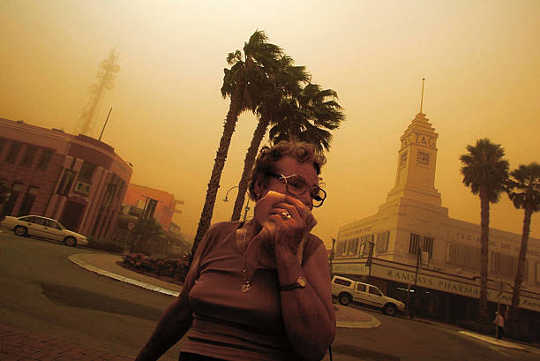 A major dust storm swept through Sydney and regional New South Wales this week. Red skies over Broken Hill on Wednesday night and Sydney on Thursday resembled those seen during intense bushfire activity and the massive 2009 dust storm.

We are living in a world where environmental pollution has become part of life. Civilized humans today must live in cramped urban areas, drink contaminated water, take in polluted air, eat contaminated foods, and endure loud, disturbing noises. What can we do?
 Despite overall lower levels of harmful emissions from power plants and vehicles throughout the year, winter air pollution in the Eastern United States remains high. A new study explains why.

Carbon monoxide (CO), like many gases, cannot be detected by our human senses. We cannot see it, smell it or taste it. But unlike many gases, small amounts are extremely harmful to us.

Not everyone will readily admit to peeing in swimming pools, but it does happen. An anonymous survey from 2012 found that 19 percent of adults admitted they had peed in a pool at least once. But when you use a pool as a giant toilet, that yellow trail contains some nasty bacteria and parasites.

Exposure to fracking chemicals in utero may harm the immune system and diminish the ability of female offspring to fend off diseases like multiple sclerosis, according to a new study with mice.
 Anxiety caused by exposure to pollution may make people more prone to cheating and unethical behavior, according to new research. And that can be a driver behind the higher crime rates in high-pollution areas.

The search for autism’s causes is a daunting task — but researchers are investigating a variety of factors that might play a role.
 A common herbicide is ending up in our food, thanks to the growing practice of using it to dry crops in preparation for harvest. In addition to speeding crop drying, glyphosate can help synchronize ripening in plants at harvest time.
 The higher the level of particulates in the air, a new study shows, the greater the indications of psychological distress. Where a person lives can make a big difference to health and quality of life. Every increase in pollution of 5 micrograms per cubic meter had the same effect as a 1.5-year loss in education.
 People in northern China have a reduced life expectancy when compared with people living in the south due to higher concentrations of air pollution, a new study suggests.
 The most heavily used pesticide in California, elemental sulfur, may harm the respiratory health of children who live near farms that use it, new research suggests.
 Scientists have developed a method for removing more than 99 percent of bisphenol A (also known as BPA) from water quickly and cheaply.
 A new electronic sensor can monitor water quality in homes or cities, informing residents or officials of the presence of lead in water within nine days—all for around $20.
 Researchers measuring the exposure to pollution inside cars during rush hour commutes have found that the levels of some harmful particulate matter are twice as high as previously believed.
 The environmental advocacy group Environmental Defense Fund (EDF) on June 15 released a study about dietary lead exposure, with a focus on food intended for babies and young children.
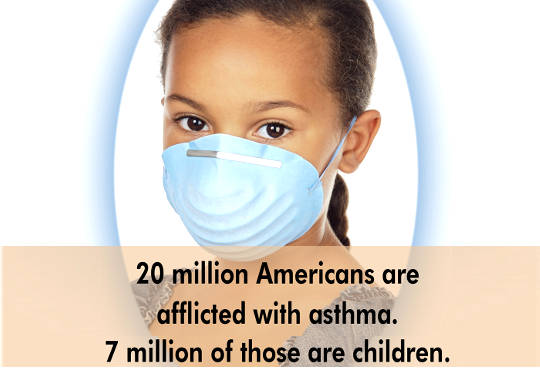 A “congestion tax” that discourages downtown driving not only cuts traffic and pollution, but also sharply reduces children’s asthma attacks.
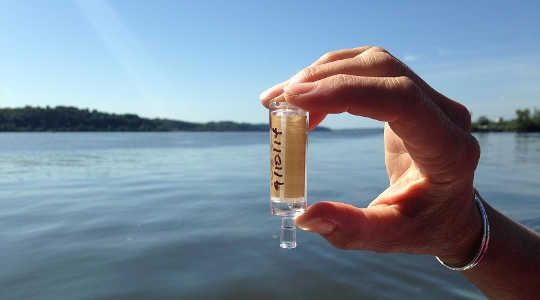
A new way to test for a wide range of micropollutants in waterways has already turned up a nightmarish cocktail of contaminants.

Recent research reveals that shooters, whether professional or recreational, face significant risks of lead poisoning from bullets and airborne particles at shooting ranges. With elevated blood lead levels found in many participants across various studies, understanding the sources of lead exposure and its potential health impacts is crucial for all involved in shooting activities.
The quest for happiness often leads to frustration, as many fail to realize that the...

Reaching sixty can evoke complex emotions, blending relief with ongoing ambition. This...

The quest for life's purpose often leads to unsatisfactory answers. This article...

Romantic love is a complex emotion shaped by historical, cultural, and biological...

Imagine going through one of the most physically and emotionally demanding experiences...

Have you ever argued over something that wasn't actually said? From cultural differences...

Daily actions often conflict with personal beliefs due to past experiences. By utilizing...

Therapists often use dream interpretation to delve into patients' emotions, but true...