
Happiness & Success
Achieving Happiness Through Acceptance of Life
The quest for happiness often leads to frustration, as many fail to realize that the...








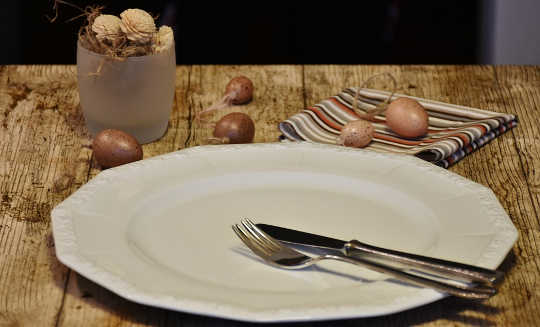
Fasting is an art. By creating space in your body, it will help create space in your life for the things you want, including loving relationships, a disease-free body, and prosperity in line with your highest ideals.

Has this ever happened to you? You’re eating a delicious ice cream cone or frozen lemonade, so cold and sweet and suddenly, bam, brain freeze! What happened?
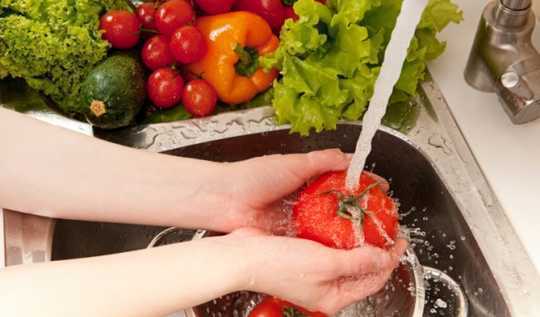
There are things you can do to make sure the food you’re eating during the COVID-19 pandemic is safe and to limit waste, experts say.
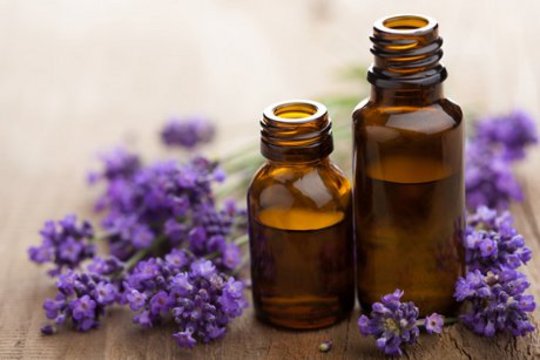
Knowledge has been handed down through the ages regarding the contributions that essential oils can make in our lives. Some of the stories originated in our grandmothers' tales, some were told by wise sages, while others were revealed by those deeply in touch with the plants. Essential oils are established and revered as a reliable and resourceful healing modality.

Our ancestors were extremely awe-inspiring in the ways they incorporated essential oils into not just healing and saving lives, but in every aspect of their daily routines and healing methods. Herbs, plants, and the oils derived from them, were the main components of healing in every culture on earth for hundreds of thousands of years.
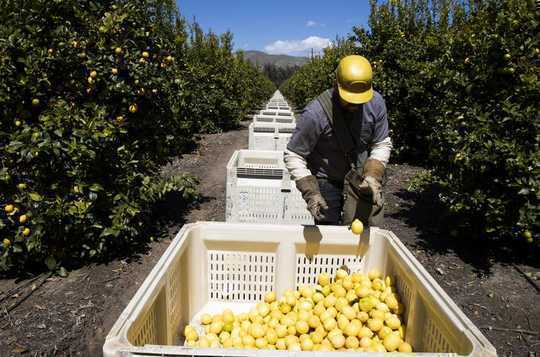
Many Americans may find bare grocery store shelves the most worrying sign of the impact of the COVID-19 pandemic on their food system.

One of the great secrets of a long, satisfying, and happy life, according to Eastern wisdom, is to focus on health instead of disease. This is the psychological basis of the art of radiant health. Develop the attitude of radiant health, and radiant health can be attained surprisingly easily.
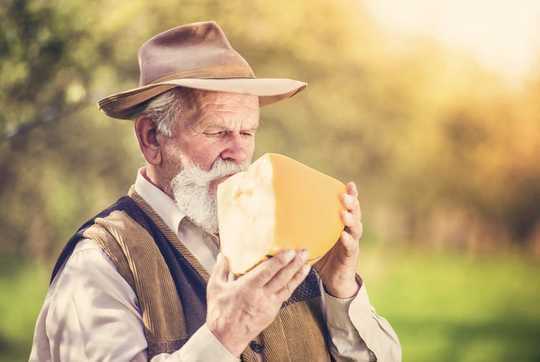
Spending a lot more time in your house doesn’t have to make you any less curious about the world around you.
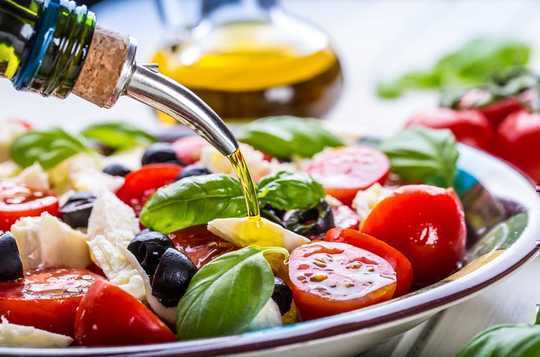
As well as protecting yourself from the virus on the outside, you can also build up your defences from the inside by strengthening your immune system. Many people, especially the young, develop only very mild disease.
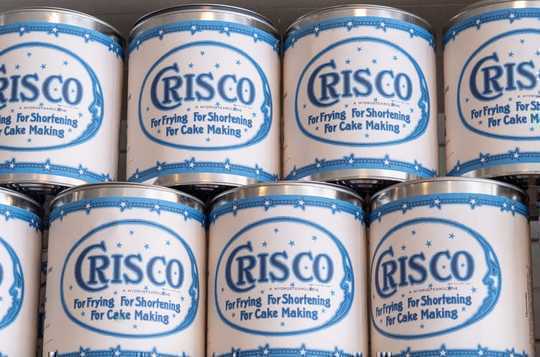
Perhaps you’ll unearth a can of Crisco for the holiday baking season. If so, you’ll be one of millions of Americans who have, for generations, used it to make cookies, cakes, pie crusts and more.
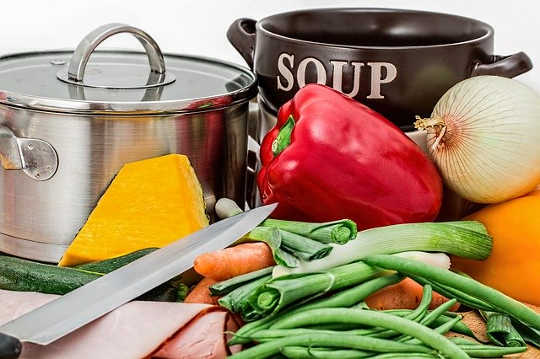
Each day that you choose to eat healthfully and simply— selecting whole, unprocessed foods from the earth and balancing your foods—know that you are building a new foundation for yourself. At first, this foundation may feel wobbly, as it is new to you, but every time you make the choice to follow through...

More and more health professionals are encouraging consumers to cut back on fat, and vegetarian meals are finding a welcome place in the lives of more Americans. This does not mean that all Americans are becoming vegetarians, but many are now eating meatless meals at least several times a week.
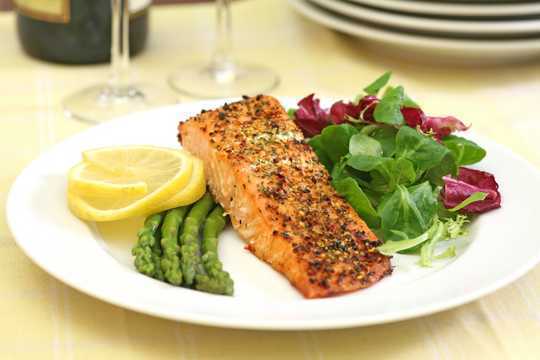
A low carb diet may prevent or even reverse the effects of aging in the brain, researchers report.
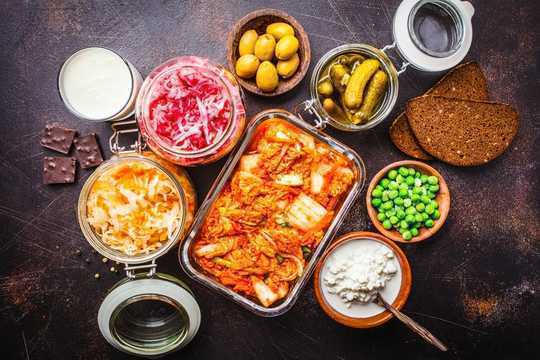
Fermented foods have become very popular, thanks to claims about their nutritional properties and reported health benefits, such as improving digestion, boosting immunity and even helping people lose weight.
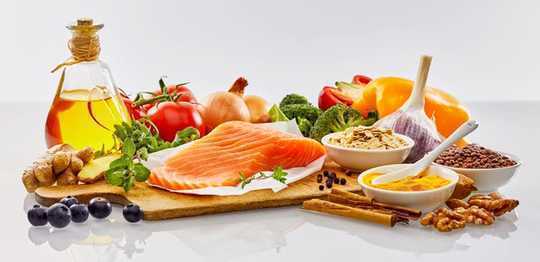
As our global population is projected to live longer than ever before, it’s important that we find ways of helping people live healthier for longer.

More than two-thirds of Americans take dietary supplements. The vast majority of consumers – 84% – are confident the products are safe and effective.
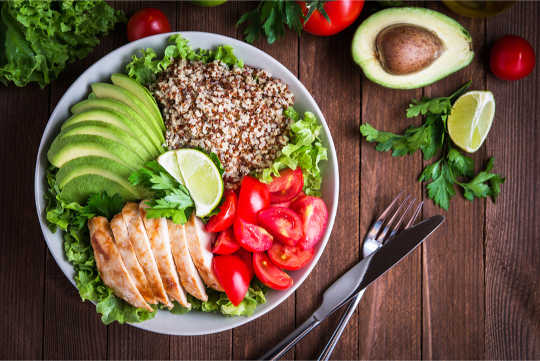
We are being cheated nutritionally. Food constitutes a six-part gift, but all we're hearing about is one thing. But this skewed perspective, focusing solely on the physiological aspects of food, has become the norm. I call our one-sided, limited view the Dark Ages of nutrition.
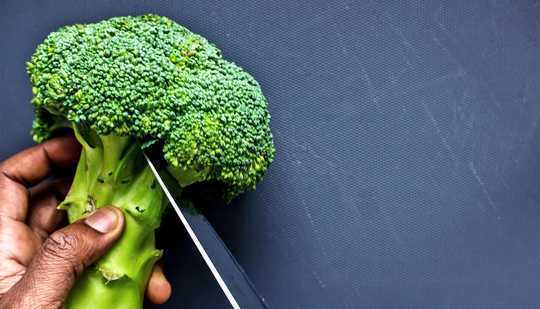
A natural compound in many vegetables called indole may fight fatty liver disease, researchers report.
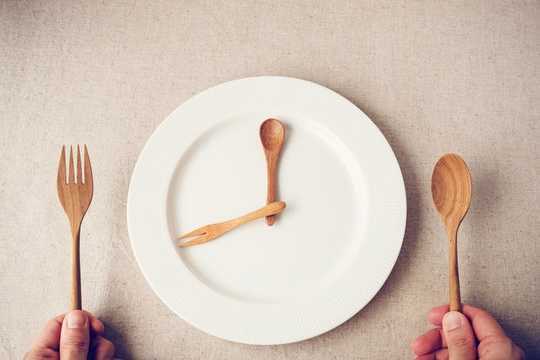
Silicon Valley’s newest fad is dopamine fasting, or temporarily abstaining from “addictive” activities such as social media, music, internet gaming – even food.

American households waste, on average, almost a third of the food they acquire, economists report. This food waste has an estimated aggregate value of $240 billion annually.

When my daughter was around 14 years old, she began to ask if she could have a cup of coffee in the morning like Mom and Dad.
The quest for happiness often leads to frustration, as many fail to realize that the...

Reaching sixty can evoke complex emotions, blending relief with ongoing ambition. This...

The quest for life's purpose often leads to unsatisfactory answers. This article...

Romantic love is a complex emotion shaped by historical, cultural, and biological...

Imagine going through one of the most physically and emotionally demanding experiences...

Have you ever argued over something that wasn't actually said? From cultural differences...

Daily actions often conflict with personal beliefs due to past experiences. By utilizing...

Therapists often use dream interpretation to delve into patients' emotions, but true...