
Happiness & Success
Achieving Happiness Through Acceptance of Life
The quest for happiness often leads to frustration, as many fail to realize that the...








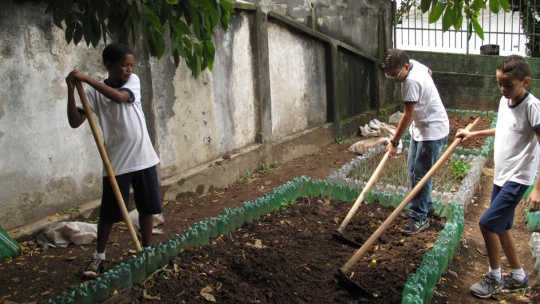
On a hilly slope in São Paulo City, a group of sixth graders is busy at work. They’re armed with seeds, soil and a range of gardening tools. Upside-down soda bottles, filled with water, outline a series of rectangular garden plots.
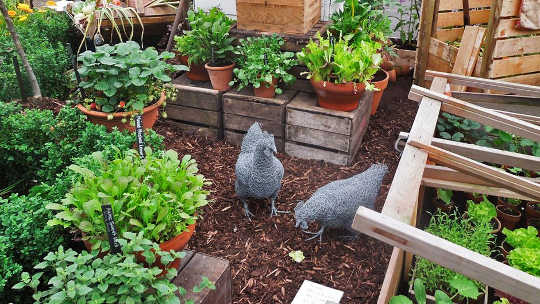 The environmental and nutrient impact of our food choices had been on my mind for several weeks when a year-old article in the Telegraph recently came to my attention, prompting me to assemble the thoughts that had been gradually coalescing.
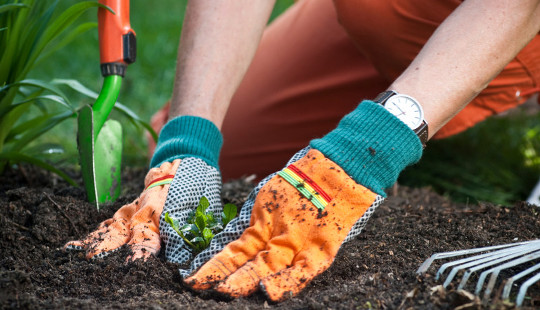
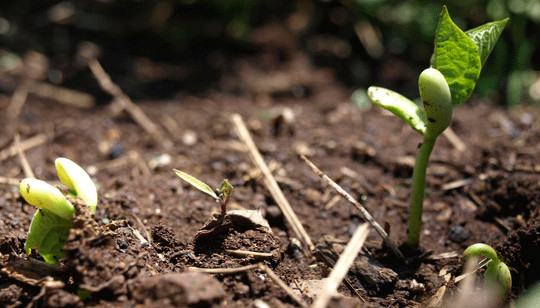 The key to gardening is dirt. If you can grow good dirt now, you can grow good vegetables this spring. And you don’t have to run to the garden store to load up on boxes and bags of stuff to do it if you start early and think of it as a year-round project.
 The key characteristic of the loving landscape is healthy, living soils which foster plant and animal health without artificial inputs. Compost, mulch and worms form the holy trinity of organic soil health.
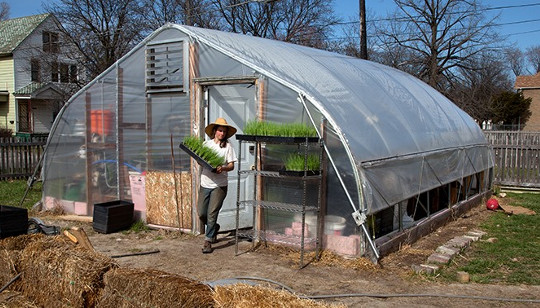 Midway through spring, the nearly bare planting beds of Carolyn Leadley’s Rising Pheasant Farms, in the Poletown neighborhood of Detroit, barely foreshadow the cornucopian abundance to come. It will be many months before Leadley is selling produce from this one-fifth-acre plot.
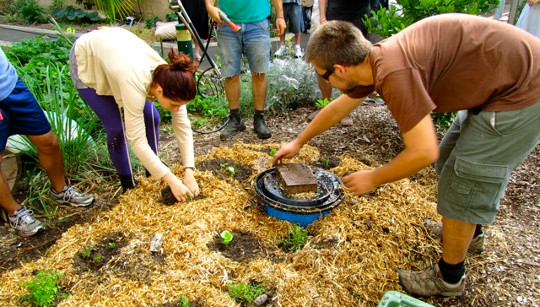 Both compost and mulch foster the life of the soil, and both are important components of the loving landscape. Sometimes they are confused for one another, but they are quite different animals. Compost, which we talked about last week, is more nutrient rich than mulch. It’s full of life, and inoculates soil with that life.
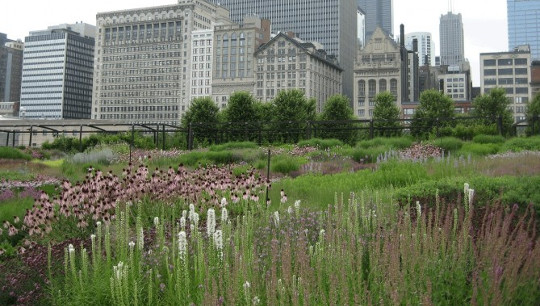 So, let’s say we want to play nice with the rest of nature. Let’s say we want public parks, yards and gardens which exist for more than show, spaces which support a diversity of life, steward our resources wisely and are a joy to the eye. We’ve got to change the existing lifeless paradigm of lawn and hedge and disposable annual flowers.
 A growing body of research suggests some animals may derive medicinal benefit from plant chemistry, and perhaps even seek out these chemicals when sick. Could naturally occurring plant chemicals in flowers be part of a solution to the worrying declines of wild and managed bees?
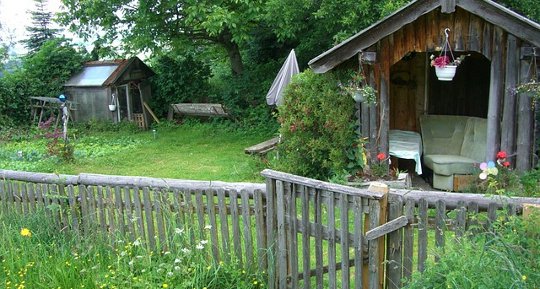 The Posey homestead probably wouldn't strike most Americans as a vision of paradise. We lived on dunes dotted with creosote and mesquite bushes, cactus and yucca. Mostly, the land was bare sand. We had seven or eight inches of total precipitation a year...
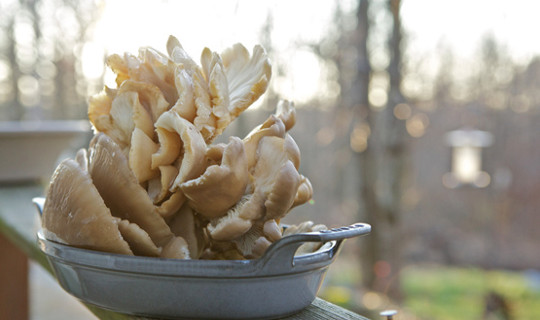
You don't need a garden to grow mushrooms—any cool, shady space will do, even a cupboard or dark corner. It’s fairly easy to grow oyster mushrooms indoors in a bag or a 2-gallon bucket using sawdust or spent coffee grounds as the growing medium.
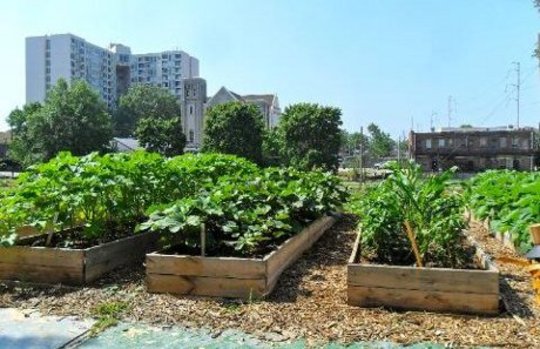
While urban farming is not a new concept, it is making a modern comeback. The benefits of urban farming well surpass the nutrition aspect, though of course, that is a major part of it.
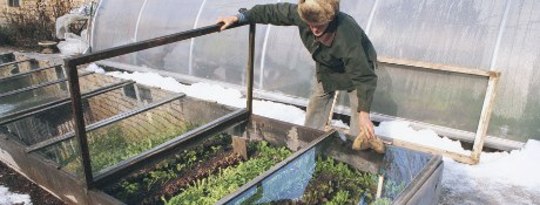
Growers wishing to produce crops over as long a season as possible use various methods to extend the survival of frost-tender crops beyond the first fall frosts, keep semi-hardy crops alive through the winter, and boost winter production of hardy crops...

Have you ever tried to grow your favorite summer vegetable or garden herb and something went wrong? Maybe it was poor planting, a disease, or a pesky insect. Maybe you need to troubleshoot problems or want definitive answers to questions like when to plant for your area or exactly when to fertilize.
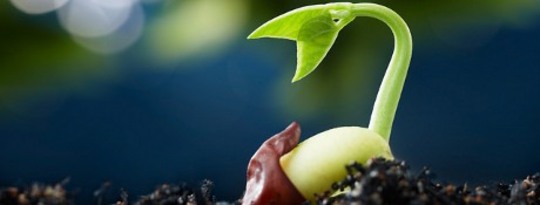
For years, many of us have kept an eye out for organic and pesticide free vendors at our local farmers markets. Thanks to a new movement hitting the American food scene, we may soon be looking for another important environmental marker: open source seeds. At least, that is the goal of...
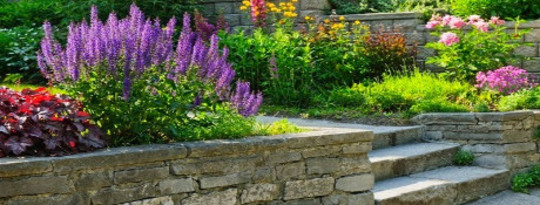
There’s something appealing about seeding a yard or garden with the plants that belong there. And in the era of drought and climate change, it’s more effective, too.

As climate change intensifies, plants are adapting through migration or altered flowering times. Researchers have uncovered patterns in how various species respond to warming temperatures, revealing insights into their survival strategies. These findings highlight the complexities of plant behavior and offer valuable principles for conservation efforts.

Foraging can transform a casual hobby into a rewarding lifestyle, but it requires knowledge and caution. This article shares key strategies for identifying edible plants, learning from experts, keeping detailed notes, and respecting nature with the Rule of Thirds. Embracing these practices can enhance both safety and enjoyment in foraging.
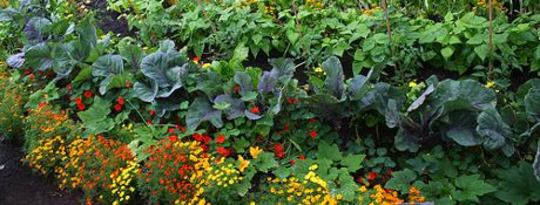 Biodynamic farming offers us a way to both cherish the Earth and attend to the process of growing foods and raising animals properly. According to activist and CSA owner and educator Allan Balliett, biodynamic farming is “a spiritual approach to growing.” Biodynamic farmers “try to take into account all of the forces that affect plant growth and their nutritional value.”

The major lack in most home-garden compost is nitrogen. This deficiency almost always happens because the decomposition process doesn't go far enough. So when this pseudo-compost is mixed into soil, it does not release an abundance of plant nutrients...
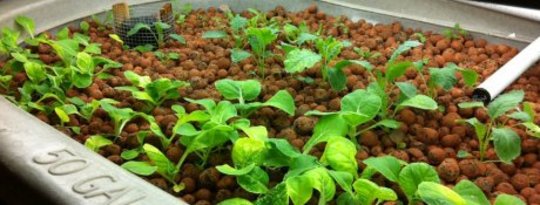
Since over half of humanity now lives in our cities, it is important that food-growing facilities be established where the people are. Imagine how much fuel could be saved if we actually grew our food in our city centers...
Conflict in a garden is all too easy to generate. I remember planting a couple of Bauhinia galpinii shrubs in a garden bed near one of our car ports. When, after five years, it proved difficult to find the entrance to the car port...
The quest for happiness often leads to frustration, as many fail to realize that the...

Reaching sixty can evoke complex emotions, blending relief with ongoing ambition. This...

The quest for life's purpose often leads to unsatisfactory answers. This article...

Romantic love is a complex emotion shaped by historical, cultural, and biological...

Imagine going through one of the most physically and emotionally demanding experiences...

Have you ever argued over something that wasn't actually said? From cultural differences...

Daily actions often conflict with personal beliefs due to past experiences. By utilizing...

Therapists often use dream interpretation to delve into patients' emotions, but true...