
Happiness & Success
Achieving Happiness Through Acceptance of Life
The quest for happiness often leads to frustration, as many fail to realize that the...








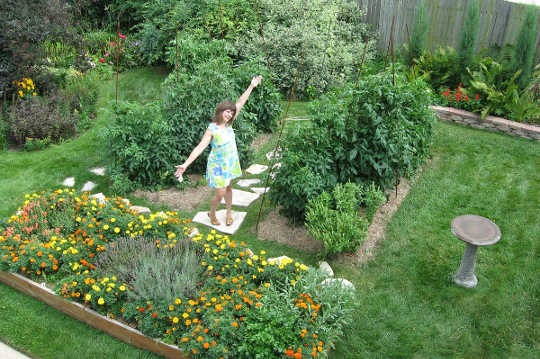 When we broke ground for a garden at our 80-year-old house in the middle of Seattle, we took the most obvious thing for granted.
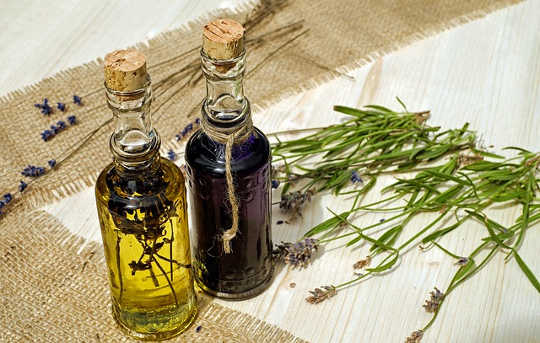 The opportunity to connect to Earth and her gifts in modern times is often waved away as a childish fantasy or an outdated practice, yet the impact of this disconnect is creating huge problems in our environment and mental health. To those who wave away our connectedness with Earth as a fantasy, I offer you an alternative way to consider these practices.
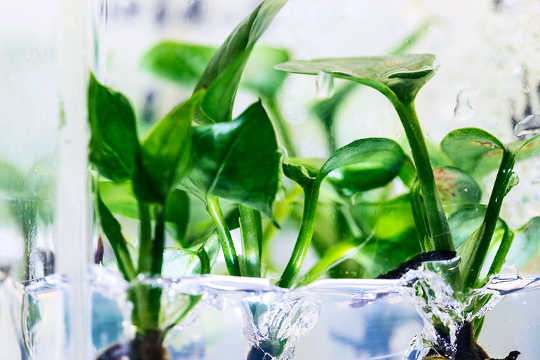 Researchers have genetically modified a common houseplant—pothos ivy—to remove chloroform and benzene from the air around it.

While you may be familiar with your zodiac sign and maybe even the precious stone associated with the month of your birth, did you know that The Language of Flowers shares with us blossoms connected with not only the month, but also the day and even land of your birth?
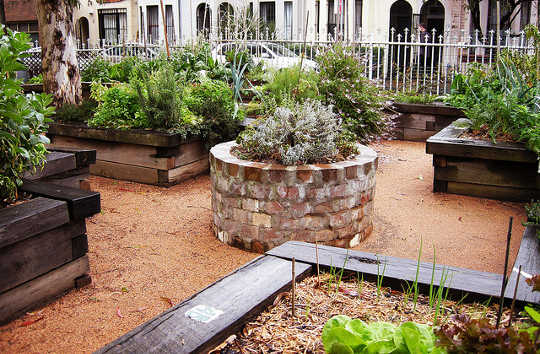
When it is done properly, organic growing methods can deliver two to three times the yield of conventional methods. Of course if you take two fields and plant each with a monocrop, then the one without pesticides will do worse than the one with, but that isn't really what organic farming is.
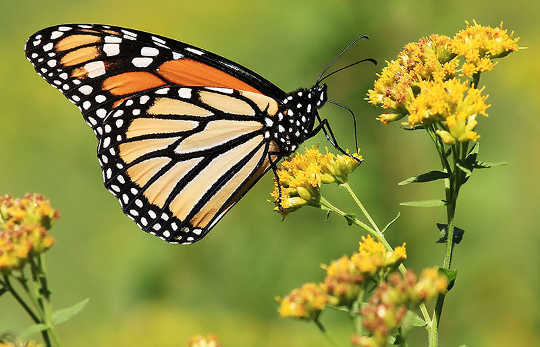
Researchers have uncovered exactly where a key protein forms before it triggers the flowering process in plants.
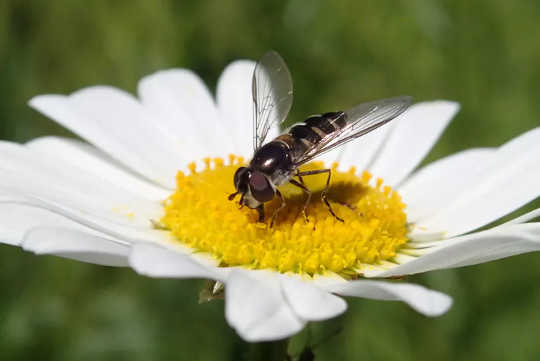
The weather is getting warmer, and gardens are coming alive with bees, flies, butterflies, dragonflies, praying mantises, beetles, millipedes, centipedes, and spiders.
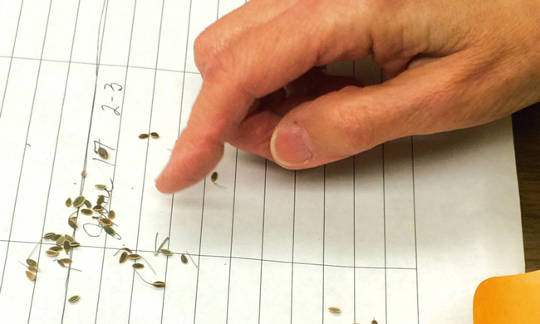 In Norway, a high-tech seed vault flooded from melting permafrost. In Montana, locals keep their seeds in the library.
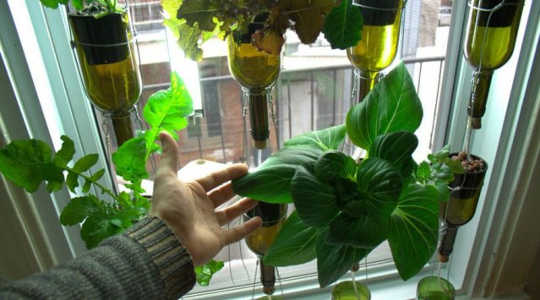 A new device can produce enough food to make one salad per week for an entire year—and do it inside an apartment.
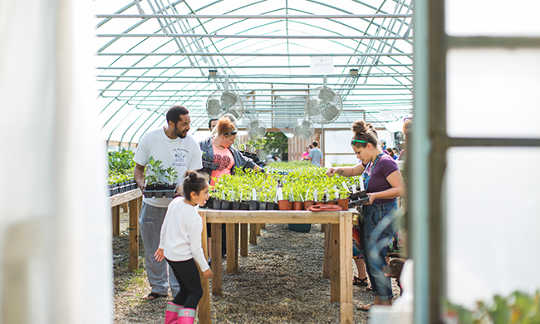 In the heat zone of Louisville, Kentucky, 170 residents have been trained as “citizen foresters.”
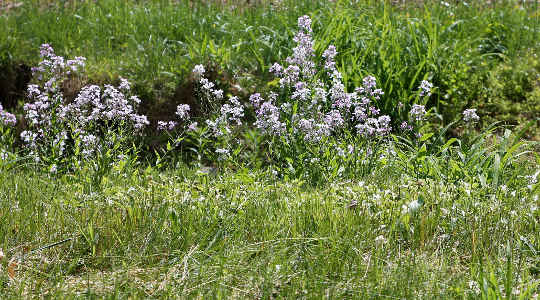 Farmers looking to reduce reliance on pesticides, herbicides, and other pest management tools may want to heed the advice of agricultural scientists: Let nature be nature—to a degree.
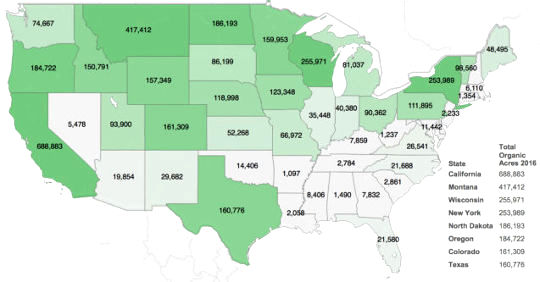 A new report has found that U.S. land for organic farming reached 4.1 million acres in 2016, a new record and an 11 percent increase compared to 2014.
 As the weather warms and days lengthen, your attention may be turning to that forgotten patch of your backyard. This week we’ve asked our experts to share the science behind gardening. So grab a trowel and your green thumbs, and dig in.
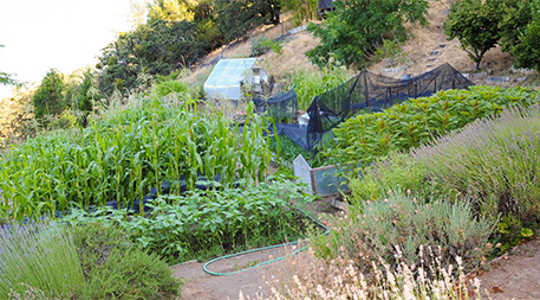 Tiny, biointensive operations show smallholder farmers from around the world how they can grow far more food than conventional approaches.
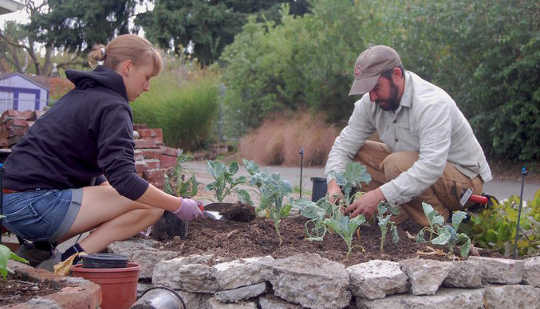 On a recent Monday evening in Seattle’s Central District, a handful of people gathered to work on a community farm. They pulled weeds, talked about the best ways to string up tomatoes, checked the progress of the greens and beans, harvested radishes and planted wildflowers.
 Plant biologists have discovered how sunflowers use their internal circadian clock, acting on growth hormones, to follow the sun during the day as they grow.
 The one fact about plants that most people probably remember from school is that they use sunlight to make their own food. That process, photosynthesis, means that plants are dependent on sunlight.
 These herbs aren't just for cooking—here's how you can use them to treat ailments from asthma to anxiety.
 Urban flooding represents the most common yet severe environmental threat to cities and towns worldwide. Future changes in rainfall extremes are likely to increase this threat, even in areas that could become drier.
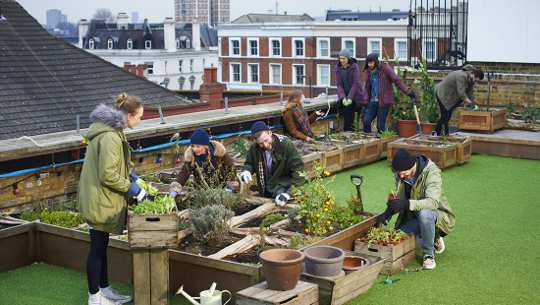 With more people than ever living in cities, how do we reconcile our need for fresh fruit and vegetables with the challenges of life in an urban environment where the time and space for gardening are limited?
Some farmers have turned to less chemically-intensive techniques to reduce the negative impact of agriculture, such as organic farming, which has been shown to outperform conventional farming by many standards of environmental sustainability. The question is whether we can meet the demand for food, which is predicted to rise substantially in the next 50 years.
The quest for happiness often leads to frustration, as many fail to realize that the...

Reaching sixty can evoke complex emotions, blending relief with ongoing ambition. This...

The quest for life's purpose often leads to unsatisfactory answers. This article...

Romantic love is a complex emotion shaped by historical, cultural, and biological...

Imagine going through one of the most physically and emotionally demanding experiences...

Have you ever argued over something that wasn't actually said? From cultural differences...

Daily actions often conflict with personal beliefs due to past experiences. By utilizing...

Therapists often use dream interpretation to delve into patients' emotions, but true...