
Happiness & Success
Achieving Happiness Through Acceptance of Life
The quest for happiness often leads to frustration, as many fail to realize that the...








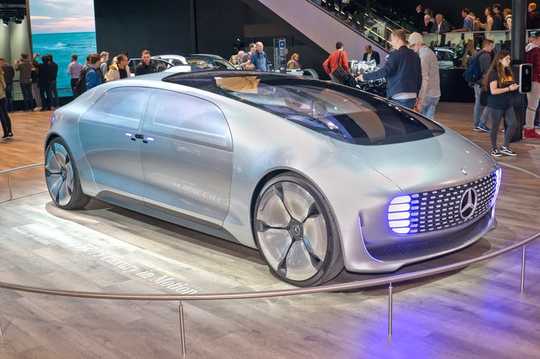
While the look and feel of our cars has changed in the past 100 years, the way we drive them hasn’t.
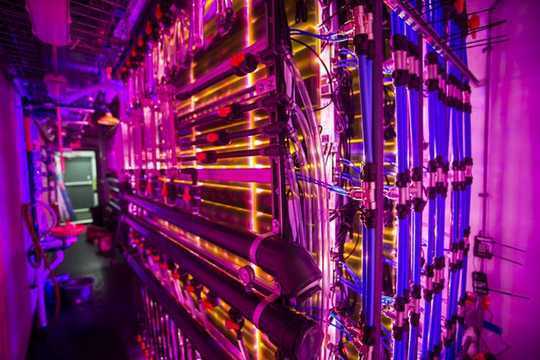
You might not be able to stomach soybeans for breakfast, lunch and dinner, but the animals you eat do.
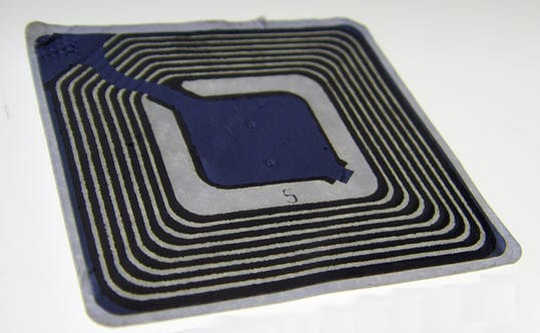 An almost invisible electronic device used all over the world – best known to much of the public for helping reunite lost pets and their owners...
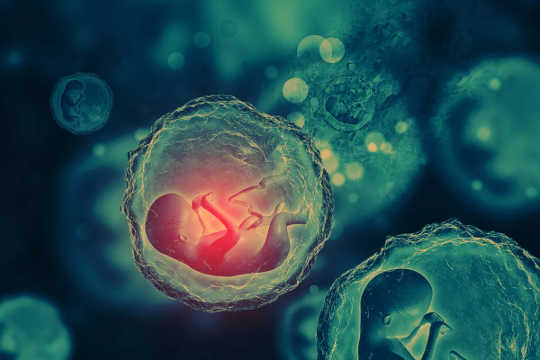
Bioethicist Matthew Liao is open to genetic engineering in theory, but he says he was rather horrified to learn that twin girls had been born in China after a researcher genetically modified their embryos to resist HIV infection.
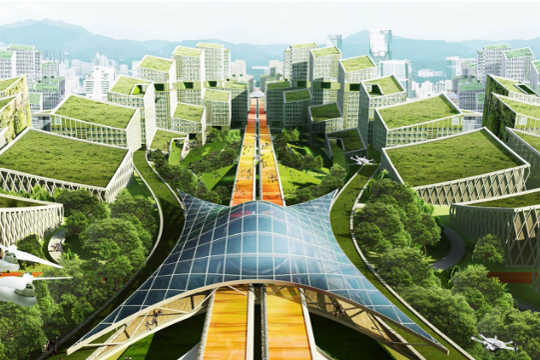
The Fabrication City concept puts manufacturing back in the hands of communities — using 3D printers.

The gambler, the quantum physicist and the juror all reason about probabilities: the probability of winning, of a radioactive atom decaying, of a defendant’s guilt.
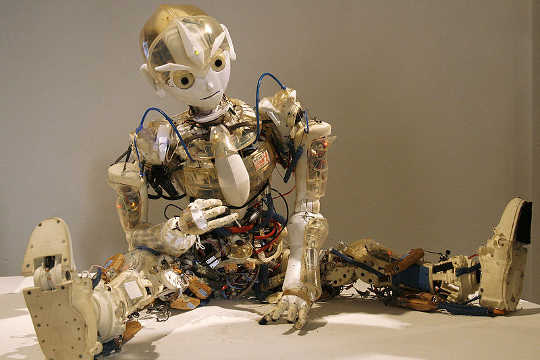
A colleague of mine, a roboticist, recently proclaimed that if one could teleoperate the robot he developed in his lab, it could hold down a desk job.
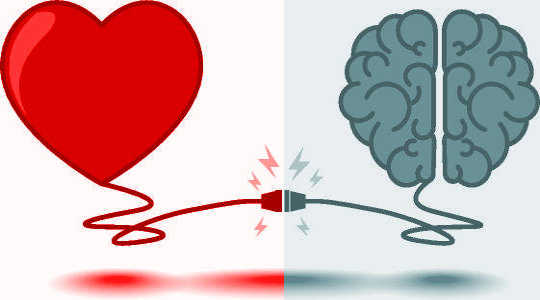
We connect to people around us in mysterious ways but science has proven that the heart is the biggest source of electromagnetic energy in the human body. They found there is an electromagnetic (energetic communication) between people.

For those readers, who’ve ever had an operation – whether it was planned or an emergency – things in the real world probably felt very different to those familiar TV drama medical emergency scenes.

If you dread a day of rest from the digital world, then you probably need one. A secular sabbath is time away from your devices. It can be any day of the week, just whatever works for you.

Science is like Michelangelo. The young Michelangelo demonstrated his skill as a sculptor by carving the ravishing Pietà in the Vatican; the mature Michelangelo, having acquired and demonstrated his skill, broke free of the conventions and created his extraordinary later quasi-abstractions. Science has trod a similar path.
 A newly discovered processor vulnerability could potentially put secure information at risk in any Intel-based PC manufactured since 2008. It could affect users who rely on a digital lockbox feature known as Intel Software Guard Extensions, or SGX, as well as those who use common cloud-based services.

Sales of George Orwell’s utopian novel 1984 (1949) have spiked twice recently, both times in response to political events. In early 2017, the idea of ‘alternative facts’ called to mind Winston Smith, the book’s protagonist and, as a clerk in the Ministry of Truth, a professional alternator of facts.

Will the intelligent algorithms of the future look like general-purpose robots, as adept at idle banter and reading maps as they are handy in the kitchen? Or will our digital assistants look more like a grab-bag of specialized gadgets...

“A red sky at night is a shepherd’s delight! A red sky in the morning is a shepherd’s warning.” The “red sky” proverb has endured across cultures for centuries, and modern science can explain why this is so.
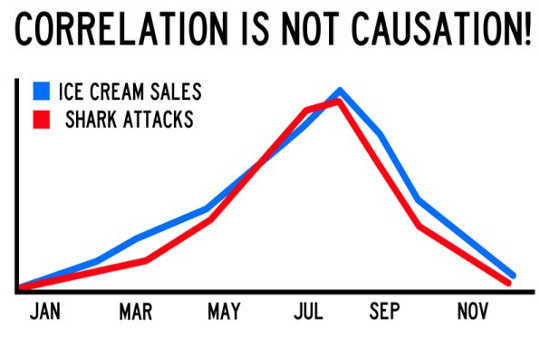 The old statistics axiom that correlation doesn’t imply causation is true, but causation can be drawn from more than one correlation.
 Researchers say they’ve solved a major fabrication challenge for perovskite cells—the intriguing potential challengers to silicon-based solar cells.
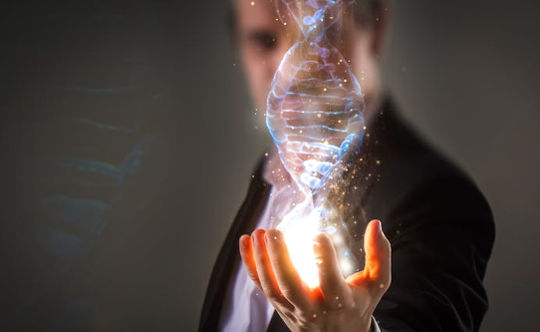
When humans’ genetic information (known as the genome) was mapped in 2003, it promised to change the world. Optimists anticipated an era in which all genetic diseases would be eradicated. Pessimists feared widespread genetic discrimination. Neither of these hopes and fears have been realised.
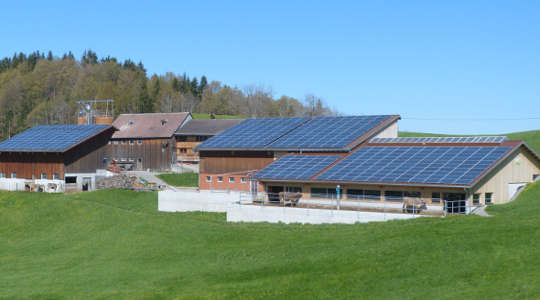
A new water-based battery could provide a cheap way to store wind or solar energy for later, researchers say.

The concept of scientific evidence has deep roots in rhetoric, revealing how persuasion plays a crucial role in its acceptance. From ancient orators to modern skeptics, the presentation of evidence often shapes public perception, highlighting the need for effective communication in science, especially in the context of climate change debates.
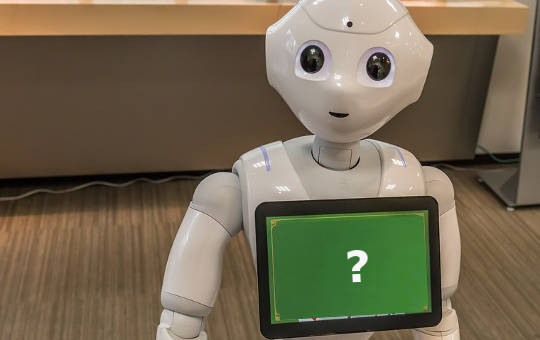
Before I started working on real-world robots, I wrote about their fictional and historical ancestors. This isn’t so far removed from what I do now. In factories, labs, and of course science fiction, imaginary robots keep fuelling our imagination about artificial humans and autonomous machines.
The quest for happiness often leads to frustration, as many fail to realize that the...

Reaching sixty can evoke complex emotions, blending relief with ongoing ambition. This...

The quest for life's purpose often leads to unsatisfactory answers. This article...

Romantic love is a complex emotion shaped by historical, cultural, and biological...

Imagine going through one of the most physically and emotionally demanding experiences...

Daily actions often conflict with personal beliefs due to past experiences. By utilizing...

Have you ever argued over something that wasn't actually said? From cultural differences...

Therapists often use dream interpretation to delve into patients' emotions, but true...