Use It or Lose It: The Hidden Power of Attention
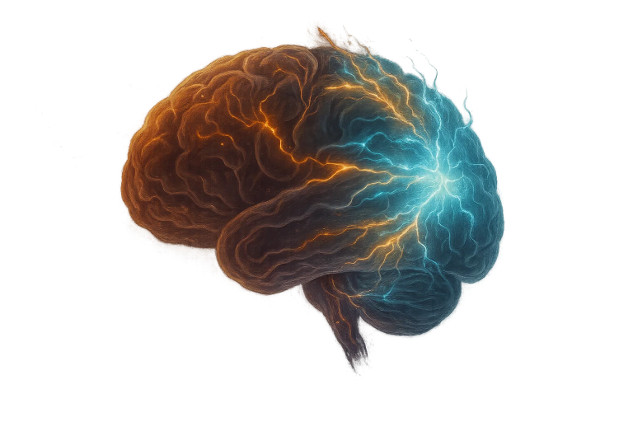
What if "use it or lose it" applies to far more than muscles and physical skills? The hidden power of attention shapes everything from intuition and empathy to habits, dreams,...


They told us AI would revolutionize everything, but they didn’t mention that your therapist might one day be a chatbot. That’s right—your next heart-to-heart could be with a string of code. The digital age has cracked open the door to AI therapy, with tools like ChatGPT and Claude stepping into the emotional arena. But before we outsource our inner demons to silicon, let’s pause and ask: Is this salvation or just another tech-fueled illusion?

Fairness isn’t enough anymore. Learn how choosing the win-win path can transform your relationships, your decisions, and even the world around you.

Learn how to turn your inner voice from a harsh critic into a powerful ally with 5 practical steps for transforming your internal dialogue and your life.

Government benefits hide trillions in unseen wealth. From Social Security to safety nets, this "invisible" value rivals private assets and reshapes the debate on wealth inequality. Learn how programs like unemployment insurance and child tax credits impact true wealth—and why understanding this matters more than ever.

Thinking in extremes—right or wrong, good or bad, black or white—may feel comforting, but it shackles your mind. Life is not a courtroom with a clear verdict; it’s a messy, complex, unpredictable story. Embracing gray thinking isn’t just smart—it’s necessary if we want to live with wisdom and empathy in an uncertain world. In this piece, we’ll unpack why black-and-white thinking is so seductive, how it distorts reality, and why shifting to gray thinking is a key to survival—both personal and collective.

Have you ever walked away from a conversation wondering if that person actually likes you, or if you're reading too much into their polite smile? That knot in your stomach, the replay of every word they said, the analysis of their body language—it's exhausting, isn't it? The truth is, most of us have become detectives of our own social interactions, searching for clues that might not even exist while missing the ones that actually matter.

Have you ever caught your reflection in a window and thought, Is that really me? Or heard your inner voice whisper something less than kind? These fleeting moments reveal something deeper: the image you hold of yourself, the story you tell about who you are. This is your self concept. A

Once upon a time, the notion of learning while you sleep seemed like the ultimate life hack. Slip on some headphones, drift off to dreamland, and wake up fluent in French or a master of economics. It was a seductive promise—and a persistent one. But here’s the rub: modern science says the story is far more complicated. While true "sleep learning" doesn’t work the way many believe, there is a smarter, science-backed path using sleep and audio learning to genuinely boost your memory and understanding. And it’s far more effective than any 1950s sleep-learning record ever was.

You can feel it coming—the shallow breath, the racing heart, the avalanche of worry that drowns out everything else. You tell yourself to calm down, to focus, to stop spiraling. But your mind doesn’t listen. Sound familiar? If so, you’re not alone. For millions of us, anxiety hijacks our ability to think clearly and stay grounded. But here’s the hopeful part: new research shows that the right kind of mindfulness practice can help you reclaim control of your mind—if you know how to use it.

Can the Akashic Records help guide your life? Learn how this timeless energy field offers insights into your soul’s journey, personal growth, and future potential.

It often sneaks in quietly, doesn’t it? A sigh just a little too loud, a compliment laced with a subtle jab, a task that somehow never gets done — even though they promised. You might sense something’s off, but when you bring it up, you’re met with, “What do you mean? I didn’t say anything.” Welcome to the world of passive aggressive behavior. If you’ve ever found yourself exhausted by these small, undermining exchanges, you’re not alone. But the good news is, you can learn to handle them without losing your own peace in the process.

In a world that feels more like a three-ring circus with each passing week, finding a clear path through the fog of headlines, false promises, and manufactured crises isn’t just smart—it’s necessary for survival. Enter the Personal Risk & Consequence Watchlist. No, it won’t predict the unknowable. But it will train your eye to watch the world with the kind of quiet wisdom that our ancestors used when deciding whether to plant the next crop—or grab the family and move to higher ground. The art of watching patterns is an old one. It’s time we bring it back.

A schizoid girl's journey through the 1960s rock revolution, where misunderstood lyrics, misheard meanings, and emotional escape formed a soundtrack to survival.

It doesn’t take a tinfoil hat or a secret handshake to fall into a cult. It usually starts with a grievance—a feeling that something’s wrong, that the world doesn’t make sense anymore. Maybe it’s economic fear. Maybe it’s cultural confusion. Maybe it's just loneliness. But mix that with a charismatic leader, a manufactured enemy, and a message that says, “Only we can fix it”—and suddenly, you’ve got yourself a cult. MAGA didn’t invent the formula, but boy, did it refine it for the 21st century.

Long before today’s political battles, Christian history included transgender saints who defied gender norms in pursuit of holiness. From Marinos to Eugenia, these figures cut their hair, donned robes, and lived as monks—revered not despite their gender defiance, but because of it. Their stories were read aloud in churches and written into Christian lore. These hidden histories challenge assumptions and reclaim Christianity’s trans-inclusive past.

We’re great at spotting what’s wrong—but that’s just the beginning. This article explores how to shift from complaint to conscious creation and inner peace.

The words we use carry more weight than we realize. Learn how “always” and “never” can quietly build—or block—the life you truly want.
Procrastination isn’t laziness—it’s often emotional. These 7 steps reveal how to overcome hesitation, reclaim your power, and get things done with confidence.

We’ve all heard it before—just breathe, be present, practice mindfulness. It’s like the modern answer to duct tape: fixes everything from stress to soul loss. But here’s a wild thought—what if mindfulness isn’t about zoning out but about rewiring the very system that governs how we function under pressure? Welcome to the intersection of neuroscience, anxiety, and something psychologists call “cognitive control.”

We’ve all seen fake smiles — the kind that never reach the eyes. But there’s real science behind why they feel off. From facial muscles to brain signals, the difference between genuine smiles and fake ones tells us more than we realize. Understanding these cues can help us decode emotion, spot sincerity, and even protect our mental health. Let’s uncover the anatomy behind true emotional expression.

Precognition and intuition are hardwired into your DNA. Learn how belief, sensitivity, and two minutes of daily meditation can awaken this natural inner power.