
Happiness & Success
Achieving Happiness Through Acceptance of Life
The quest for happiness often leads to frustration, as many fail to realize that the...








 We cannot avoid emotional pain in life, and it’s through our experience of it that we come to understand what it means to be human. The whole of life is a series of beginnings and endings, a succession of mini-deaths, that we have to learn to take in our stride...
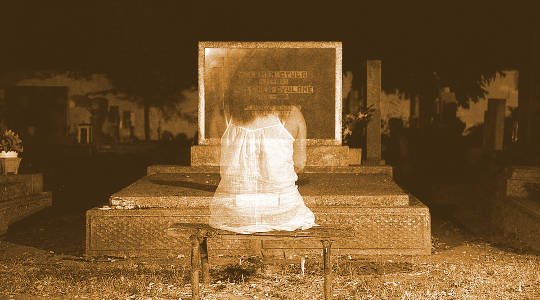 Ghosts are still to be found haunting old buildings, castles, domestic houses, prisons and just about any place of human habitation you can imagine. There are even many recorded stories of ghosts in the White House in Washington. The 16th US President Abe Lincoln has been seen by...
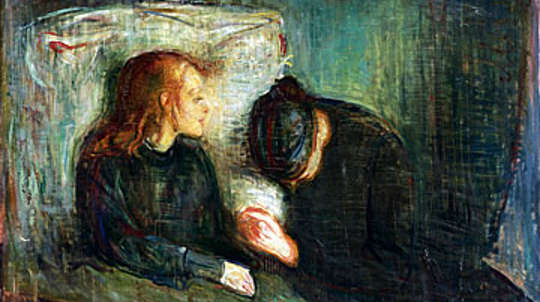 Some births happen with just a few easy pushes while others are a long, drawn out, Herculean task. The moment of death, too, is unique and can happen with gentle ease or struggle and effort. It deserves the same honor we reserve for the moment of birth whether it was a peaceful experience or a conflicted one.
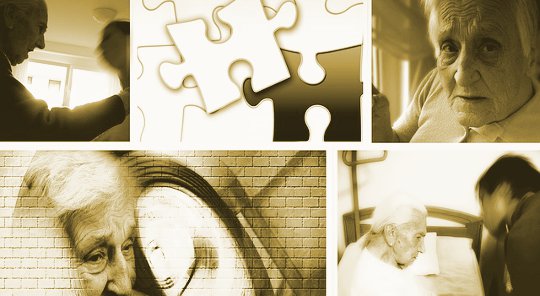
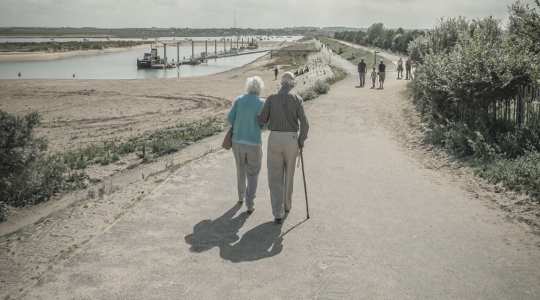 In nursing homes, older people are increasingly frail and being admitted to care later than they used to be. More than half of residents suffer from depression, yet psychiatrists and psychologists aren’t easily accessible, and pastoral or spiritual care is only available in a subset of homes.
 Janelle and I first ‘met’ in 2010 when a member of her family came to me for a reading. After this particular reading I overflowed with compassion, feeling the pain of those who believe they have lost their loved ones forever.
 Old age is a time of many challenges. Retirement brings opportunities, but for many people it also results in loss of role and income. Loved ones may die, leading to the need to grieve and reconstruct life, sometimes without a partner of many years. In advanced old age, physical and mental frailty may lead to further loss of role and greater dependence on others.
 In this excerpt from the beginning of her book, author Steffany Barton explains her perspective on suicide, one that she has come to since a dear friend of hers took his life. Steffany’s search for answers and understanding has been a long often painful but ultimately rewarding journey.
 I have never liked hospitals but suddenly I began to appreciate the safety and stability it brought my family and I. Room 305 carried a special meaning for me, one of courage, hope, power and strength.
 Too many people go through life afraid of death, either the event itself, or facing the prospect of the unknown. My interest and research into the areas of past lives, life after death and reincarnation has totally influenced my personal views of death, and indeed of life as well.
 Loss is a wound that creates a sea change in the way we see and experience our lives. It can’t be healed in our emotional body by applying a poultice of science, religion, or any other measurement. Grief is as individual as our face or our fingerprints.
 People who sense, feel, or see a light flash released from the body when a person dies are lucky, for it is an awesome thing. I have been privy to such scenes with animals as well.
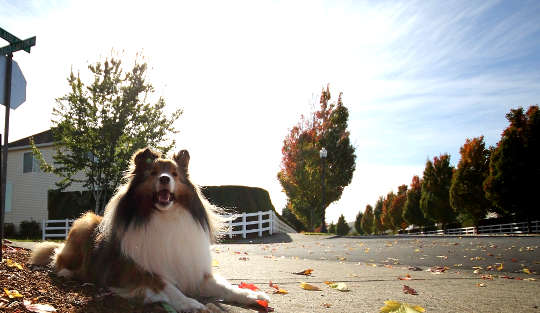 It was midnight, nearly a thousand midnights since Lucky had died, and all at once I felt his weight on my hospital bed. I had heard of it time and again, in accounts of dear animals once gone, come to touch us again. There was no body there just the belief of his weight, but I knew who it was.
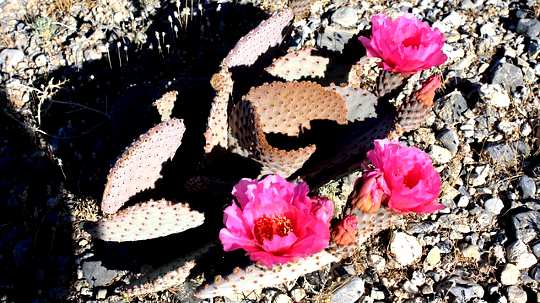 You don't have to like your losses, but the path to healing is through acceptance — a learned skill that comes only from doing. The more you courageously face your losses and accept what is, the more you will heal and the happier you will be.
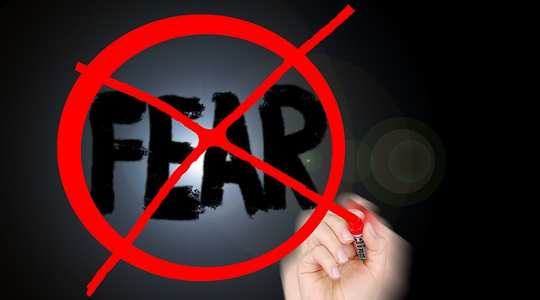 There’s an odd thing that happens to most near-death-experiencers . . . they come back from dying and they’re no longer frightened of it. Maybe the definition of Death has changed for them. It has for me! It changed because there was nothing painful, waiting for me, I didn’t even realize I had died.
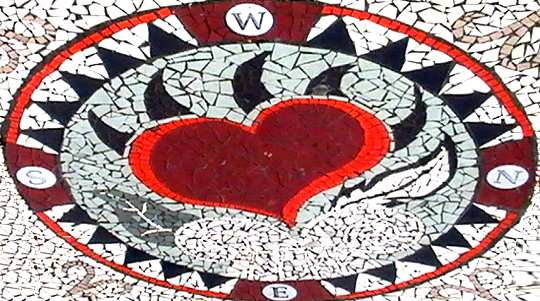 Many years after my tragedies were over and done with, and after I was happy beyond my dreams, the idea came to me to make mosaic artwork. A mosaic artist can take bits and pieces of trash and treasure and create something beautiful.
 When you return from death or near-death, a new commandment courses throughout your veins and in rhythm with your heartbeat . . . love one another. Experiencers of every stripe, tongue, culture, religion, and mindset find themselves beginning to behave in a manner as if life itself is all about love.
 At some point in our lives, we all may have to inhabit that peculiar bubble of time where we’re called upon to witness the passage of a life. It’s possibly the most difficult, but most essential, thing we have to do—showing up for an event we dread and knowing how to conduct ourselves through this unmistakably sacred time.
 Merely filling out the form is not enough. The patient’s wishes can be truly honored only if the patient and family understand the options, have the opportunity to pose questions, and trust that their wishes will be followed. In other words, POST achieves its purpose only if it is based on open and trusting relationship...

When I was three years old my brother was born. He had a heart condition, and after being in and out of hospital for the whole of his little life, he died when I was five. The time after he was gone was a long and empty period of terrible loneliness and the hollow aching of grief.

We all deal with grief in our own way. Many turn to addictions like shopping, gambling, hoarding, alcohol, drugs, eating, and even bingo. Many people I know who had been smoke-free for years started smoking again when they lost a loved one. We try to find ways to dull the pain, but they are all just temporary fixes, if even that...

The day before Billy died, a bitterly cold January morning, I ventured into the raw air. I never ask God for favors, but that morning I looked up at the silvery sky, raised my arms, and imagined pushing Billy into the hands of the great Divine. “Take care of him for me,” I whispered. Hours later, Billy was dead.
The quest for happiness often leads to frustration, as many fail to realize that the...

Reaching sixty can evoke complex emotions, blending relief with ongoing ambition. This...

The quest for life's purpose often leads to unsatisfactory answers. This article...

Romantic love is a complex emotion shaped by historical, cultural, and biological...

Imagine going through one of the most physically and emotionally demanding experiences...

Have you ever argued over something that wasn't actually said? From cultural differences...

Daily actions often conflict with personal beliefs due to past experiences. By utilizing...

Therapists often use dream interpretation to delve into patients' emotions, but true...