
Happiness & Success
Achieving Happiness Through Acceptance of Life
The quest for happiness often leads to frustration, as many fail to realize that the...









Death is the great mystery of life. That is one of the reasons why the stories of those who have undergone a near-death experience (NDE) have captivated millions of people. We are curious about the afterlife, but more so, we want to know what it feels like to die.

There is much you can do to prepare yourself for the great adventure of death. But it is well to remember that you are alive, and as such, you are meant to live. Avoid the tendency to become preoccupied or obsessed with death. Keep death in perspective with other major life events.

Grief is a bittersweet emotion. Even though it hurts we subconsciously long for the grief to continue. We are willing to put up with the pain if we can still have the remnants, at least, of a loved one who now exists only in memory. We want the connection without the pain, but the two coexist.
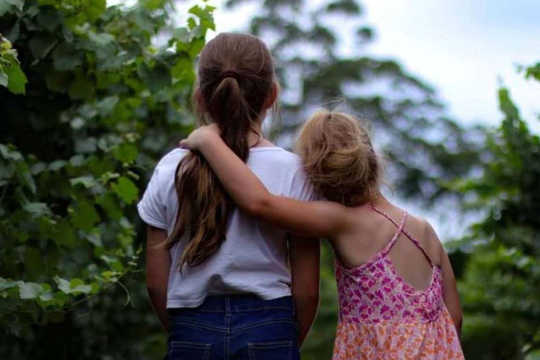
It’s important to realize that everyone’s process — everyone’s sense of tragedy, loss, and grief — will be different. Some feel as if they are going crazy, or they feel absolutely lost. Some find handrails — like faith, community, a spouse — that keep them grounded. There is no one way.

The Living Sea of Waking Dreams, Richard Flanagan’s eighth novel, is one of a slew of novels one expects to emerge from the shadow of the 2019–2020 bushfire season that darkened the skies of eastern Australia for weeks on end...

Movies that suck for an hour then end well are remembered as good movies. Those that are decent for an hour but suck at the end take their place in history as bad movies. So, how is your life going to end?

Intention is the ability to decide what it is we want to achieve and then setting out to achieve that goal. We use the power of intention in business, politics, and education. Can we use it in healing our pain?

Grief is a natural reaction to loss and is something each of us will go through at some point in our lives, whether it is due to the loss of a loved one, a job, or even a belief. When something we love is taken away, grief is our natural, suffering-based response, which can affect not only our emotions, but also our physical and mental health.
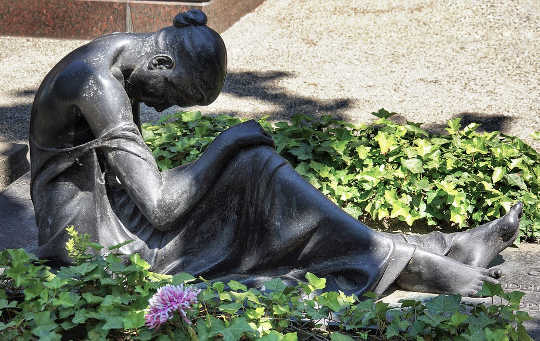
It’s hard to predict events in the final days and hours of a person’s life. Some deaths are wonderful – a gentle decline preceding a gracious demise.

Soon after we found out Anthony had died I was showering and could hear him screaming at me... I’m OK, Ma! I’m OK! The shock hit me. A glass wall separated us and he was screaming for me to hear him.
When someone comes to me with a particular dis-ease or ailment, that they want to eliminate, my first feeling is to cure them – to relieve them of all pain. That isn’t always the case however. Sometimes the healing that takes place, within a certain human being, is not exactly the way you perceive it to be. Let me explain what I mean by this...
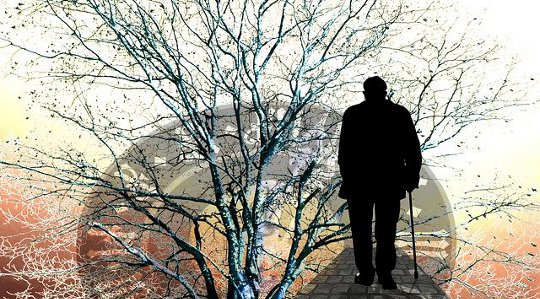
When faced with the death or serious illness of a loved one — whether a parent, son or daughter, spouse, or long-time friend — we are almost always shaken, often to the core. When the death is unexpected or sudden, our grief, anger, and confusion can be overwhelming...
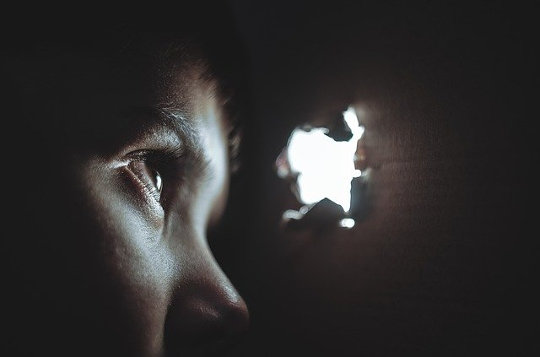
In the Western world, we are not very good at talking about death. It’s almost as if it has become a taboo subject. One of the ways we demonstrate our uncomfortableness on this subject is to use euphemisms for death.
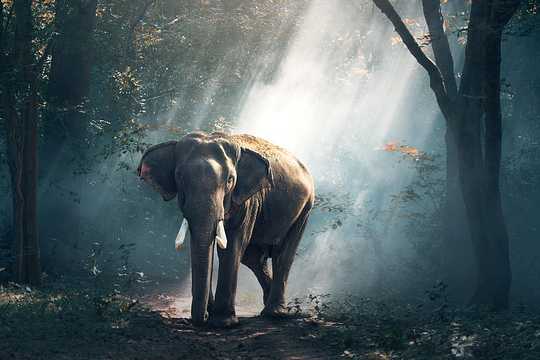
Humans often spend an inordinate amount of time and energy avoiding the fact that there is an elephant in the room. This phrase refers to an important topic which everyone is aware of but which isn’t discussed due to the topic being perceived as uncomfortable to talk about.
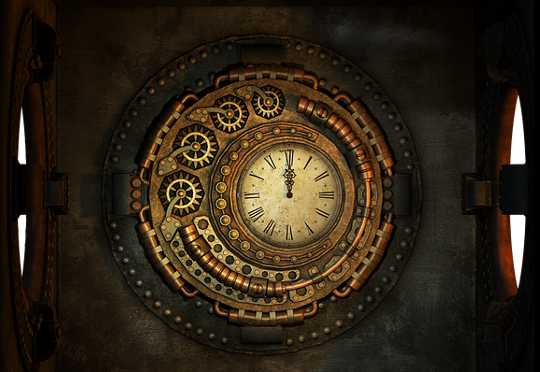
Consider a challenge you may now perceive - a financial struggle, relationship issue, or health problem. If you regard these matters as troubles or you feel smaller than them, that is what they will become. Yet with but a slight shift in perspective, they become opportunities to shine.
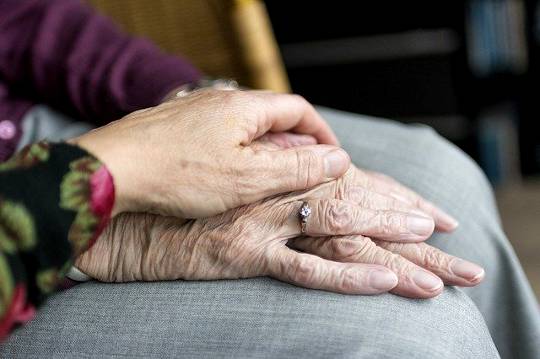
My mother, my great encourager and supporter, listened patiently as I read her the last chapter of this book, and she did what every daughter prays for at such a moment. She cried and then looked at me with an expression of such admiration and pride. As my mother gave me this gift, she asked a question that would give me one more...
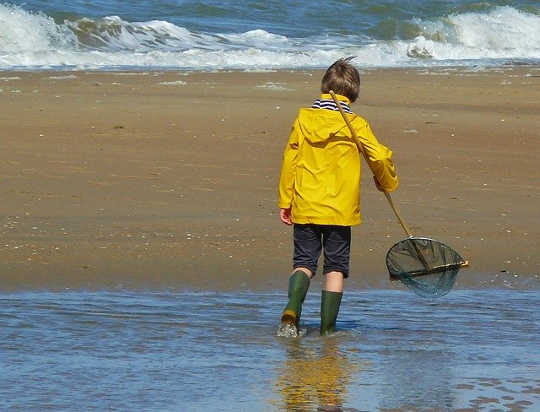
While speaking to a friend who has recently 'lost' a dear one to death, I was reminded that we sometimes don't feel comfortable around such situations. The thoughts come up: 'What do I say? How can I make her feel better? Is it better to speak or to be silent?'
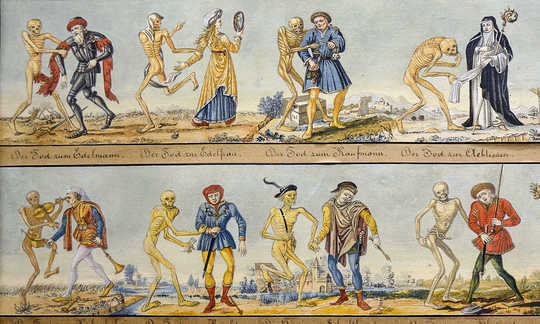
‘Despite all our medical advances,’ my friend Jason used to quip, ‘the mortality rate has remained constant – one per person.’

“How can someone stop thinking about his or her dead parents? Is this really possible?” Mirka, by email.

As we’ve had to give up our normal lives for the foreseeable future, many of us are also feeling a type of grief similar to mourning the death of a loved one. The coronavirus has caused the death of a way of life we were used to.

My grandma was dying. I was afraid. I was afraid of death. I was afraid to be with her when she died. I was afraid of all the grief I was going to feel. And I was afraid of everyone else's pain, too. I knew I could stay in California and let her die without me, but I couldn't do that...
The quest for happiness often leads to frustration, as many fail to realize that the...

Reaching sixty can evoke complex emotions, blending relief with ongoing ambition. This...

The quest for life's purpose often leads to unsatisfactory answers. This article...

Romantic love is a complex emotion shaped by historical, cultural, and biological...

Imagine going through one of the most physically and emotionally demanding experiences...

Have you ever argued over something that wasn't actually said? From cultural differences...

Daily actions often conflict with personal beliefs due to past experiences. By utilizing...

Therapists often use dream interpretation to delve into patients' emotions, but true...