
Culture Wars
Monkey See, Monkey Do: How Corruption, Inequality, and Self-Interest Threaten Civilization
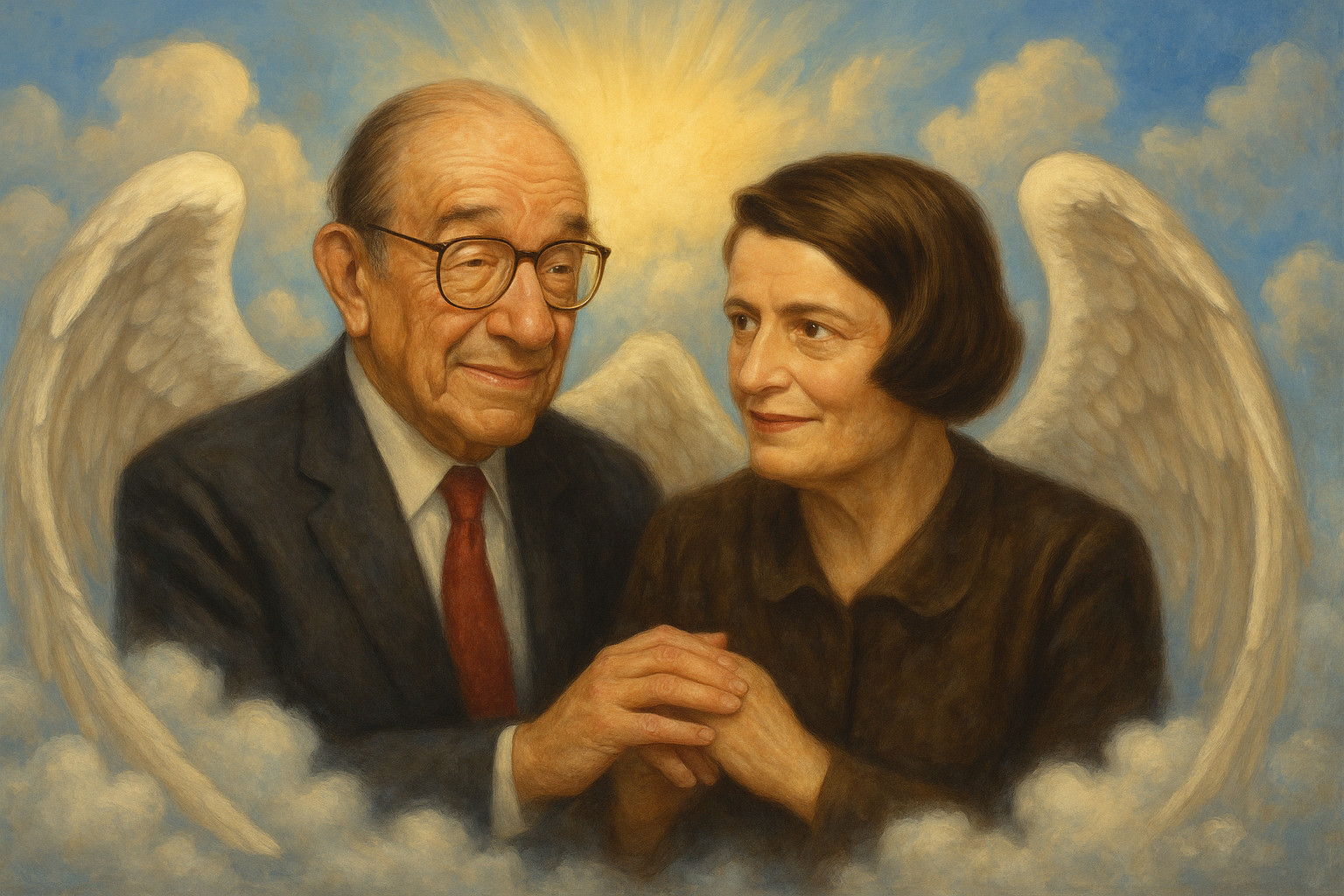
Alan Greenspan spent decades as the most powerful economist on earth, genuflecting at the altar of Ayn Rand and insisting that banks would regulate themselves because...









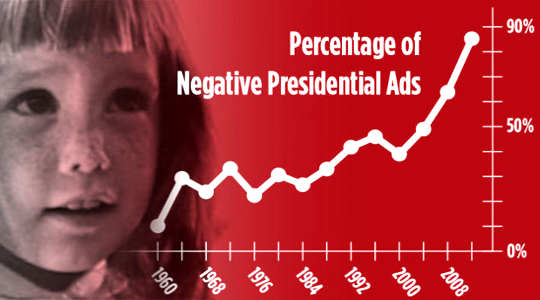 It was a contentious campaign, with charges of sexual misconduct, corruption, and greed. One candidate was labeled a criminal, the other a coward. Personal attacks came on a daily basis.
 It's time to throw off our self-imposed shackles of Washington lobbyists and billionaire oligarchs, of wall street greed and corporate malfeasance, and of neocons, neoliberals, and political hacks to empower our lost unified American spirit.
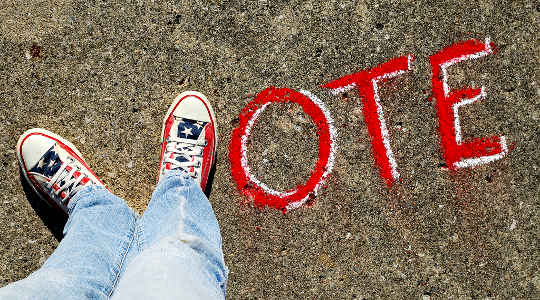 Yes, we know! We're all tired of hearing about the elections. However, that doesn't make it less important. It's coming to a close this Tuesday, November 8th 2016, and some people are still "on the fence". Not only do they not know who they will vote for, but they don't know if they're even going to vote.
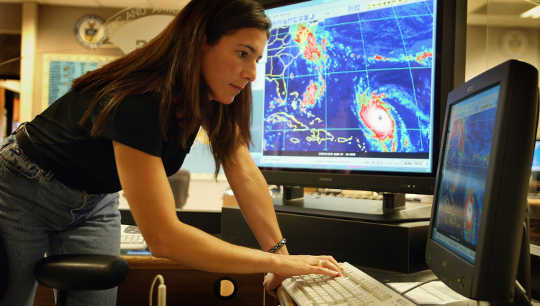 Hurricane and tropical storm development from three million years ago might give today’s forecasters a good blueprint for 21st-century storms.
 Populism is on the rise around the world. Why is this happening? The following dossier of brief contributions by leading global scholars and analysts of populism asks: why are the peddlers of populism proving so popular?
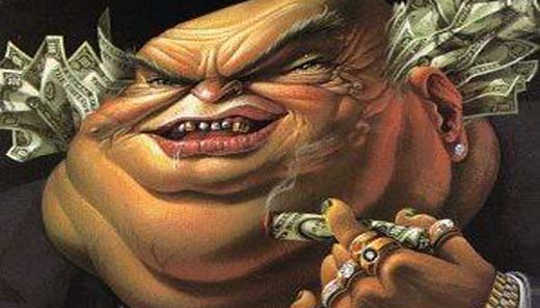 The parallels are striking. In the last decades of the nineteenth century – the so-called “Gilded Age”— America experienced inequality on a scale it had never before seen, combining wild opulence and searing poverty.
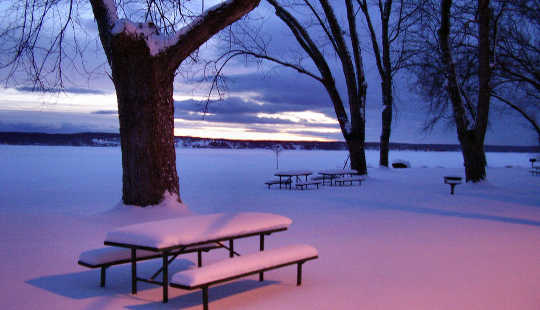 Scientists now agree: warmer weather in the Arctic and a wavy jet stream are influencing winter weather in the UK and US.
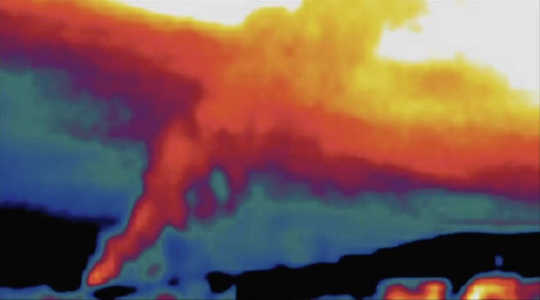 The bulk of methane emissions in the United States can be traced to a small number of “super-emitting” natural gas wells.
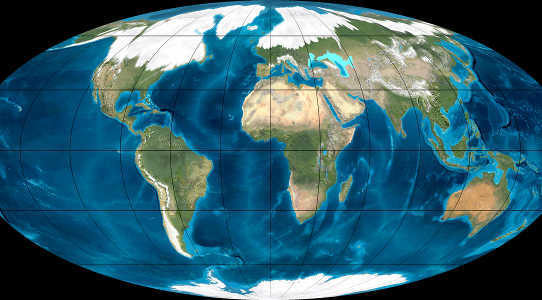 Ice ages on Earth used to occur at intervals of every 40,000 years. But at a point about a million years ago, ice age intervals switched to every 100,000 years.
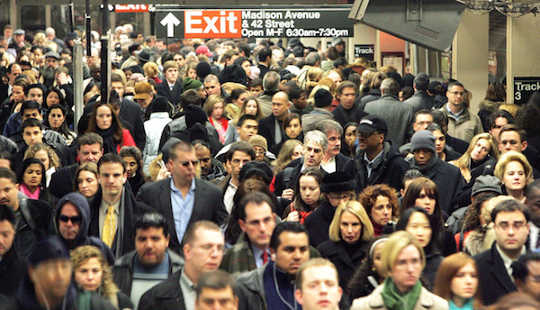 In all parts of the United States, the number of neighborhoods that are home to a mix of black, white, Asian, and Hispanic residents is growing.
 Now that the Presidential election is over, we can start to think about what life is going to be like after Tuesday, November 8th. This election season has not only been tough for our country, but also has wreaked havoc on many of our personal relationships.
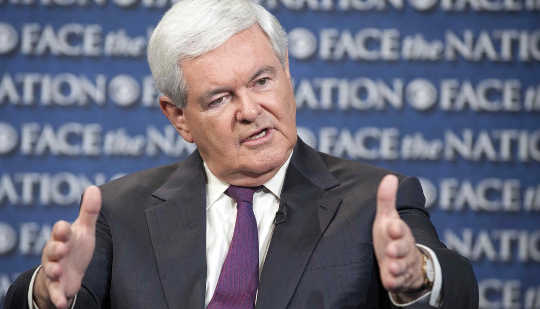 Donald Trump’s warning that he might not accept the results of the presidential election exemplifies his approach to everything: Do whatever it takes to win, even if that means undermining the integrity of the entire system.
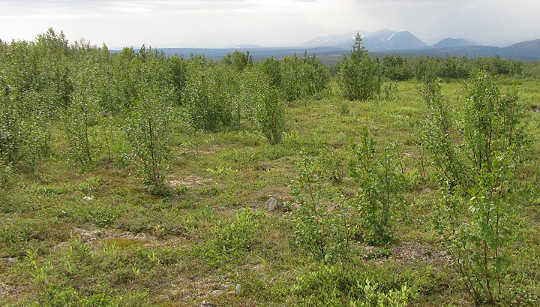 NOAA’s National Centers for Environmental Information (and several other institutions) reported April 2016 to be the
 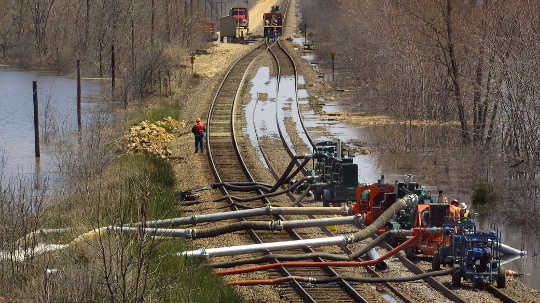 Educating rural communities can help them prevent permanent damage to the environment. There is a common misconception that you can’t talk about climate change in rural communities because the issue is considered too polarizing...
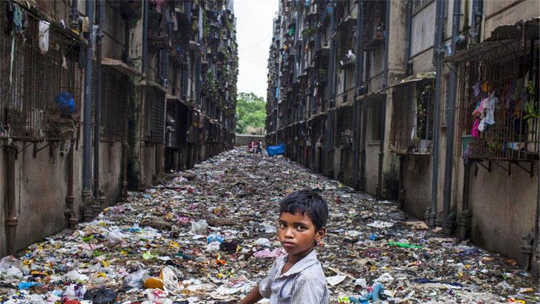 Public health experts say one of the problems associated with living in a slum—too many people in close proximity—can be a benefit. A single intervention can simultaneously improve many lives in one densely packed community. They call it the “neighborhood effect.”
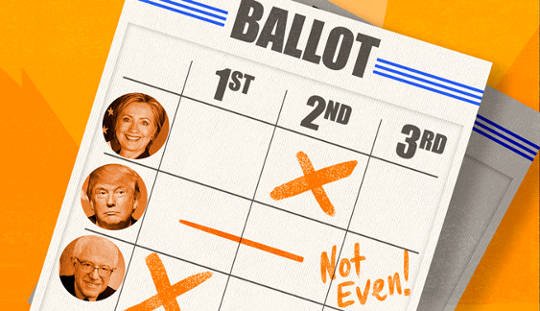 Ranked-choice voting is catching on, and Maine might become the first state to help citizens vote for candidates they actually want.
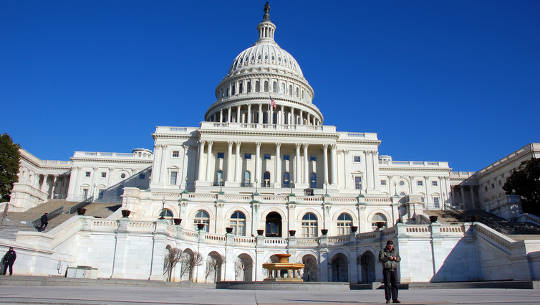 Elections normally decide who is to govern. This upcoming election is about the very legitimacy of the system.
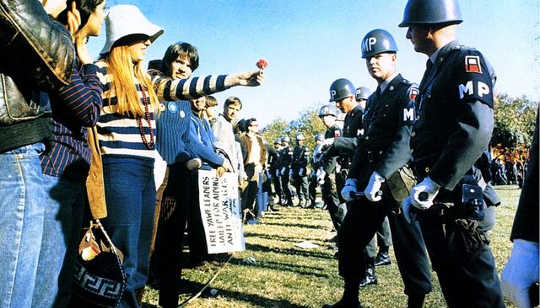 When I was a student at Princeton University I learned from my anthropology studies that the concentration of power in the hands of the few is common to all cultures, societies, nations, tribes, cities, towns, and villages.
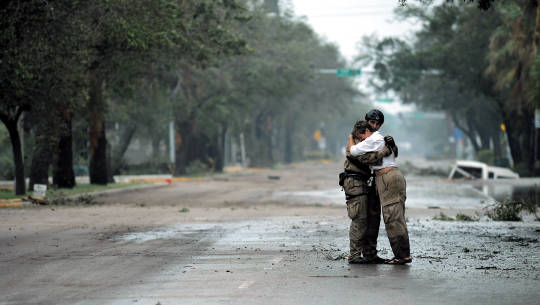 The destructive nature of Hurricane Matthew—which resulted in hundreds of deaths in Haiti, dozens more in the US, and extensive damage still being assessed—was a test of strength in communications systems, infrastructure, and ultimately the resilience of communities.
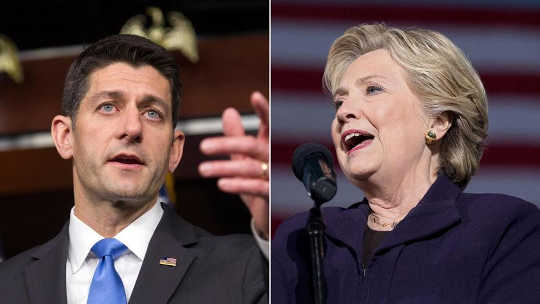 Hillary Clinton won’t be the only winner when Donald Trump and his fellow haters are defeated on Election Day (as looks increasingly likely). Another will be Paul Ryan, who will rule the Republican roost.
 Culture is the result of thousands, upon millions, upon billions of tiny, mundane choices made by individuals. We are embedded in our culture. We participate in its creation through a thousand quotidian decisions...






