

Culture Wars
Monkey See, Monkey Do: How Corruption, Inequality, and Self-Interest Threaten Civilization
Alan Greenspan spent decades as the most powerful economist on earth, genuflecting at the altar of Ayn Rand and insisting that banks would regulate themselves because...










 We are witnessing a crisis of representative democracy in most European countries. As I argued in “On the Political”, this is the outcome of the “consensus at the centre” established under the neoliberal hegemony between centre-right and centre-left parties.
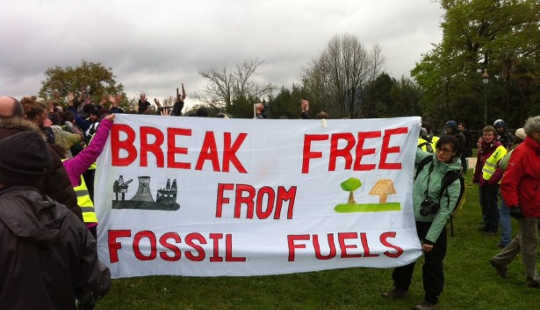 For two weeks this May, organizers across 12 countries will participate in Break Free 2016, an open-source invitation to encourage “more action to keep fossil fuels in the ground and an acceleration in the just transition to 100 percent renewable energy.”
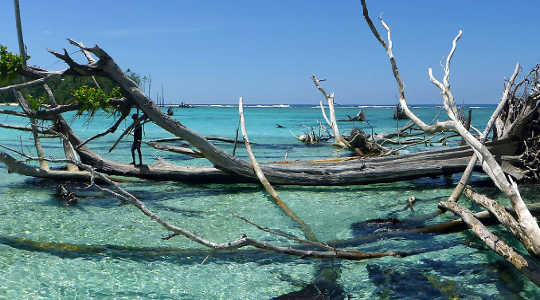 Sea-level rise, erosion and coastal flooding are some of the greatest challenges facing humanity from climate change.
 Any election demands knowledge, attention and wisdom from the whole electorate. When a campaign season does not seem to be going well, there’s often angst about whether the public has been sufficiently educated.
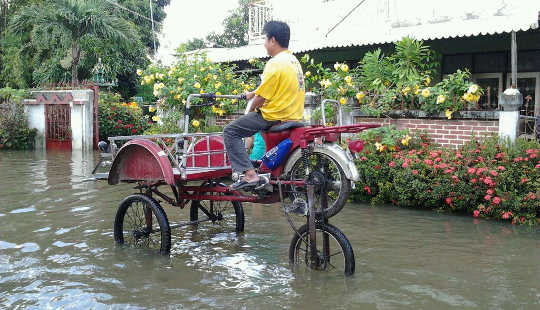 One of the biggest threats to a thriving world today is that the world’s poorest people face disproportionate risk from climate change. The World Bank’s Turn Down the Heat report notes that climate change threatens to erode progress made on reducing poverty.
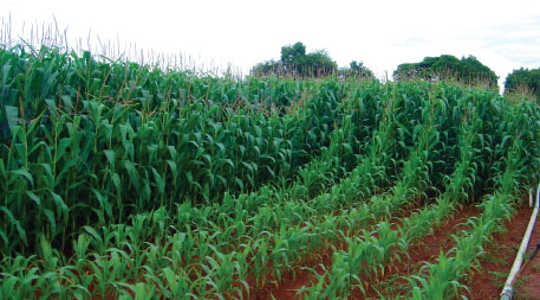 Eric Roy says he is not worried that the world is going to "run out" of phosphorus. Rather, food security could become more vulnerable to geopolitical dynamics and the volatility of phosphate rock prices.
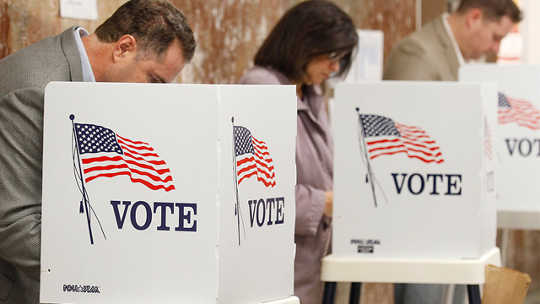 Having outlasted all his opponents, Donald Trump is the presumptive nominee of the Republican Party. Hillary Clinton is closing in on locking up the Democratic nomination.
 The four key elements of ethnic culture respondents mentioned were language, food, holiday celebrations, and values. As Kelly H. Chong investigated how the couples sought to preserve ethnic traditions, food and holiday celebrations were the only cultural elements passed down among generations in a concrete way.
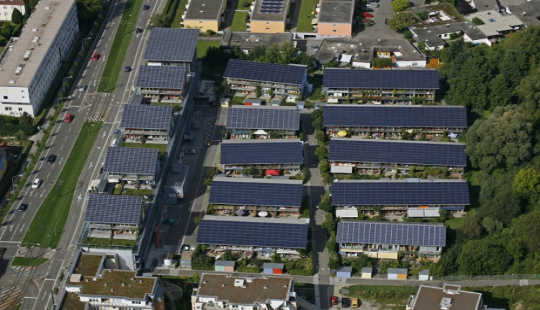 On Sunday, for a brief, shining moment, renewable power output in Germany reached 90 percent of the country’s total electricity demand.
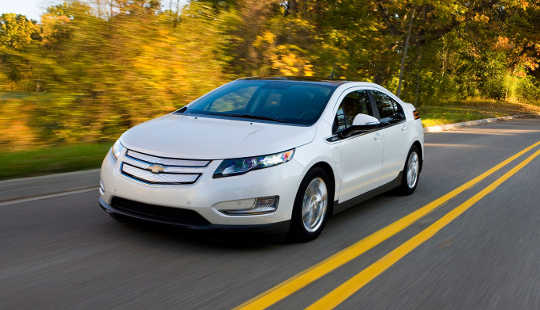 Battery costs are plummeting to levels that make EVs a truly disruptive technology, as
 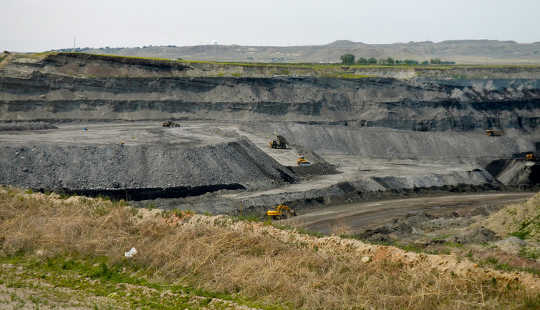 Coal’s share of the U.S. energy market is rapidly plunging. Low-cost fracking-generated natural gas has overtaken the use of coal at America’s power plants. Impending implementation of the Obama administration’s proposed Clean Power Plan, which would place stringent regulations on coal-fired power plant emissions, has also helped to drive coal production to its lowest level in decades.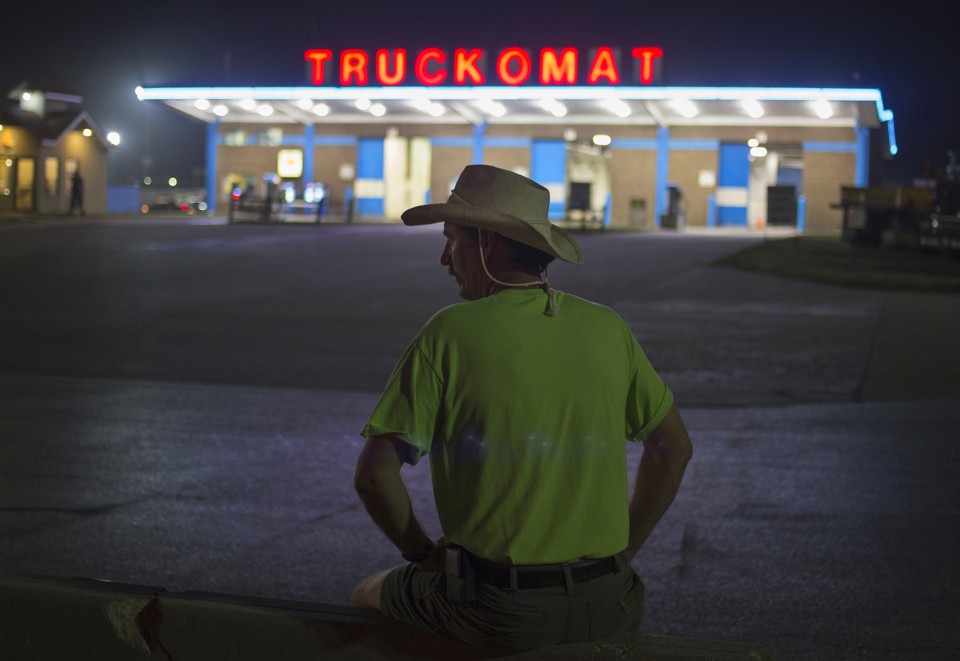
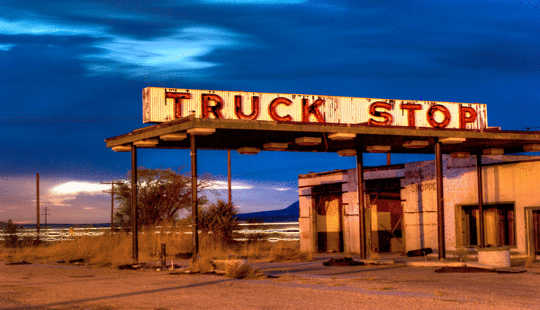
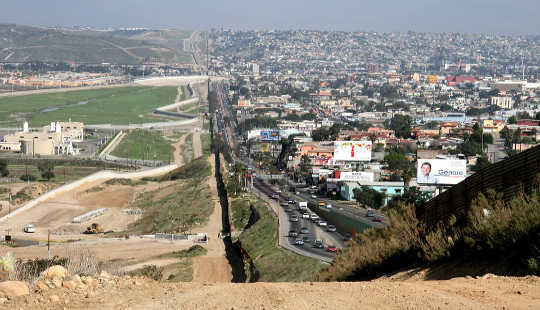 Illegal immigration to the United States has long been a subject of heated debate. Some argue that immigrants take jobs away from Americans, commit crimes, traffic drugs and unduly strain social welfare programs but pay no taxes.
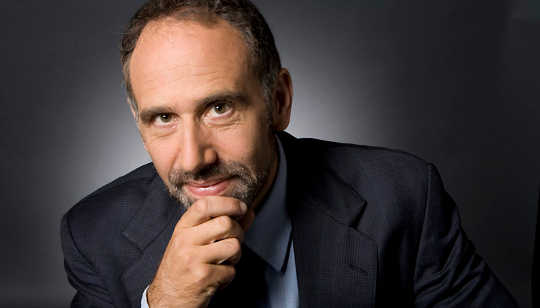 I see Greg Mankiw used his NYT column to tell folks that politicians are spinning tales when they say the economy is rigged. I would say that economists spin tales when they tell you it is not. (Mankiw and I just ran through this argument on a panel in Boston last week.) Let's quickly run through the main points.
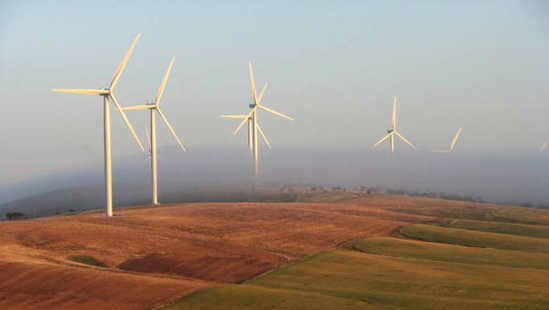 Among climate change activists, solutions usually center on a transition to renewable energy. There may be differences over whether this would be best accomplished by a carbon tax, bigger subsidies for wind and solar power, divestment from fossil fuel companies
 I’m going to let you in on a little secret about the Internet: Big cable companies hate it. That’s a bad thing because for most Americans big cable companies are the on-ramps to the wired world.
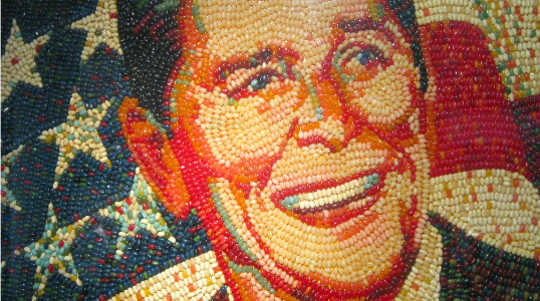 Now that Donald Trump is the presumptive Republican presidential nominee, we are likely to get all sorts of mainstream media analysis about how his narrow pathway to Election Day victory runs through white working-class America, the way Ronald Reagan’s did, while the presumptive Democratic nominee, Hillary Clinton, must corral young people, minorities and the well-educated.
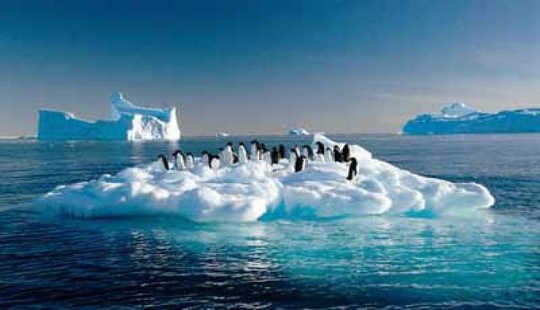 The title of this piece should instead be: how to weather the next few years of stupid politics over climate change while watching the oceans rise, acidify, and lose oxygen, and while watching extreme drought, forest fires, and weather slap us upside the head.
 Cities and states fork over an estimated $70 billion each year to large companies that don’t need public assistance to thrive. We could spend that money on our own neighborhoods.
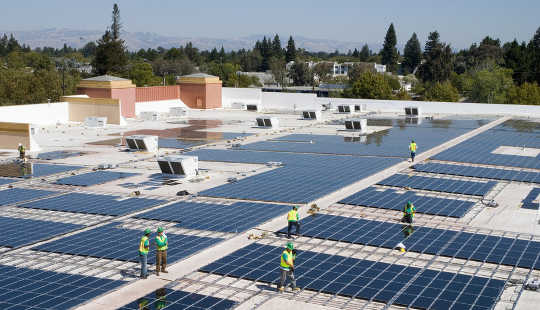 Global demand for energy is increasing by the hour as developing countries move toward industrialization. Experts estimate that by the year 2050, worldwide demand for electricity may reach 30 terawatts (TW). For perspective, one terawatt is roughly equal to the power of 1.3 billion horses.






