
Happiness & Success
Achieving Happiness Through Acceptance of Life
The quest for happiness often leads to frustration, as many fail to realize that the...








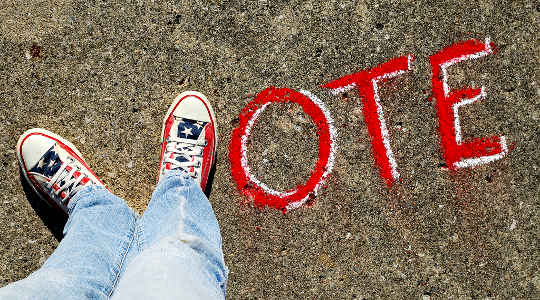 Yes, we know! We're all tired of hearing about the elections. However, that doesn't make it less important. It's coming to a close this Tuesday, November 8th 2016, and some people are still "on the fence". Not only do they not know who they will vote for, but they don't know if they're even going to vote.
 Populism is on the rise around the world. Why is this happening? The following dossier of brief contributions by leading global scholars and analysts of populism asks: why are the peddlers of populism proving so popular?
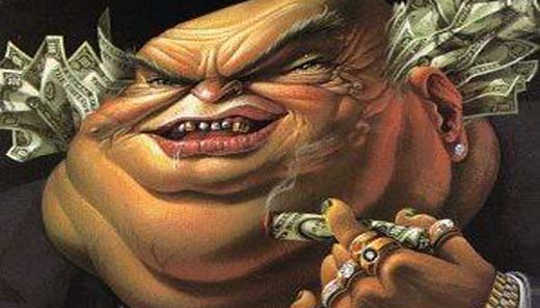 The parallels are striking. In the last decades of the nineteenth century – the so-called “Gilded Age”— America experienced inequality on a scale it had never before seen, combining wild opulence and searing poverty.
 Now that the Presidential election is over, we can start to think about what life is going to be like after Tuesday, November 8th. This election season has not only been tough for our country, but also has wreaked havoc on many of our personal relationships.
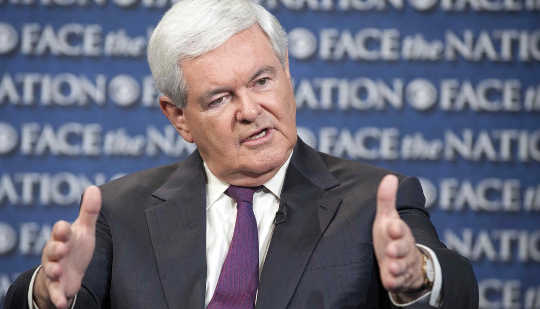 Donald Trump’s warning that he might not accept the results of the presidential election exemplifies his approach to everything: Do whatever it takes to win, even if that means undermining the integrity of the entire system.
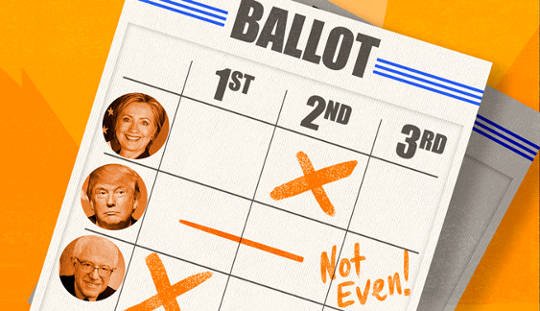 Ranked-choice voting is catching on, and Maine might become the first state to help citizens vote for candidates they actually want.
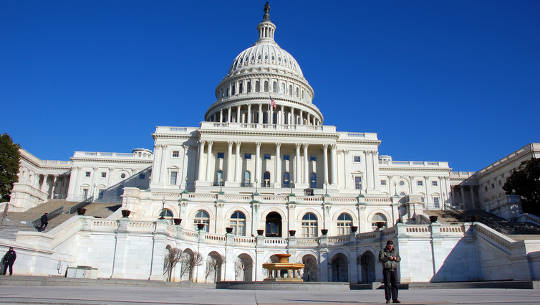 Elections normally decide who is to govern. This upcoming election is about the very legitimacy of the system.
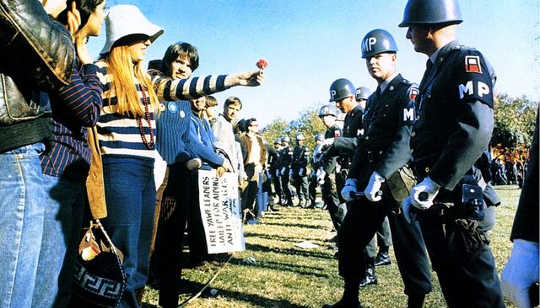 When I was a student at Princeton University I learned from my anthropology studies that the concentration of power in the hands of the few is common to all cultures, societies, nations, tribes, cities, towns, and villages.
 Hillary Clinton won’t be the only winner when Donald Trump and his fellow haters are defeated on Election Day (as looks increasingly likely). Another will be Paul Ryan, who will rule the Republican roost.
 Culture is the result of thousands, upon millions, upon billions of tiny, mundane choices made by individuals. We are embedded in our culture. We participate in its creation through a thousand quotidian decisions...
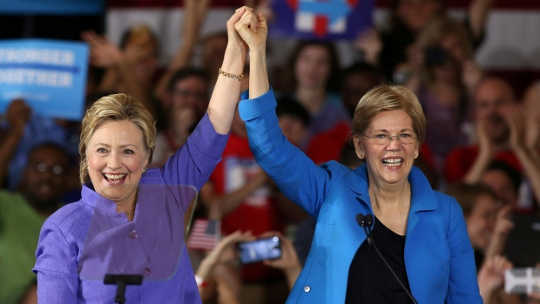 I continue to hear from many people who call themselves progressives or liberals, but tell me they won’t vote for Hillary Clinton in the upcoming election.
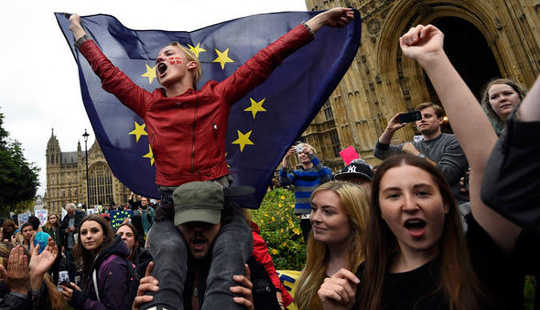 As the Brexit debate deteriorates in quality at an alarming rate, it appears that any hope of Britain returning to its democratic senses is receding fast.
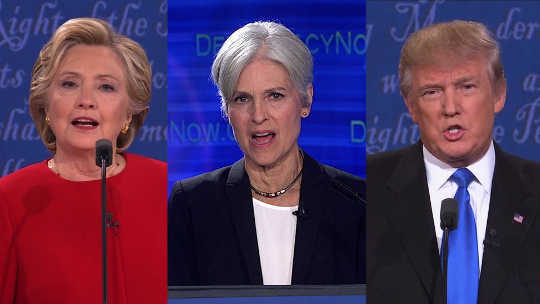
What is the most important—yet neglected—issue in the political debate? Hint: It isn’t the ideal body weight of Miss Universe.
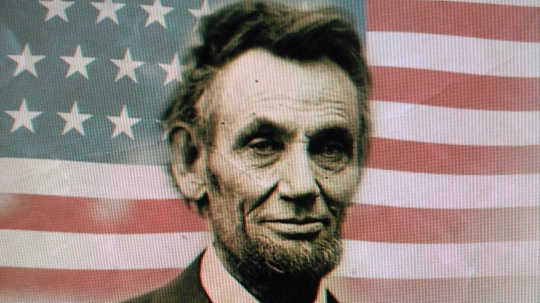 When two politics professors compared how historians rate presidents against the number of Americans who died in wars fought during those presidents’ terms, they noticed a troubling pattern
 It would be wrong to ignore the psychological, social and political damage this poisonous election is causing. When the movement called Citizen Therapists Against Trumpism, an effort to awaken therapists to their public responsibilities.
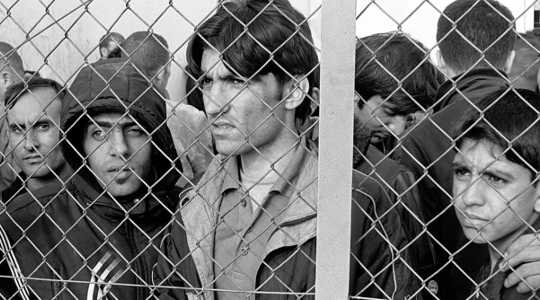 Is there something about the deep logic of democracy that destines it to succeed in the world? Democracy, the form of politics that includes everyone as equals – does it perhaps suit human nature better than the alternatives?
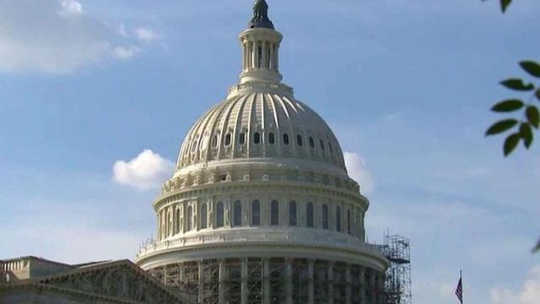 The Clinton campaign is relentlessly focusing on the defects of Donald Trump rather than the defects of the Republican agenda. That’s understandable, and it could be a winning strategy. But it has pitfalls.
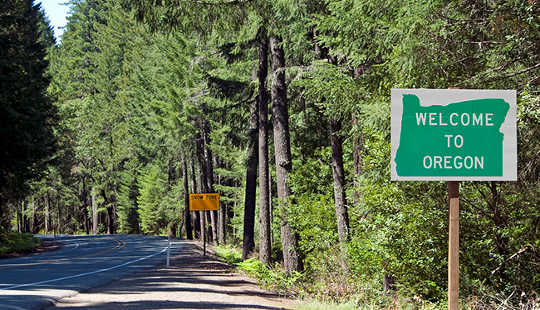 Charles Tso is an urban planner who moved to Portland, Ore., from California more than a year ago. An avid biker, the 26-year-old doesn’t own a car and seldom drives.
 Washington doesn’t think very highly of the American people, a study of 850 non-elected officials and others working in the nation’s capital concludes.
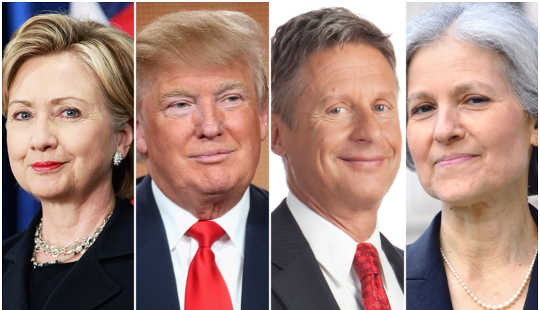 How do voters select a candidate when no one they like is on the ballot?
 The vast majority of pundits declared Hillary Clinton the decisive winner of this week’s debate.
The quest for happiness often leads to frustration, as many fail to realize that the...

Reaching sixty can evoke complex emotions, blending relief with ongoing ambition. This...

The quest for life's purpose often leads to unsatisfactory answers. This article...

Romantic love is a complex emotion shaped by historical, cultural, and biological...

Imagine going through one of the most physically and emotionally demanding experiences...

Have you ever argued over something that wasn't actually said? From cultural differences...

Daily actions often conflict with personal beliefs due to past experiences. By utilizing...

Therapists often use dream interpretation to delve into patients' emotions, but true...