
Happiness & Success
Achieving Happiness Through Acceptance of Life
The quest for happiness often leads to frustration, as many fail to realize that the...








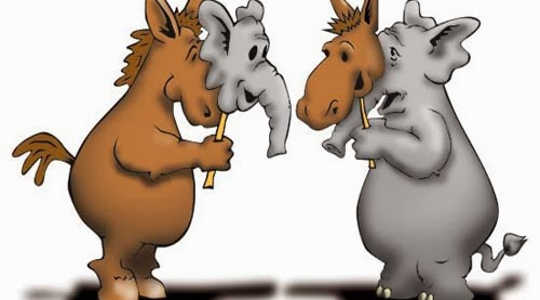 This year, much interest is focused on what The Economist calls drawbridge politics. Voters who believe in leaving the drawbridge down, so to speak, see opportunities in open borders for immigrants and trade.
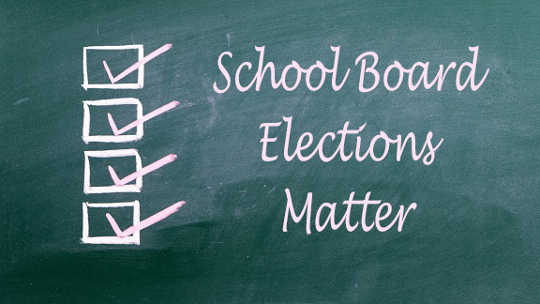 Local school board elections increasingly are becoming national political battlegrounds, as millions of dollars in campaign cash pours in from out-of-state donors in the name of education reform.
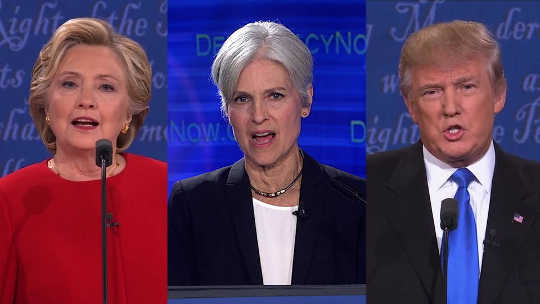 Excerpts from the presidential debate and get response from Green Party presidential nominee Dr. Jill Stein.
 Years ago, when I first started teaching and was at Syracuse University, one of my students ran for student body president on the tongue-in-cheek platform “Issues are Tissues, without a T.”
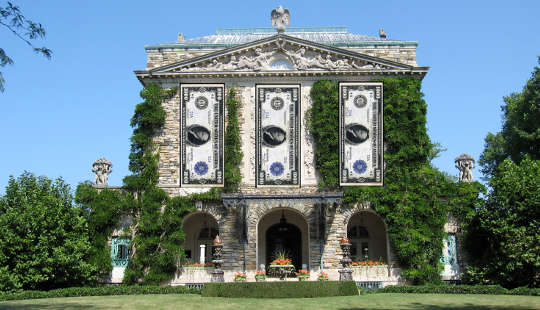 Sixty-six years ago this summer, on my 16th birthday, I went to work for the daily newspaper in the small East Texas town of Marshall where I grew up. It was a good place to be a cub reporter
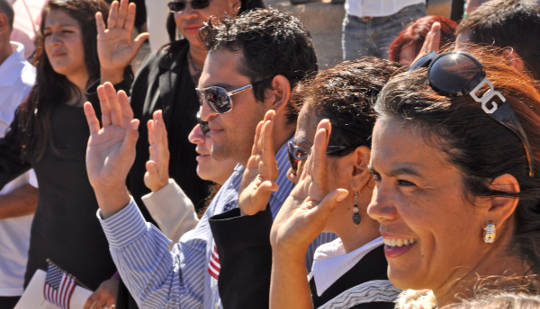 Hispanics are the largest ethnic minority group in the United States, and their concerns will have a major impact on the 2016 presidential election.
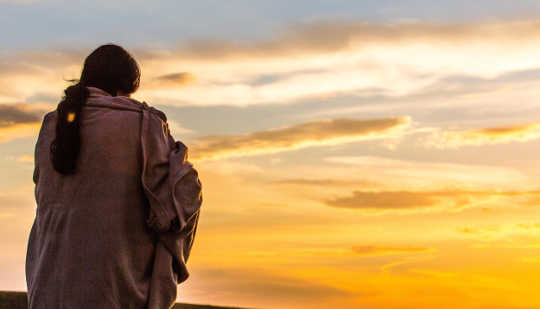 Over the past month, thousands of protesters, including Native Americans from more than 100 tribes across the country, have traveled to North Dakota to help the Standing Rock Sioux Tribe block the Dakota Access Pipeline from being built.
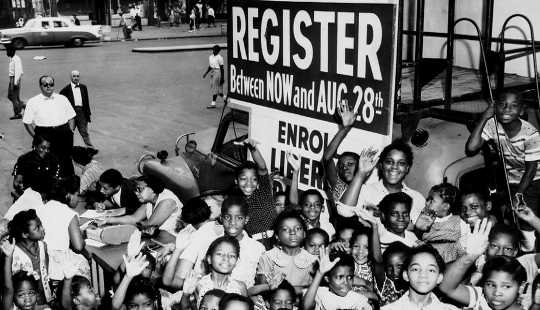 This fall, we are faced with the question of who will become president. And equally important – who can vote?
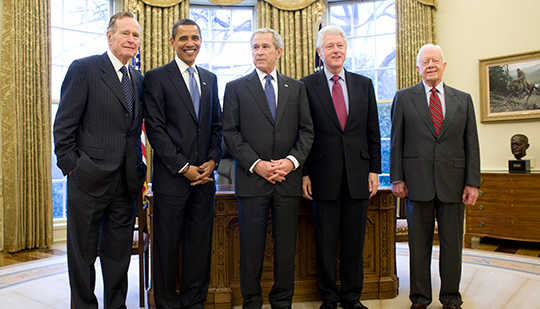 Historian Jack Rakove says that the presidency has emerged as the strongest of all three branches of the US government, due to partisanship in Congress.
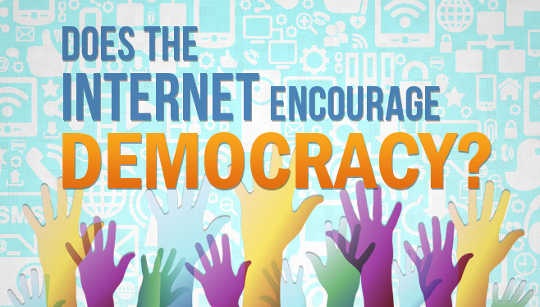 The internet has rewired civil society, propelling collective action into a radically new dimension. Democracy is now not only exercised at the ballot box, but lived and experienced online on a day-to-day basis.
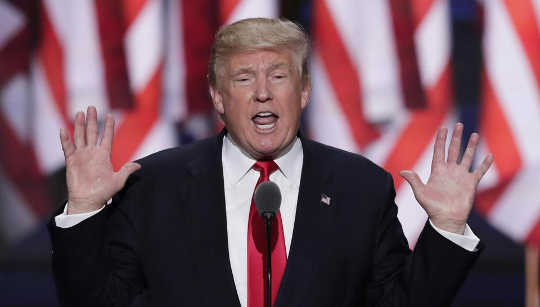 Republican presidential candidate Donald Trump seems willing to reach beyond what has been previously acceptable in his quest to be America’s next president.
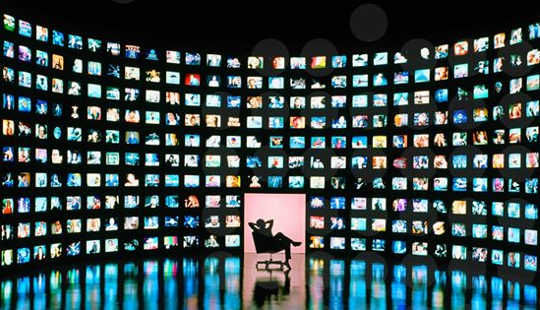 This ad in The Washington Post jumped out at me. In one tight photograph, it quickly telegraphs what’s wrong with the news media today and why the audience isn’t growing.
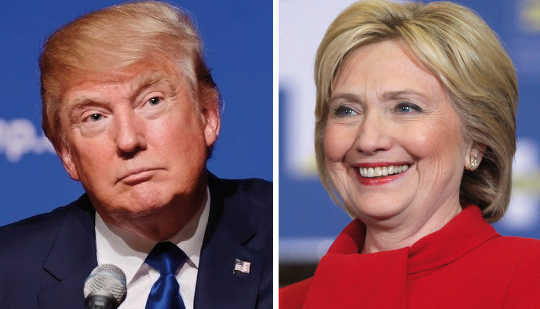 In a US presidential election year, Labor Day (the first Monday of September) marks the traditional start of what the Americans call the “fall campaign”.
 From media and money to political polarization, the 2016 United States presidential election is rewriting the rules of the game, says Nate Persily, a law professor of law at Stanford University.
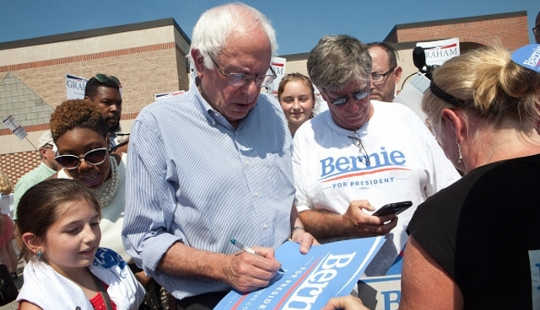 From Washington state to South Dakota, voters are pushing for public-matching systems to replace the influence wealthy bankrollers have on government.
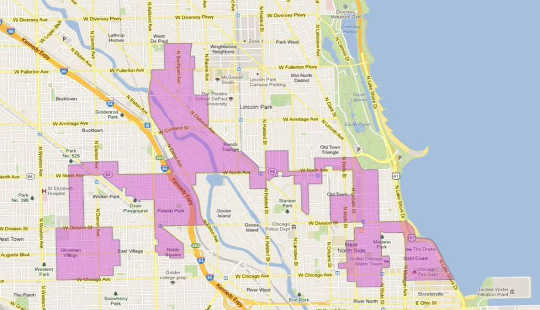 Hillary Clinton has put the Electoral College into checkmate. She’s closer to Donald Trump in many red states like Kansas and Texas than he is to her in key swing states.
 On Election Day, what do you do if you were a die-hard Bernie Sanders fan and are now faced with a ballot that offers you a choice between Hillary Clinton and Donald Trump, whose favorability ratings are the worst among presidential candidates since CBS News and The New York Times started polling in 1984?
 There is a real possibility that hacking could affect the November presidential election, warns Herbert Lin, a cyberpolicy and security expert at Stanford University warns. But, he adds, a “baseline of hacking” among countries worldwide is occurring all the time.
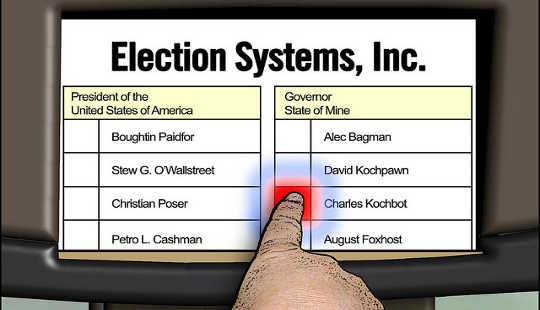 Many have speculated how a Trump victory would affect the U.S., but few have thought about the consequences of a Trump loss. After falling behind Hillary Clinton in the polls, Donald Trump has already developed a narrative for his exit: The election was rigged.
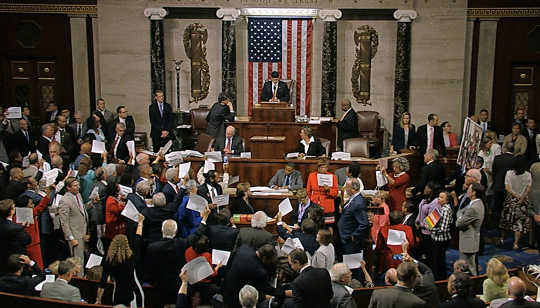 Taken as whole, with exceptions, the American people have the strangest attitude toward the Congress. Our national legislature spends nearly a quarter of our income and affects us one way or another every day of the year.
 Because a single powerful leader will draw from the rest of us powerful projections ranging from savior to devil, from healer to destroyer, I have long been interested, as a psychiatrist and Jungian psychoanalyst, in the relationship between politics, mythology and psychology. For people like me, this is our year.
The quest for happiness often leads to frustration, as many fail to realize that the...

Reaching sixty can evoke complex emotions, blending relief with ongoing ambition. This...

The quest for life's purpose often leads to unsatisfactory answers. This article...

Romantic love is a complex emotion shaped by historical, cultural, and biological...

Imagine going through one of the most physically and emotionally demanding experiences...

Have you ever argued over something that wasn't actually said? From cultural differences...

Daily actions often conflict with personal beliefs due to past experiences. By utilizing...

Therapists often use dream interpretation to delve into patients' emotions, but true...