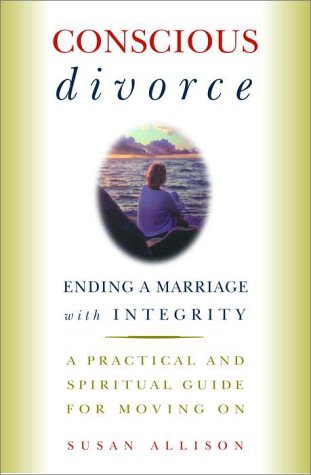









Divorce represents one of life's most challenging transitions, often accompanied by emotional turmoil, conflict, and a sense of failure. Yet what if separation could become an opportunity for conscious growth, spiritual awakening, and genuine healing rather than a battleground of blame and resentment? This transformative guide reimagines the dissolution of marriage not as an ending marked by bitterness, but as a deliberate, mindful process that honors both partners' dignity and opens pathways to deeper understanding of oneself and others.
The core premise centers on a revolutionary approach: choosing to move through separation with awareness, intention, and compassion rather than reactivity and anger. This philosophy acknowledges that while relationships may end, the way we end them shapes our emotional landscape for years to come. By bringing consciousness to the process, individuals can transform what is typically experienced as a failure or tragedy into a meaningful passage that supports healing, personal evolution, and even ongoing respect between former partners.
Readers will discover practical frameworks for examining the patterns and beliefs that have shaped their relationship. The exploration begins with honest self-inquiry about why the partnership has reached this juncture. This introspective work helps individuals move beyond blame narratives where one partner is the villain and the other is the victim. Instead, seekers learn to recognize the mutual contributions to the relationship's trajectory, understanding that both people have played active roles in creating the dynamic that no longer serves them. This perspective shift is profoundly liberating, as it returns personal power to each individual while releasing the exhausting energy required to maintain victim consciousness.
The guide addresses the multifaceted dimensions of conscious separation, including emotional, spiritual, practical, and relational aspects. Emotional work focuses on processing grief, anger, disappointment, and fear while maintaining psychological equilibrium. Readers learn techniques for sitting with difficult feelings without becoming consumed by them, distinguishing between healthy emotional expression and destructive patterns like obsessing, ruminating, or seeking revenge. The spiritual dimension invites reflection on larger life questions: What lessons is this experience meant to teach? How can this crisis become a catalyst for spiritual growth? What values do I want to embody moving forward?
Practical guidance covers navigating the logistics of separation while maintaining integrity and fairness. Rather than approaching division of assets and custody arrangements as a battle to be won, this approach encourages viewing these negotiations as opportunities to demonstrate the values one holds most dear. When individuals can approach these practical matters with fairness and genuine concern for all parties, including children and extended family, they model a different way of being in relationship. This shift reduces the adversarial energy that typically escalates conflict and often results in more creative, mutually satisfying solutions.
Perhaps most significantly, the work addresses the relational dimension of conscious separation. Many individuals discover that while a romantic partnership may be ending, a respectful, even warm relationship with their former partner can be preserved or developed. This possibility opens remarkable possibilities for co-parenting, shared community involvement, and genuine wish for each other's wellbeing. For those with children, this conscious approach directly benefits the children, who can maintain healthy relationships with both parents without being pulled into loyalty conflicts or witnessing bitter warfare.
Throughout this journey, readers will find themselves exploring questions about identity, purpose, and what they truly desire in their lives. The separation process, approached consciously, becomes a container for profound personal development. Many discover hidden strengths, reconnect with lost passions, and clarify values that had become obscured in relationship patterns. This guide supports readers in emerging from separation not as broken people recovering from failure, but as evolved individuals who have navigated a significant life transition with grace, wisdom, and growing self-knowledge. The result is not just an ended marriage, but a transformed self prepared for relationships and a life built on authenticity and conscious choice.