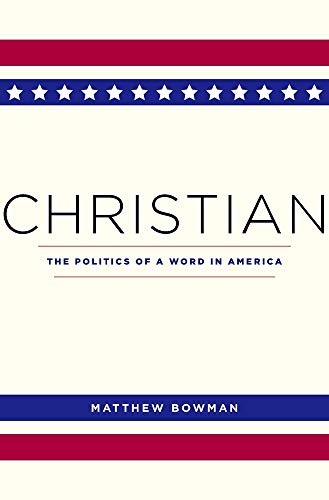















When we think about what it means to be Christian in today's world, we're engaging with a question that has shaped American culture, politics, and personal spirituality for centuries. Yet the answer to this deceptively simple question has transformed dramatically throughout history, reflecting shifts in theology, social values, and cultural consciousness that continue to influence how millions of people understand their faith and place in society.
This exploration examines how the concept of Christian identity has been constructed, contested, and reconstructed across American history. From the earliest colonial settlements through the contemporary era, the definition of what constitutes authentic Christianity has never been stable or universally agreed upon. Instead, it has been repeatedly reimagined by different communities, movements, and historical circumstances, each bringing their own understanding of what it means to follow Christ and live according to Christian principles.
The journey through these transformations reveals something profound about the nature of religious identity itself. Rather than viewing Christianity as a fixed doctrine that remains constant across time, this examination demonstrates how religious identity is actively created and recreated through social, political, and cultural processes. This insight has powerful implications for anyone seeking to understand their own spiritual journey and the spiritual landscape of contemporary America.
Throughout American history, different groups have claimed the mantle of true Christianity while dismissing others as inauthentic or misguided. Evangelicals, mainline Protestants, Catholics, and countless other communities have each articulated their own vision of what Christian faith demands and how it should be expressed in daily life. These competing visions have rarely been merely theological debates conducted in academic halls. Rather, they have shaped public policy, influenced social movements, determined who held cultural authority, and affected the lived experiences of ordinary believers trying to practice their faith authentically.
Understanding this history matters deeply for contemporary spiritual seekers. In an age of religious pluralism, declining institutional religion, and increasing personal customization of faith, many people are grappling with fundamental questions about what their religious identity means and how to live authentically according to their values. The historical perspective offered in this examination provides crucial context for understanding these contemporary questions. It demonstrates that struggles over authentic faith, tensions between tradition and innovation, and efforts to apply ancient principles to modern circumstances are not new. They are, in fact, central to how religion has functioned in American society.
For those on a spiritual journey, this historical understanding can be liberating. It reveals that no single group has ever successfully monopolized the definition of authentic Christianity, despite many attempts to do so. It shows how Christianity has proven flexible enough to address radically different historical circumstances while maintaining connection to its core teachings. For modern seekers, this suggests that personal spiritual authenticity need not mean uncritical acceptance of any single institutional or doctrinal framework. Instead, it can involve thoughtfully engaging with the rich traditions of Christian thought while allowing your own conscience, experience, and understanding to guide your faith journey.
The exploration of how Christian identity has been defined and redefined also illuminates the relationship between personal spirituality and broader social structures. Religious beliefs do not exist in a vacuum. They interact with economic systems, political movements, social hierarchies, and cultural values. By understanding how these interactions have shaped Christianity in America, readers gain insight into how their own faith commitments connect to larger social and cultural forces. This awareness can deepen spiritual practice by helping believers understand why they believe what they believe and how their faith relates to justice, community, and social responsibility.
For anyone committed to personal growth and spiritual development, grasping the complex history of Christian identity offers invaluable perspective. It invites readers to examine their own assumptions about faith, to appreciate the diversity of Christian expression, and to recognize that authentic spirituality has many forms. In our current moment of social division and religious uncertainty, this historical wisdom provides both humility and hope, suggesting that wrestling with fundamental questions about faith and identity has always been central to the Christian tradition itself.