















Happiness & Success
Achieving Happiness Through Acceptance of Life
The quest for happiness often leads to frustration, as many fail to realize that the...

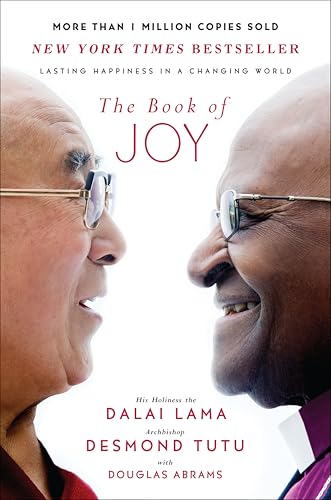
At the heart of this remarkable work lies a profound dialogue between two of the world's most beloved spiritual leaders, captured during a historic meeting in Dharamsala, India. Over the course of a week-long celebration of one leader's eightieth birthday, these two Nobel Peace Prize laureates engaged in intimate conversations about one of humanity's most essential pursuits: finding joy in the face of life's inevitable suffering and challenges.
What emerges from these conversations is a practical roadmap for cultivating lasting happiness that transcends circumstances. Rather than offering platitudes or temporary fixes, this work delves into the deep wisdom traditions of Buddhism and Christianity, revealing surprising commonalities in how these traditions understand and approach joy. The dialogue format allows readers to witness two men who have endured tremendous personal and collective suffering—exile, oppression, and the weight of leading millions—yet who radiate an unmistakable sense of joy and mischievous humor.
The framework presented distinguishes between fleeting pleasure and enduring joy, explaining why so many people struggle to find lasting contentment despite material abundance. Through personal stories, scientific research, and timeless wisdom, readers discover that joy is not something that happens to us but rather a skill that can be developed through practice and intention. The conversations identify eight pillars of joy, divided into qualities of the mind and qualities of the heart, providing a comprehensive approach to transforming one's inner life.
Read more ▼
Angela Williams Gorrell, Miroslav Volf
Breaking Free from Emotional Eating
Geneen Roth

Adrian Ross Duncan

Annie Grace
The quest for happiness often leads to frustration, as many fail to realize that the...

Reaching sixty can evoke complex emotions, blending relief with ongoing ambition. This...

The quest for life's purpose often leads to unsatisfactory answers. This article...

Romantic love is a complex emotion shaped by historical, cultural, and biological...

Imagine going through one of the most physically and emotionally demanding experiences...

Have you ever argued over something that wasn't actually said? From cultural differences...

Daily actions often conflict with personal beliefs due to past experiences. By utilizing...

Therapists often use dream interpretation to delve into patients' emotions, but true...