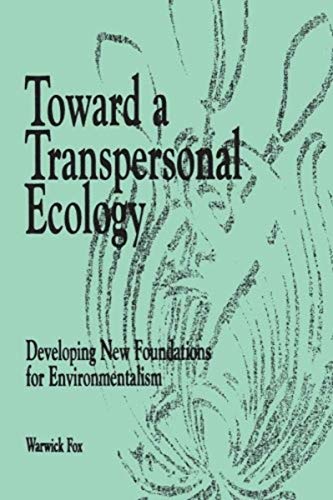












Deep within the intersection of environmental philosophy and personal transformation lies a profound exploration of how our inner psychological development directly shapes our relationship with the natural world and our capacity to engage meaningfully in democratic processes. This work represents a significant contribution to understanding how transpersonal psychology—the study of experiences that transcend individual consciousness—fundamentally reconnects us with ecological awareness and social responsibility.
The exploration begins by addressing a central paradox of modern life: despite overwhelming scientific evidence of environmental crisis, many people feel disconnected from the urgency of ecological concerns. Rather than viewing this disconnection as merely an intellectual problem requiring better arguments or facts, this perspective suggests that the issue runs deeper, touching the very foundation of how we perceive ourselves in relation to the larger living world. The fundamental premise challenges readers to examine the separation between self and nature that characterizes much of Western thought, proposing instead that genuine ecological concern emerges when we expand our sense of identity beyond the isolated individual ego.
Throughout this investigation, you'll discover how various religious, spiritual, and philosophical traditions have long recognized that human consciousness can extend beyond personal boundaries. By drawing on insights from transpersonal psychology, Eastern philosophies, indigenous wisdom traditions, and contemporary ecology, the work builds a compelling case that expanded consciousness naturally produces expanded moral concern. When we experientially understand ourselves as part of interconnected living systems rather than separate observers of nature, our environmental ethics transform from obligation into authentic expression of self-interest.
The democratic implications of this perspective are particularly relevant for contemporary readers grappling with political disengagement and social fragmentation. As political consciousness becomes increasingly polarized and individualistic, the framework presented here suggests that deeper forms of democratic participation emerge from expanded personal awareness. Citizens who have experienced transpersonal dimensions of consciousness tend to exhibit greater concern for collective wellbeing, long-term consequences of policies, and the rights of non-human beings. This perspective reframes environmental activism not as sacrifice of personal interest but as enlightened recognition of our genuine interests.
The work examines how narrow egoic consciousness perpetuates exploitative relationships with the environment and with other humans. By contrast, transpersonal experiences—whether through meditation, contemplative practice, time in nature, or other means—regularly produce shifts in consciousness where the boundaries between self and other become permeable. People who have experienced such states consistently report greater compassion, expanded moral circles, and stronger motivations for environmental protection and social justice. Rather than viewing such experiences as escapist or irrelevant to practical politics, this exploration demonstrates their radical democratic potential.
Additionally, readers will discover how the framework addresses common obstacles to environmental action, including psychological denial, despair, and the sense that individual efforts cannot matter. By connecting personal growth to ecological responsibility, this perspective offers an antidote to both naive optimism and paralyzing hopelessness. It suggests that meaningful change emerges not through guilt-driven obligation but through genuine expansion of concern that arises from transformed consciousness.
The work also carefully examines different pathways toward transpersonal ecology, recognizing that not all approaches to expanded consciousness produce equivalent results. Some spiritual traditions and practices genuinely cultivate ecological awareness, while others may promote escapism or perpetuate problematic worldviews. This discriminating analysis helps readers identify authentic pathways toward integration rather than confusion.
For citizens concerned with democracy, social justice, and environmental protection, this exploration offers essential insights into why personal transformation matters not as luxury or indulgence but as foundation for engaged democratic citizenship. The vision presented is ultimately hopeful without being naive, recognizing both the depth of current crises and the genuine human capacity for expanded consciousness and authentic care. By reconnecting personal growth with ecological awareness and democratic engagement, this philosophical exploration suggests that the revolution we need begins within and radiates outward, transforming how we participate in the world's future.