

Happiness & Success
Achieving Happiness Through Acceptance of Life
The quest for happiness often leads to frustration, as many fail to realize that the...








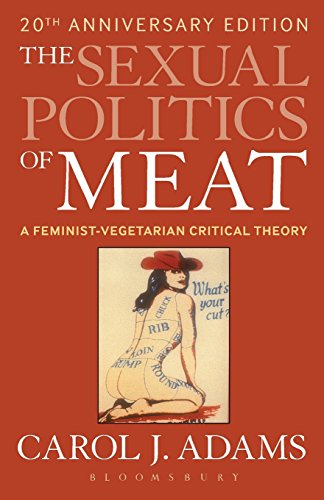
At the intersection of feminism, animal rights, and cultural criticism lies a groundbreaking exploration of how language, imagery, and consumption patterns reveal deeply embedded power structures in society. This seminal work unveils the hidden connections between the oppression of women and the exploitation of animals, demonstrating how these parallel systems of domination have been culturally normalized and made invisible through remarkably similar mechanisms.
Through meticulous cultural analysis spanning literature, advertising, art, and everyday language, readers discover how the consumption of meat has been historically linked to masculine power and virility, while vegetarianism has been feminized and trivialized. The work traces how patriarchal societies have constructed meat-eating as a male privilege and marker of dominance, creating hierarchies that justify violence against both animals and women. These connections are not merely metaphorical but embedded in the very structure of how societies organize violence, consumption, and control.
The concept of the "absent referent" serves as a crucial analytical tool throughout this examination. This process describes how animals are transformed into meat through a series of cultural practices that remove their individual identity and render their suffering invisible. Similarly, women's experiences of objectification and violence are often abstracted, fragmented, and made to disappear from view. The work demonstrates how both animals and women are turned into objects for consumption, their subjectivity erased through language and cultural practice. When we speak of "meat" rather than dead animals, or use pornographic images that fragment women's bodies, we engage in the same process of making the victim absent.
Read more ▼
The 9 Steps to Financial Freedom
Suze Orman

America's battle for media democracy
Victor W. Pickard

孙武, Stephen F. Kaufman, Lionel Giles, Onésimo Colavidas
The quest for happiness often leads to frustration, as many fail to realize that the...

Reaching sixty can evoke complex emotions, blending relief with ongoing ambition. This...

The quest for life's purpose often leads to unsatisfactory answers. This article...

Romantic love is a complex emotion shaped by historical, cultural, and biological...

Imagine going through one of the most physically and emotionally demanding experiences...

Daily actions often conflict with personal beliefs due to past experiences. By utilizing...

Have you ever argued over something that wasn't actually said? From cultural differences...

Therapists often use dream interpretation to delve into patients' emotions, but true...