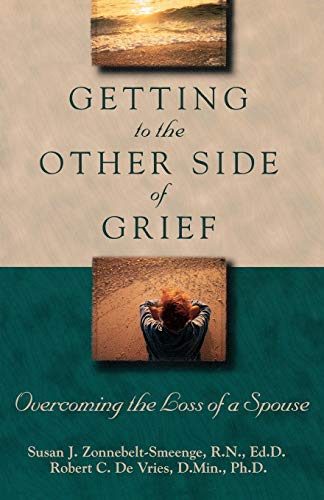











Grief is one of the most universal human experiences, yet it remains deeply personal and often misunderstood. When we lose someone we love, we enter territory that can feel simultaneously isolating and yet shared by countless others throughout human history. This transformative guide offers readers a roadmap through the dark woods of bereavement, illuminating a path that leads not to "getting over" loss, but to genuinely getting to the other side of it.
The fundamental premise here is revolutionary in its compassion: grief is not a problem to be solved or overcome, but a profound journey of the heart that requires understanding, patience, and guidance. Too many people carry the burden of believing they should "move on" quickly or that their continued pain indicates weakness or lack of faith. This exploration demolishes those harmful myths and replaces them with a framework grounded in both psychological insight and spiritual wisdom.
Readers will discover that grief follows no prescribed timeline. The journey through loss is not linear but cyclical, with moments of unexpected tears, sudden waves of longing, and surprising instances of laughter and joy all coexisting in the grieving person's experience. Understanding this reality can bring tremendous relief to those who fear they're grieving "wrong" or who worry that feeling better sometimes means they didn't truly love the person they lost.
Throughout this compassionate exploration, several key dimensions of the grieving process unfold. Readers will gain insight into the emotional landscape of loss, learning to recognize and honor the full spectrum of feelings that arise—not just sadness, but anger, guilt, confusion, and even moments of unexpected peace. These emotions are presented not as obstacles to overcome but as natural responses to the profound disruption of losing someone central to our lives.
The guide also addresses the physical manifestations of grief, acknowledging that loss affects our bodies as much as our hearts and minds. Sleep disturbances, changes in appetite, exhaustion, and a general sense of physical heaviness are explored as legitimate aspects of bereavement rather than symptoms of illness requiring suppression.
One particularly valuable dimension involves the social and relational aspects of grieving. Readers will learn how to navigate conversations with others, how to communicate their needs while also respecting that people around them may feel uncertain about how to help. There's also recognition that grief can transform relationships—sometimes bringing people closer and sometimes revealing incompatibilities that become apparent when facing mortality and loss.
For many readers, a crucial element will be the exploration of grief within a spiritual context. Whether someone follows a particular faith tradition or walks a more secular spiritual path, this guide honors the deep existential questions that loss provokes. How do we make meaning from death? What does it tell us about what matters most? How might grief ultimately deepen our compassion and wisdom?
Particularly important is the recognition that grief and love are inextricably linked. The intensity of our grief reflects the depth of our love. Rather than viewing grief as something to move away from, readers are invited to see it as a continuing expression of love for the person who has died. This reframing can be profoundly healing.
Throughout this journey, readers encounter permission—permission to grieve fully, to take as long as needed, to honor both tears and laughter, to ask hard questions, and to gradually discover that while the sharpness of loss may soften over time, the love we shared with those we've lost remains eternal and precious.
This exploration matters because loss touches every human life, yet few of us are adequately prepared for its intensity. By offering wisdom, validation, and a compassionate framework, this guide serves as a trusted companion for anyone navigating the landscape of grief, helping them understand that getting to the other side does not mean leaving love behind, but rather integrating it into a transformed life.