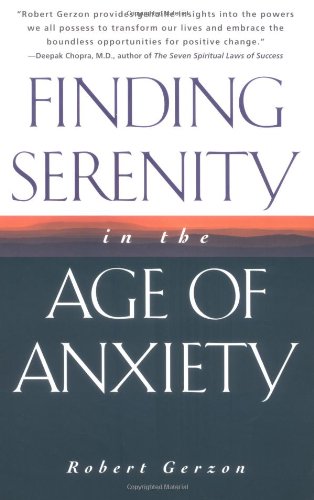







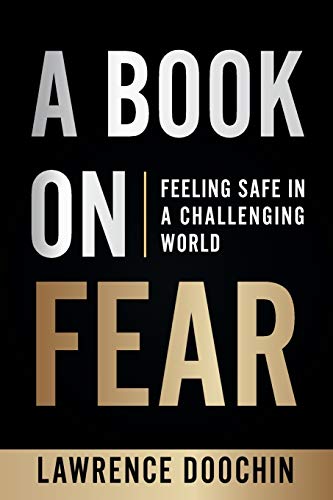









In today's fast-paced, interconnected world, anxiety has become almost a default state of consciousness for millions of people. The constant barrage of information, the pressure to maintain multiple roles and identities, the threat of global crises, and the relentless pace of technological change create a perfect storm of stress that leaves many feeling perpetually overwhelmed. Yet beneath this turbulent surface lies a profound truth: serenity is not merely possible in our modern age—it is essential, and more importantly, it is achievable.
This transformative guide explores the deep roots of contemporary anxiety and offers readers a comprehensive pathway toward genuine inner peace. Rather than suggesting that we simply "think positive" or temporarily escape our troubles, this work delves into the fundamental causes of our restlessness and provides practical, spiritually grounded solutions for cultivating lasting tranquility.
The exploration begins by examining how the structure of modern life actively produces anxiety. The book illuminates how our cultural values—including the relentless pursuit of success, the comparison trap enabled by social media, the fragmentation of community, and the disconnection from nature and deeper meaning—combine to create a psychological environment almost guaranteed to generate stress. Readers will gain crucial insight into understanding that their anxiety is not simply a personal failing but rather a rational response to genuinely anxiety-producing conditions. This reframing alone can be profoundly liberating, moving individuals from self-blame toward genuine understanding and compassion for themselves.
However, the journey doesn't stop at diagnosis. The heart of this work focuses on cultivating what might be called "active serenity"—a state of inner peace that doesn't require withdrawing from the world but rather engaging with it from a place of greater awareness and wisdom. Readers will discover how to develop what the author identifies as essential capacities for modern living: the ability to quiet the mind amid chaos, to distinguish between genuine threats and imagined catastrophes, to maintain perspective when engulfed in overwhelming information, and to access deeper sources of meaning and purpose that transcend surface-level achievements.
The practical tools and perspectives offered throughout these pages draw from multiple wisdom traditions and psychological approaches. Readers will encounter contemplative practices designed to calm an overactive nervous system, cognitive strategies for working with anxious thoughts, and approaches for reconnecting with what truly matters in life. These aren't presented as rigid dogmas but as possibilities to explore and adapt to individual circumstances and temperament.
One of the most valuable aspects of this work is its integration of personal growth with social consciousness. The book acknowledges that individual anxiety often has roots in legitimate concerns about the state of the world—economic instability, environmental degradation, social injustice, and polarization. Rather than dismissing these concerns or suggesting that inner peace requires ignoring outer realities, the work shows how developing genuine serenity actually increases our capacity to engage constructively with global challenges. When we're less reactive and less driven by fear, we're actually better equipped to contribute meaningfully to positive change.
Throughout these pages, readers will find themselves reflecting on fundamental questions: What do I truly value? What am I actually afraid of? Where have I outsourced my sense of peace and security? What would it feel like to trust myself and life more deeply? These questions, though sometimes uncomfortable to sit with, open doorways to authentic transformation.
This work ultimately invites readers into a new relationship with anxiety and with life itself. It suggests that serenity is not a luxury reserved for monks in monasteries but a birthright available to engaged, conscious people navigating the complexities of contemporary existence. By understanding the roots of our unease and implementing specific practices and perspectives, readers can move from merely surviving the modern age to genuinely thriving within it, discovering that profound peace and meaningful engagement are not opposing forces but natural partners on the path toward a fully lived life.