













Discover how the systems we trust to measure progress are fundamentally flawed, and how this blindness affects every aspect of your personal and collective existence. This groundbreaking exploration reveals the invisible architecture of economic measurement that shapes policy, determines value, and ultimately influences the trajectory of human civilization.
At its core, this work challenges one of the most pervasive illusions of our time: the belief that Gross Domestic Product and conventional economic indicators accurately reflect wealth, progress, and societal health. What if the metrics we rely upon to guide our most important decisions are missing the vast majority of what actually matters? What if countless contributions to human wellbeing are systematically erased from our understanding of value? These are not abstract philosophical questions. They are deeply personal inquiries that directly impact how you live, what you prioritize, and whether you can trust the information shaping your world.
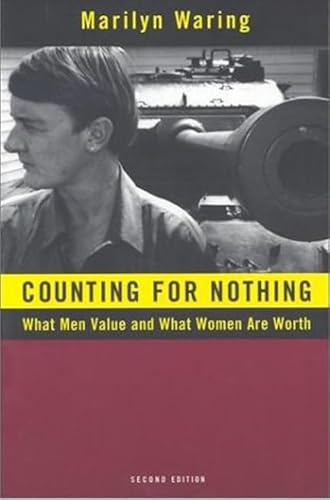
The exploration begins by examining how national accounting systems came into being and whose interests they serve. By tracing the history of economic measurement, readers encounter a sobering realization: our current systems were designed decades ago by men operating within specific cultural and political contexts, and they have never been fundamentally reimagined to reflect contemporary values or comprehensive understanding. These calculations exclude entire categories of human activity and natural resources, rendering them economically invisible. In doing so, the systems we use to make decisions about healthcare, education, environment, and social policy operate from an incomplete and distorted picture of reality.
The work meticulously documents what falls through the cracks of conventional economic accounting. Unpaid domestic labor, child rearing, volunteer work, community building, spiritual practice, cultural transmission, and care for the vulnerable and elderly are deemed worthless by GDP metrics, even though they form the foundation of healthy societies and thriving individuals. Meanwhile, activities that destroy ecosystems, deplete resources, and generate suffering are counted as economic gains simply because money changes hands. This inversion of values at the systemic level creates profound psychological and spiritual dissonance that many sense but cannot name.
Beyond documenting what is missing, this examination explores the profound consequences of these omissions. When unpaid care work is invisible in economic terms, women's contributions remain undervalued. When environmental destruction generates economic growth, we collectively march toward ecological collapse while celebrating progress. When spiritual development and community connection have no monetary value, we are culturally conditioned to dismiss their importance. The personal and planetary implications become clear: we have organized our entire civilization around measuring the wrong things.
Perhaps most importantly, this work does not merely critique; it opens possibilities for transformation. Understanding how value systems become encoded in measurement methodologies is the first step toward reimagining them. Readers gain tools for seeing through the illusions embedded in official statistics and economic reports. You develop capacity to question what you are told constitutes progress and to recognize the hidden costs of conventional development. This shift in awareness is genuinely empowering because it enables you to make more conscious choices about where you place your energy, attention, and resources.
For those engaged in personal growth and spiritual development, this exploration proves particularly revelatory. It addresses why personal transformation and spiritual practice often feel at odds with economic survival, and why choosing meaningful work aligned with your values can appear financially irresponsible within our current systems. By understanding the structural nature of this contradiction, you recognize it as a feature of flawed accounting rather than a personal failing. This reframe itself becomes liberating.
This work ultimately invites you to participate in reimagining how we measure what matters. By recognizing the limitations and biases in dominant systems, you become capable of creating alternative metrics for your own life and contributing to broader cultural shifts in how we define wealth, success, and progress. It is a call to personal and collective awakening, grounded in rigorous analysis and practical wisdom.