















# A Clear-Eyed Path Through the Spiritual Marketplace
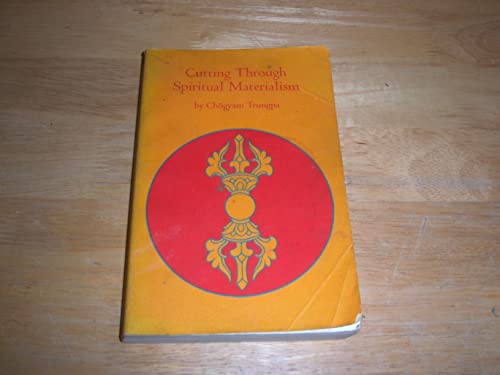
On the genuine spiritual journey, we encounter a deceptive counterpart that masquerades as authentic practice: the tendency to collect spiritual experiences, teachings, and credentials like material possessions. This subtle trap ensnares countless seekers who earnestly pursue transformation, only to accumulate spiritual attainments without ever touching the heart of genuine awakening. Understanding this pitfall becomes essential for anyone serious about personal growth and authentic spiritual development.
The concept at the heart of this exploration reveals how our habitual patterns of seeking comfort and validation operate even within spiritual contexts. Just as we might accumulate wealth, status symbols, or possessions to enhance our ego's sense of importance, we can do the same with spiritual practices, exotic teachings, meditation experiences, and enlightened identities. We might proudly announce our involvement in advanced retreats, collect teachings from numerous traditions, adopt impressive spiritual vocabularies, or build elaborate personal mythologies around our spiritual journeys. In doing so, we miss the entire point of genuine practice.
This work serves as a mirror held up to contemporary spiritual culture, reflecting how the commodification of spirituality can undermine its transformative potential. The marketplace of spiritual ideas and practices offers endless possibilities for consumption. Practitioners can now order meditation supplies, download apps for mindfulness, attend weekend workshops with celebrity teachers, purchase expensive retreats at exotic locations, and accumulate credentials in various modalities. While these offerings aren't inherently problematic, the attitude with which we approach them determines whether they serve liberation or ego-inflation.
Readers will discover how spiritual materialism operates on multiple levels. It appears in obvious forms, such as using spiritual involvement to impress others or establish superiority over those who practice differently. But it manifests more subtly too. We might practice meditation to achieve a sense of peace that becomes another possession to cling to. We might engage in service work while secretly tracking how virtuous we've become. We might study Buddhist philosophy or tantric practices specifically to accumulate exotic knowledge that distinguishes us as serious practitioners. Each of these represents a fundamental misunderstanding of the spiritual path.
The significance of this teaching cannot be overstated. Many sincere seekers spend years, even decades, on what they believe is a spiritual path, only to discover that they've been reinforcing their fundamental patterns of ego-seeking rather than transcending them. They've simply created a more sophisticated version of the same self-centered concerns they sought to escape. The teachings presented here offer a way to recognize and interrupt these patterns before years pass in misdirected effort.
What makes this exploration particularly valuable is its unflinching honesty. Rather than offering consoling platitudes or flattering affirmations about everyone's spiritual progress, it asks difficult questions about motivations, authenticity, and genuine commitment. Are we practicing to become someone special, or to see through the illusion of a separate self needing protection and enhancement? Are we seeking experiences to have something interesting to report, or are we genuinely interested in understanding the nature of mind and reality? Are we using spiritual practice to escape the ordinary world, or to engage with it more fully and compassionately?
For readers navigating the contemporary landscape of spiritual options, this perspective provides essential discernment. It helps distinguish between genuine teachings and those designed primarily to appeal to ego's hunger for novelty and specialness. It encourages practitioners to examine their relationship with spiritual community, teachers, and practices. Most importantly, it points toward a simpler, more direct approach to awakening that doesn't require accumulating anything at all.
The path forward involves recognizing our habitual patterns with compassion while simultaneously refusing to accept them as inevitable. Genuine spiritual development emerges not from collecting more spiritual possessions or experiences, but from fundamentally questioning our assumptions about who we are and what we're seeking. This clarity becomes the foundation for authentic transformation.
Read more ▼