











# Understanding America's Jewish Festival of Lights: A Journey Through Cultural Identity and Spiritual Transformation
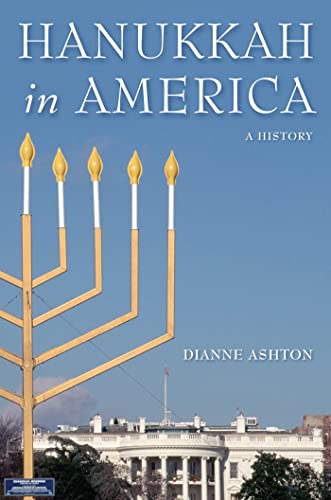
The eight-day Festival of Lights holds profound significance for millions of people around the world, yet its place in American culture remains far less understood than many assume. This comprehensive historical exploration traces how a Jewish holiday evolved from a minor observance into a major cultural phenomenon that transformed both Jewish identity and American society itself.
Discovering how holidays become integrated into American life offers fascinating insights into the broader questions of cultural belonging, religious freedom, and the perpetual challenge of maintaining traditions while adapting to new environments. The story of this particular holiday in America spans nearly two centuries and reveals much about what it means to build community, preserve heritage, and find one's place within a diverse nation.
For readers interested in personal empowerment and spiritual growth, understanding this history provides valuable lessons about resilience, cultural pride, and the creative ways communities maintain meaning across generations. The narrative demonstrates how individuals and families navigate the tension between honoring ancestral traditions and embracing contemporary culture—a challenge that extends far beyond any single religious community.
The exploration begins in the early nineteenth century, when Jewish immigrants arrived in America with minimal resources and even less recognition. During these formative years, the holiday was observed privately, within homes and small synagogues, with little public visibility or broader cultural acknowledgment. What emerges from this historical account is a compelling story of how minority communities gradually carved out space for their spiritual practices within the wider American landscape.
As the Jewish population grew and became more established throughout the nineteenth and twentieth centuries, the holiday underwent remarkable transformations. Readers will discover how economic prosperity, changing immigration patterns, and shifting attitudes toward religious pluralism all influenced how this ancient commemoration was observed and celebrated. The narrative reveals the creative adaptations made by American Jews who sought to honor their traditions while remaining fully engaged citizens of their adopted nation.
One particularly enlightening aspect of this historical journey involves the commercial and secular dimensions that emerged over time. The holiday's increasing visibility in American popular culture, department stores, and public spaces raises important questions about authenticity, commercialization, and cultural ownership. Rather than viewing these developments as corruptions of tradition, this account presents them as inevitable and often ingenious responses to changing circumstances. Understanding this complexity helps readers appreciate how living traditions evolve without losing their essential spiritual meaning.
The book also illuminates how Jewish Americans used this holiday as a vehicle for asserting their religious freedom and claiming legitimate space within American pluralism. By celebrating publicly and inviting non-Jewish participation and understanding, the community demonstrated that religious diversity strengthened rather than weakened American democracy. This aspect of the narrative carries particular relevance for contemporary readers grappling with questions about religious tolerance, cultural respect, and social cohesion.
For those seeking personal empowerment through understanding diverse perspectives, this historical account provides illuminating examples of how minority communities build pride and resilience. The strategies employed by earlier generations—maintaining cultural memory, adapting traditions creatively, and building bridges across religious boundaries—offer practical wisdom for anyone navigating multiple identities or seeking to preserve meaningful practices within a rapidly changing world.
The broader significance of this historical work lies in its demonstration that American identity itself has always been a work in progress. Rather than a static set of values and practices imposed from above, American culture represents the ongoing negotiation between established traditions and immigrant innovations. This dynamic process creates space for spiritual growth, community building, and the development of richer, more inclusive definitions of what it means to be American.
Reading this comprehensive history empowers readers to recognize their own role in shaping cultural narratives and maintaining traditions that matter to them and their communities.