








# Understanding Humanity's Most Pivotal Conflicts: A Comprehensive Journey Through War and History
Warfare has shaped the destiny of nations, transformed societies, and fundamentally altered the course of human civilization. Whether we acknowledge it or not, the conflicts that have unfolded across millennia have directly influenced the political structures, cultural values, and social systems we inhabit today. For those genuinely committed to personal growth and social consciousness, understanding the forces that have molded our world becomes not merely an academic exercise but a pathway to deeper wisdom about the human condition.
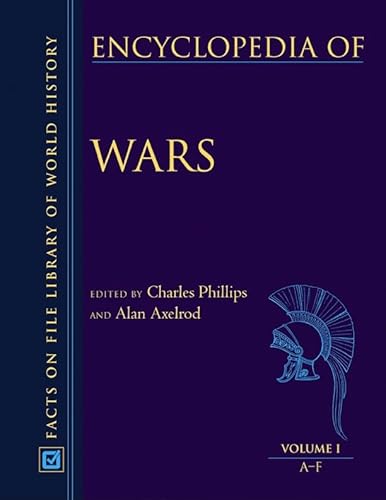
This comprehensive reference work presents a meticulously researched examination of military conflicts spanning from ancient times through the early twenty-first century. Readers will encounter an expansive catalog of wars, rebellions, revolutions, and armed interventions that have defined different eras and geographical regions. What makes this resource particularly valuable is its commitment to providing not just dates and names, but genuine context and understanding about why these conflicts erupted, what they accomplished, and how they reshaped the political landscape of their times.
The scope of coverage is genuinely impressive. From the earliest recorded conflicts in ancient Mesopotamia and Egypt, through the classical wars of Greece and Rome, medieval crusades, Renaissance power struggles, and modern industrial warfare, readers gain a longitudinal perspective on how humanity has engaged in organized conflict. The work extends to colonial conflicts, revolutionary wars, world wars, and contemporary regional disputes. This historical sweep allows readers to recognize patterns, understand cause and effect relationships, and appreciate the complexity of how nations form their identities and relationships with one another.
For individuals interested in understanding political systems and democracy, this resource illuminates how many of today's political structures emerged from conflict and resolution. Wars of independence, civil conflicts over governance, revolutions against oppressive systems, and struggles for democratic representation are all examined within their proper historical context. Readers gain insight into how nations broke away from imperial rule, how people fought for self-determination, and how ideological differences have sparked armed confrontation.
The significance of this knowledge extends beyond historical curiosity. By understanding how wars begin, how they escalate, and what their consequences have been, readers develop a more nuanced perspective on current global tensions and political conflicts. History reveals that many contemporary disputes have deep roots, involving territorial claims, cultural identity, religious differences, resource competition, and ideological clashes that often stretch back generations. This understanding fosters the kind of informed consciousness that enables us to think more critically about current events and political rhetoric.
Moreover, examining humanity's military history encourages reflection on the nature of conflict itself. Readers confront difficult questions about when warfare might be justified, what its true costs are beyond battlefield casualties, and how societies recover and rebuild after devastation. Such reflection naturally leads to deeper consideration of alternatives to military solutions, the value of diplomacy, and the human capacity for both destruction and reconciliation.
The political dimension of this resource cannot be overstated. Throughout history, leaders have invoked war to consolidate power, expand territory, or rally populations around nationalist causes. Understanding these patterns helps contemporary citizens become more discerning consumers of political messaging. When leaders frame conflicts in particular ways or justify military action through specific narratives, informed citizens who understand historical precedent can evaluate claims more critically.
This comprehensive examination ultimately serves those seeking genuine social consciousness by providing the factual foundation necessary for meaningful engagement with global affairs. True transformation in how we think about politics and democracy requires understanding how our current world took shape. By exploring the conflicts that forged nations, challenged empires, and shifted power balances, readers access knowledge that empowers more enlightened citizenship and deeper wisdom about the ongoing human struggle to create just societies and peaceful coexistence.