












Happiness & Success
Achieving Happiness Through Acceptance of Life
The quest for happiness often leads to frustration, as many fail to realize that the...

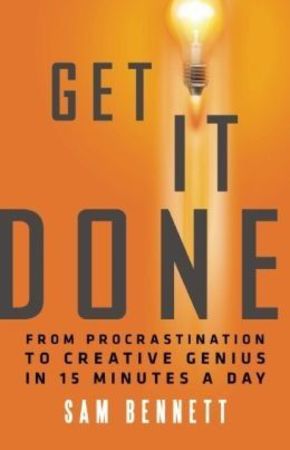
Creative dreams and ambitious projects often remain trapped in our minds, victims of procrastination, perfectionism, and the overwhelming nature of modern life. This transformative guide offers a refreshing approach to breaking through the internal resistance that keeps goals perpetually out of reach. Rather than adding more pressure or complicated productivity systems, it introduces a gentler, more compassionate method for finally bringing ideas to life.
At the heart of this approach lies a fundamental understanding: the problem isn't laziness or lack of discipline. Instead, most people struggle with completion because they're overwhelmed by the enormity of their visions, paralyzed by perfectionism, or simply exhausted by trying to do everything at once. The solution presented here doesn't demand superhuman effort or radical lifestyle overhaul. Instead, it advocates for small, manageable steps taken consistently over time, combined with a crucial shift in mindset about what productivity actually means.
One of the most powerful concepts explored is the idea of committing just fifteen minutes daily to a cherished project. This seemingly modest investment of time bypasses the internal resistance that larger time commitments trigger. By removing the pressure to complete everything immediately, this approach creates sustainable momentum. Fifteen minutes proves long enough to make meaningful progress, yet short enough that even the busiest schedule can accommodate it. This strategy particularly benefits those who have convinced themselves they need large blocks of uninterrupted time before they can begin.
Read more ▼
Thom Hartmann, Michael Popkin
Paul Pearsall
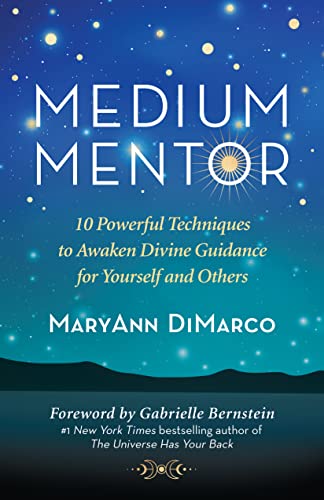
MaryAnn DiMarco
The quest for happiness often leads to frustration, as many fail to realize that the...

Reaching sixty can evoke complex emotions, blending relief with ongoing ambition. This...

The quest for life's purpose often leads to unsatisfactory answers. This article...

Romantic love is a complex emotion shaped by historical, cultural, and biological...

Imagine going through one of the most physically and emotionally demanding experiences...

Have you ever argued over something that wasn't actually said? From cultural differences...

Daily actions often conflict with personal beliefs due to past experiences. By utilizing...

Therapists often use dream interpretation to delve into patients' emotions, but true...