









Happiness & Success
Achieving Happiness Through Acceptance of Life
The quest for happiness often leads to frustration, as many fail to realize that the...

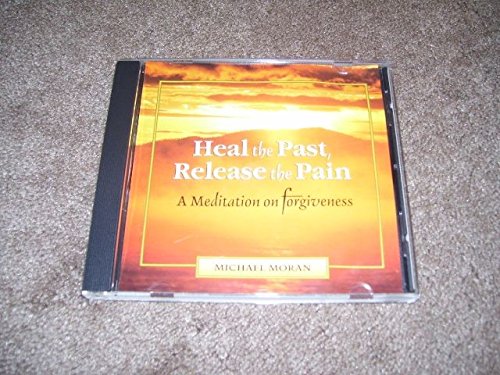
# Transforming Old Wounds Into Wisdom and Freedom
Within each of us lies a collection of past experiences that shape how we see ourselves and interact with the world. Some of these experiences leave invisible marks—emotional wounds that continue to influence our decisions, relationships, and sense of well-being long after the events themselves have passed. Whether stemming from childhood disappointments, relationship betrayals, loss, or simply the accumulated small hurts of living, these unhealed experiences create patterns of pain that can feel automatic and inevitable. The path forward requires more than acknowledgment of these wounds; it demands a systematic approach to understanding them, releasing their hold on us, and reclaiming our authentic power.
This exploration into healing old emotional and psychological wounds offers readers a compassionate yet practical roadmap for transformation. The core premise is straightforward yet revolutionary: we have the capacity to release ourselves from patterns of suffering that have become so familiar they feel like permanent parts of our identity. Many people spend their entire lives unconsciously replaying old wounds, allowing past pain to dictate present circumstances. This resource illuminates how to break that cycle.
Read more ▼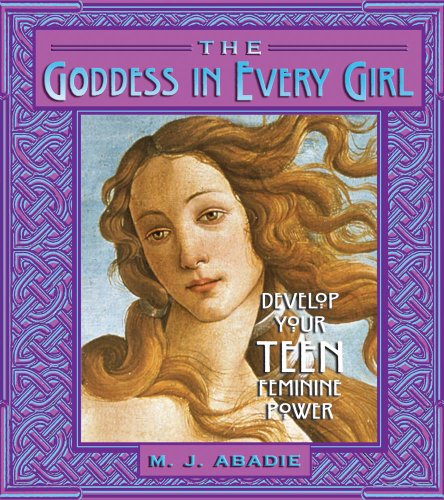
M. J. Abadie
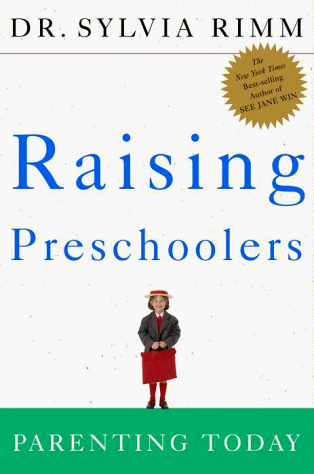
Sylvia B. Rimm
Robert Moss
Barry Vissell
The quest for happiness often leads to frustration, as many fail to realize that the...

Reaching sixty can evoke complex emotions, blending relief with ongoing ambition. This...

The quest for life's purpose often leads to unsatisfactory answers. This article...

Imagine going through one of the most physically and emotionally demanding experiences...

Romantic love is a complex emotion shaped by historical, cultural, and biological...

Daily actions often conflict with personal beliefs due to past experiences. By utilizing...

Have you ever argued over something that wasn't actually said? From cultural differences...

Therapists often use dream interpretation to delve into patients' emotions, but true...